The key facts
- Kuwait and Bahrain said they repelled Iranian drone attacks — the first in more than two months of calm
- The Iranian army named the Ali Al Salem base, which hosts US forces, as the target; Kuwait reported no damage
- The strike followed a US Air Force attack on a missile launch site on Qeshm Island in the Strait of Hormuz
Attacks after a two-month lull
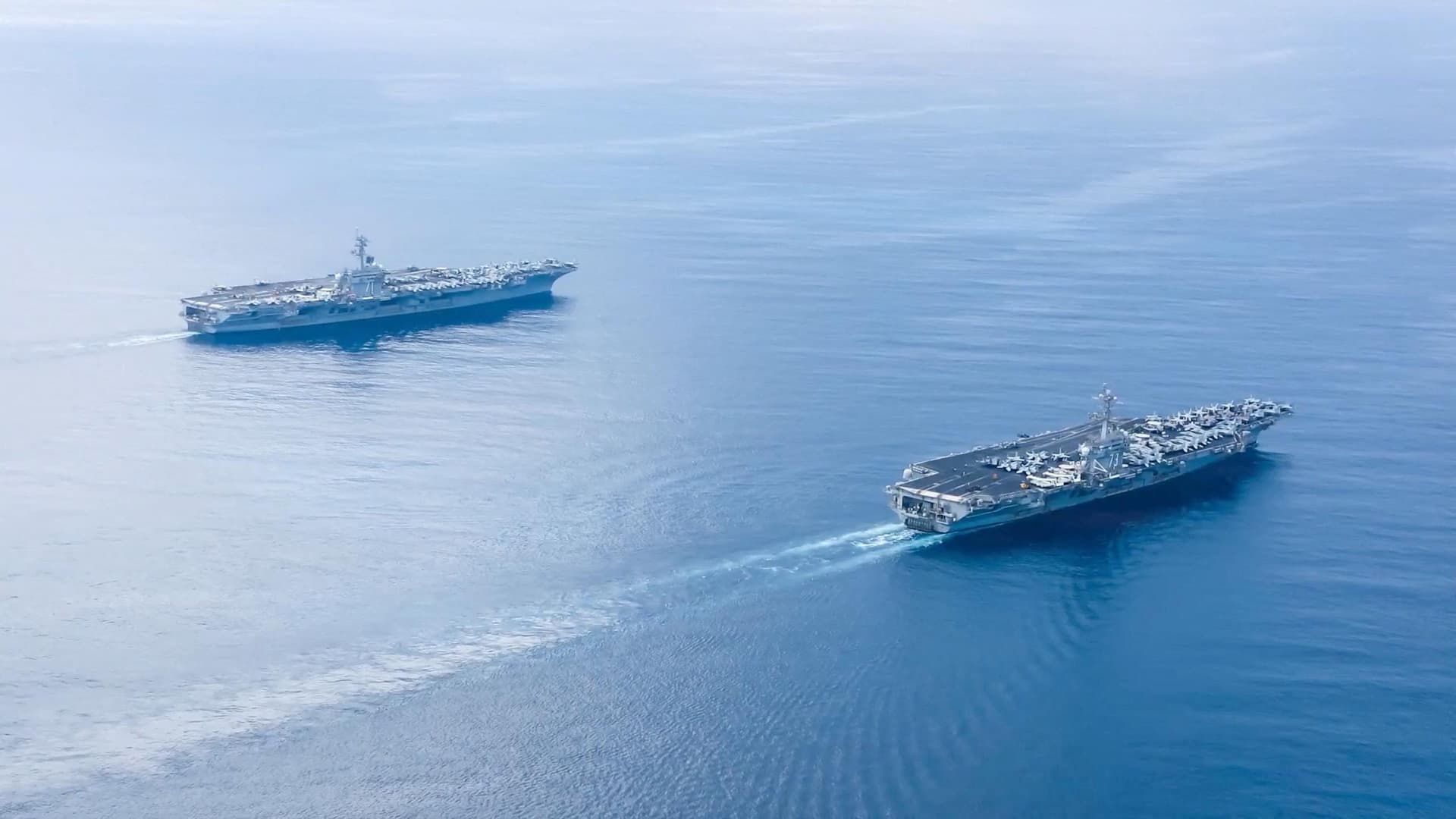
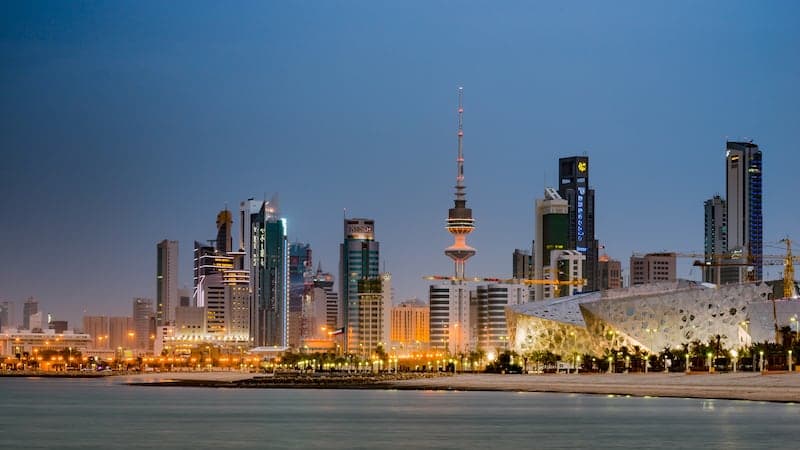
Kuwait and Bahrain reported that overnight into Wednesday they repelled Iranian air attacks amid growing confrontation between Iran and the United States. The drone attack on Kuwait was the first in more than two months: the Iranian army said its target was the Ali Al Salem airbase, which hosts American forces, but Kuwaiti authorities reported no damage. This was reported by BBC News.
Kuwait's and Bahrain's reaction
Kuwait's military command said air defenses engaged 'drone threats', with no casualties or damage recorded. The country's Foreign Ministry condemned the attack, calling it 'a gross violation of Kuwait's sovereignty', a direct threat to its security and a serious breach of international law. Kuwaiti resident Hani Mohammed, an Egyptian, told AFP that the explosions, heard again after a period of calm, 'surprised and alarmed' him. Bahrain, which hosts the US Fifth Fleet, reported intercepting 'several Iranian air attacks' — already the fourth attack in the past six days after a two-month pause.
The US strike on Qeshm and words from the Iranian command
According to the US military, on Tuesday evening US fighter jets struck a missile launch site on Iran's Qeshm Island in the Strait of Hormuz with 'precision munitions', in response to 'aggression against American personnel and facilities'. Iranian media reported explosions on the island, citing a local official who said there was no damage to infrastructure. The Iranian army claims its drones attacked American Patriot air defense systems and drone and missile launch platforms at the Ali Al Salem base. Army commander Major General Amir Hatami warned that if the attacks are repeated, Iran will respond 'more devastatingly and without geographic limits'.
Tanker attack and the situation in the strait
The UAE state oil company ADNOC said that after an attack on one of its tankers on Tuesday in the Strait of Hormuz, a crew member is missing: the rest were evacuated, and 11 people are receiving medical care. The UKMTO center reported a hit by an unidentified projectile approximately 24 km north of Hasab on the Musandam Peninsula and a fire on board that was extinguished. Iran, for its part, said two oil tankers and an LNG vessel caught fire after hitting sea mines while traveling along an 'approved route'.
Context of the nine-month war
The conflict began in late February with a US and Israeli attack on Iran. Since then, Iran has retaliated with strikes on Israel and the Arab monarchies of the Persian Gulf, where American military facilities are located, and has also attacked dozens of commercial vessels in the Strait of Hormuz, through which about a fifth of the world's oil and gas supplies normally pass. A preliminary agreement to end the conflict and reopen the strait, reached in June, fell apart within weeks after attacks on shipping resumed and the American blockade was reinstated. According to analysts cited by the BBC, US military protection has kept oil exports from the Gulf states at around 80% of pre-war levels. Qatar, the mediator in the stalled indirect talks, called Iran's attacks on its neighbors 'a dangerous escalation' that threatens to complicate efforts to contain tensions.
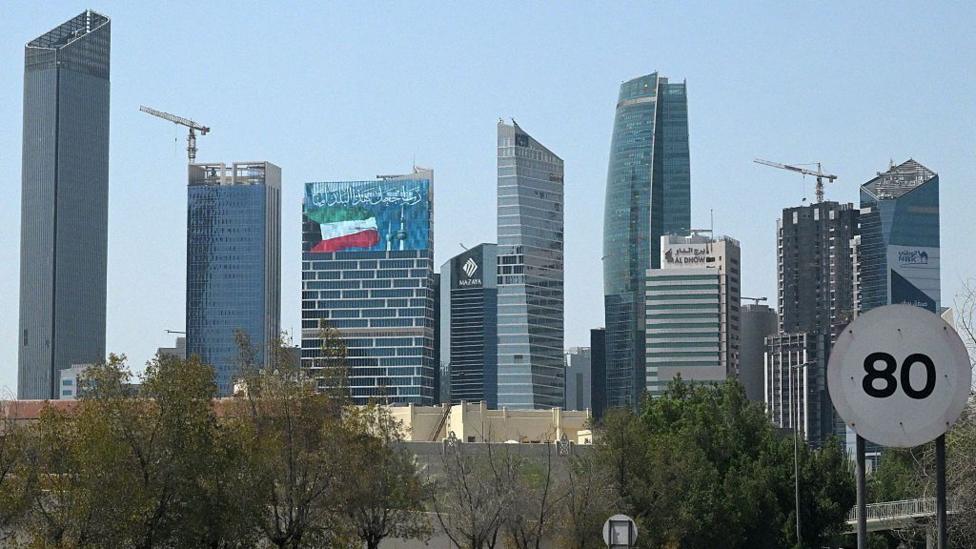 Image source, Getty Images
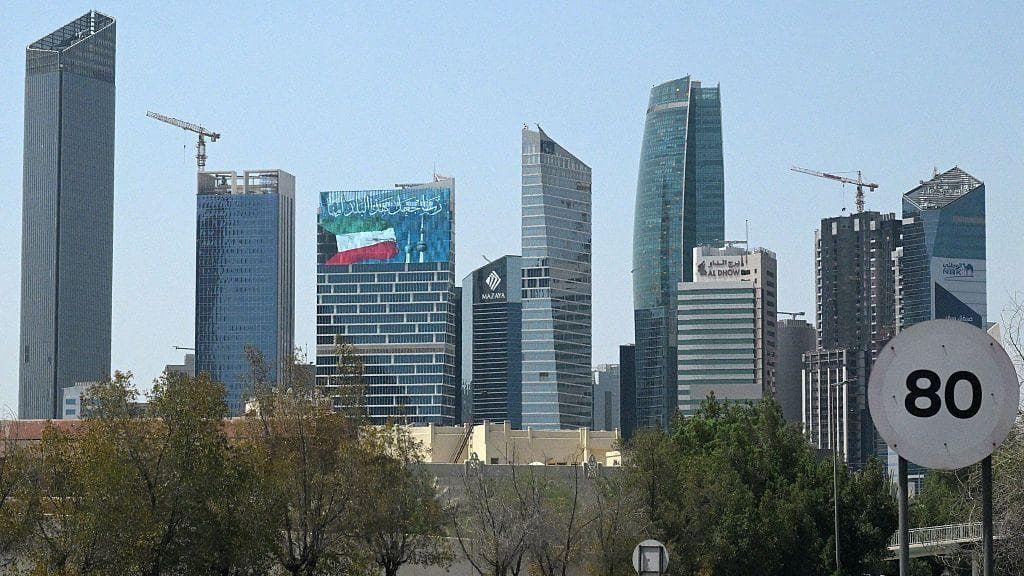
Kuwait condemned the attack, which Iran said targeted an airbase hosting US forces (file photo)