The key facts
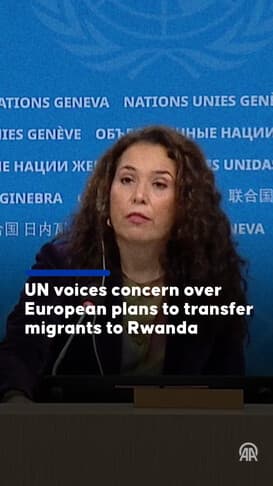
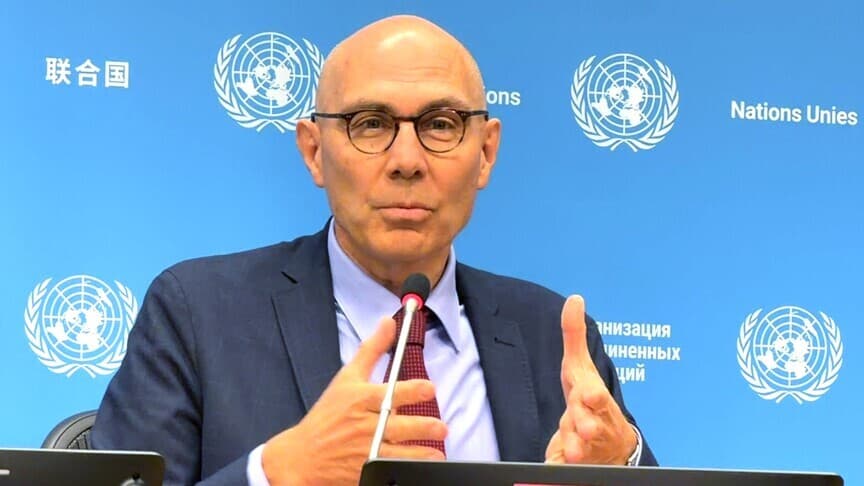
- UN High Commissioner for Human Rights Volker Türk criticized the plan of five European countries to create a readmission hub in Rwanda.
- The UN calls for addressing the root causes of migration, including inequality and conflicts, rather than moving migrants to remote countries.
- The planned launch of transfers to Rwanda is scheduled for 2027, but the UN insists on expanding legal migration pathways.
Criticism of plans to create a hub in Rwanda
UN High Commissioner for Human Rights Volker Türk stated that moving migrants to remote countries cannot solve global migration challenges. His statement followed the announcement by five European states — Austria, Denmark, Germany, Greece and the Netherlands — of plans to create a readmission center in Rwanda with transfers beginning by 2027. Türk emphasized that the solution does not lie in costly one-off measures to find remote countries for managing individual aspects of migration or in moving human rights obligations outside their jurisdiction.
Call to address root causes
Instead of external solutions, the UN official called for the development of comprehensive policies aimed at eliminating the factors that force people to leave their homes. Among these, he named human rights violations, global inequality, the international economic and financial system that disadvantages developing countries, as well as armed conflicts and geopolitical tensions. Türk pointed to the need to increase investments to create opportunities in countries of origin.
Economic context and legal pathways
The High Commissioner also drew attention to demographic changes in developed countries, noting population aging and labor shortages. He stressed the need to expand legal migration channels and to recognize the contribution of migrants to Europe's economy. These remarks came against the backdrop of the European countries' announcement of their intention to begin transfers to Rwanda, which drew criticism from the UN human rights body for its focus on individual aspects of migration management.