The key facts
- The summit of Xi Jinping, Putin and Trump will take place in China on Thursday; Kim Jong Un's participation is possible
- Topics: reducing nuclear arsenals, Iran, trade, the war in Ukraine
- The US administration has said in advance that it does not expect agreements
A Meeting of Three Nuclear Powers
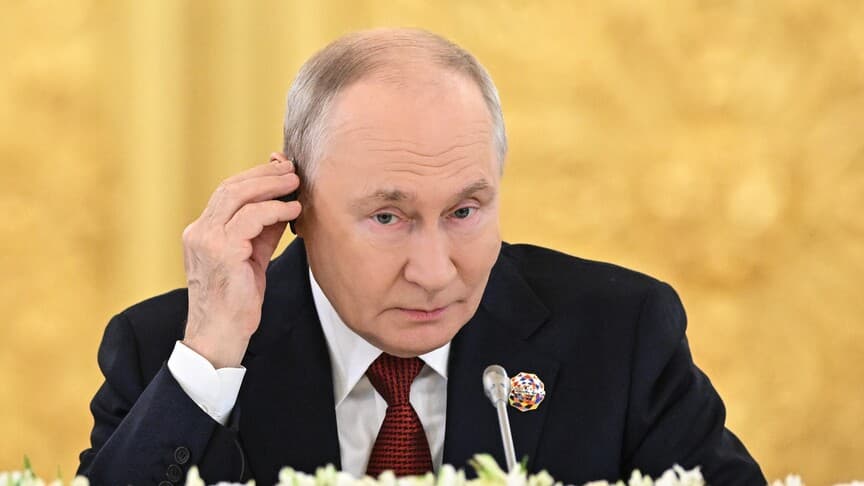
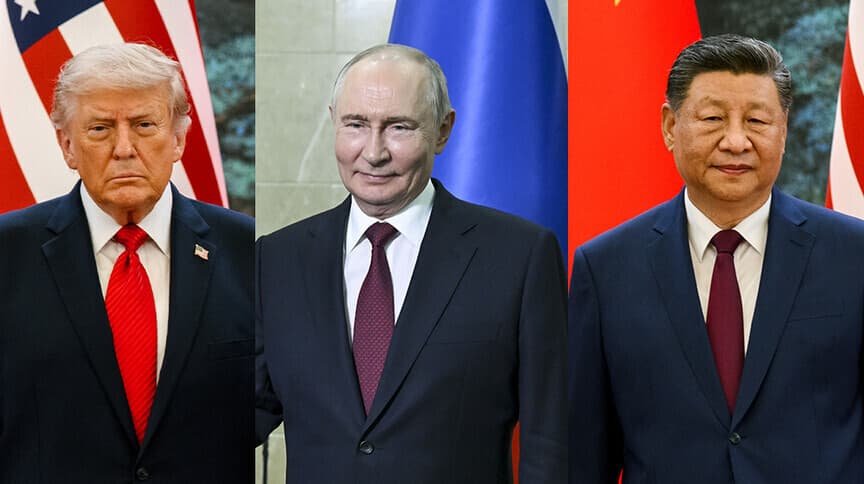
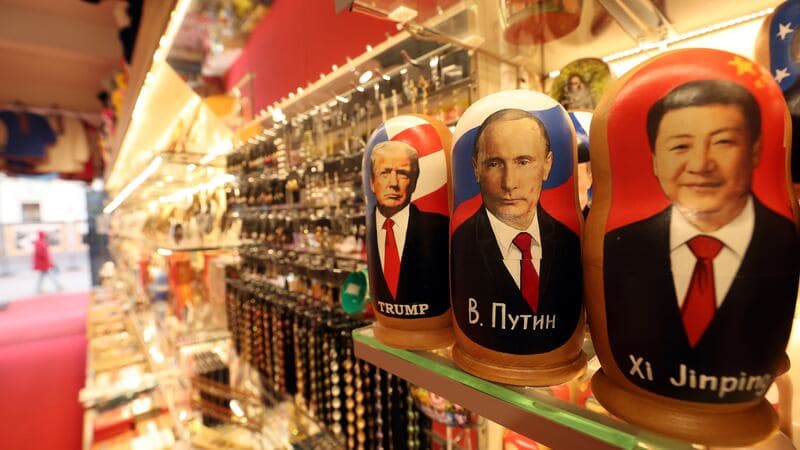
US President Donald Trump is heading to Asia this week, where the main event will be a summit on Thursday with PRC Chairman Xi Jinping and Russian President Vladimir Putin. The meeting will take place in China and will for the first time bring the leaders of the three largest nuclear powers to one table. 'We will meet with President Xi... we will also meet with President Putin, and we may also meet with Kim Jong Un,' Trump told reporters on Monday, adding that the North Korean leader's participation is 'a question for President Xi.'
Agenda and Expectations
The main topics of the summit are named as the reduction of nuclear arsenals and the war with Iran. 'We will be talking about denuclearization — a difficult topic, because it's hard for any of us to say that we will give up our nuclear weapons, right?' Trump noted. 'But we will be talking about denuclearization. We will talk about Iran.' At the same time, US administration officials said as early as Friday that they do not expect an agreement to be reached: according to a senior official, this is 'a starting point, a first conversation at the leaders' level' about how to reduce nuclear weapons. Analysts point out that the meeting gives China a chance to establish itself as a participant in the global nuclear agenda equal to the US and Russia, but Beijing has so far rejected such formats. 'China has consistently rejected the concept of a trilateral US-China-Russia dialogue on arms control and nuclear issues, citing its significantly smaller arsenal,' said China expert Yun Sun.
Itinerary and Other Topics
Before the summit, Trump will visit the Philippines: in Manila he will take part in a meeting of leaders of the 'Quadrilateral Dialogue,' sign a trade deal with Thailand, and speak at a special ASEAN summit. He will then arrive in Shenzhen for the APEC summit, where he will hold talks and a working lunch with Xi, after which Putin will join them. In addition to nuclear issues and Iran, the agenda includes trade and economics, as well as the war in Ukraine, which Trump called his 'favorite topic.' He said that Putin, in his view, recently 'backed down': 'I think he could be tougher... I think he's retreating. I think he would like to see the end' of the war. Last week, the US acted as a mediator in trilateral peace talks between Russia and Ukraine in the UAE; the conflict is already in its fifth year.
Context of the Trip
The trip gives Trump an opportunity to switch to foreign policy after the Republican Party's painful defeat in the midterm elections. The visit to China, however, may be accompanied by an awkward moment: last week Nvidia co-founder and head Jensen Huang resigned, admitting to a relationship with a woman suspected of ties to Chinese intelligence. Beijing called these accusations 'slander.' Huang, who accompanied Trump on his previous visit to China, was an influential figure in the administration's approach to technological rivalry with Beijing and advocated easing restrictions on the sale of advanced chips to China, having persuaded Trump to loosen part of the export controls.