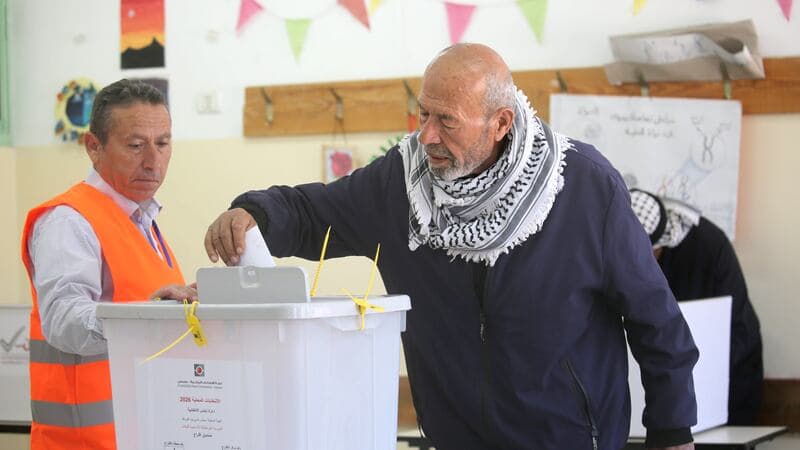
The key facts
- Nearly a third of West Bank residents blame Abbas, about 20% blame Israel
- Two thirds oppose postponing the elections, a third consider it necessary
- The elections were postponed from 28 November to September of next year; more than 45% of voters are younger than 35
Poll: Responsibility for Election Postponement Placed on PNA Leadership
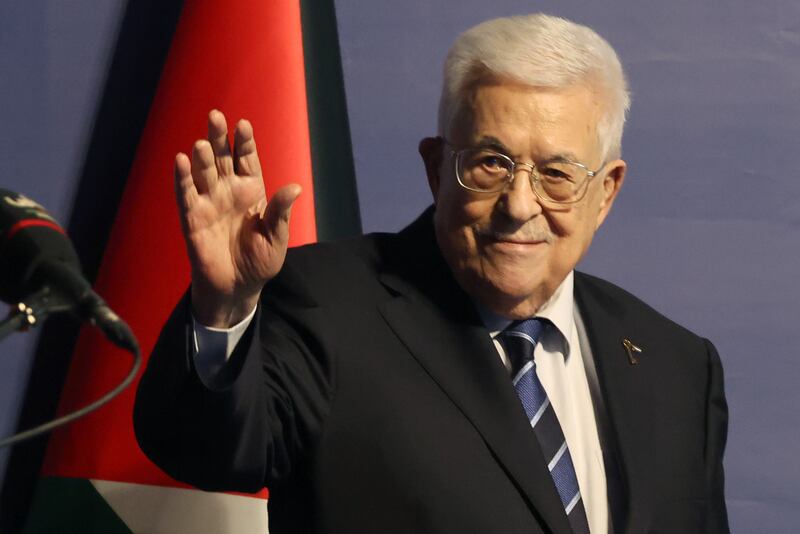
Most Palestinians surveyed in the occupied West Bank link the postponement of legislative elections to the actions of their own leadership rather than Israel. Nearly a third of respondents named President of the Palestinian Authority Mahmoud Abbas as responsible, and about one in five named Israel, said Obada Shtaya, co-founder of the Institute for Economic and Social Progress, presenting the poll data at an event held by the London-based think tank Chatham House.
Societal Divide and Youth Disillusionment
Two thirds of the West Bank population opposed the postponement, most often explaining that 'elections are a citizen's right.' At the same time, a third of respondents believe postponing the vote was necessary. Shtaya warned that the postponement led to an 'extremely high level of disillusionment': according to him, trust in the leadership and in any institutional mechanisms of change is declining, while elections remained one of the few instruments of self-expression for Palestinians.
Why the Elections Were Postponed
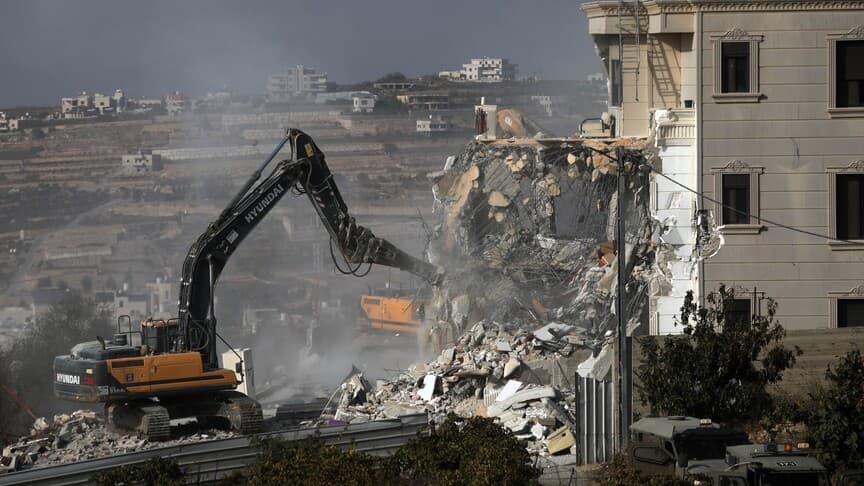
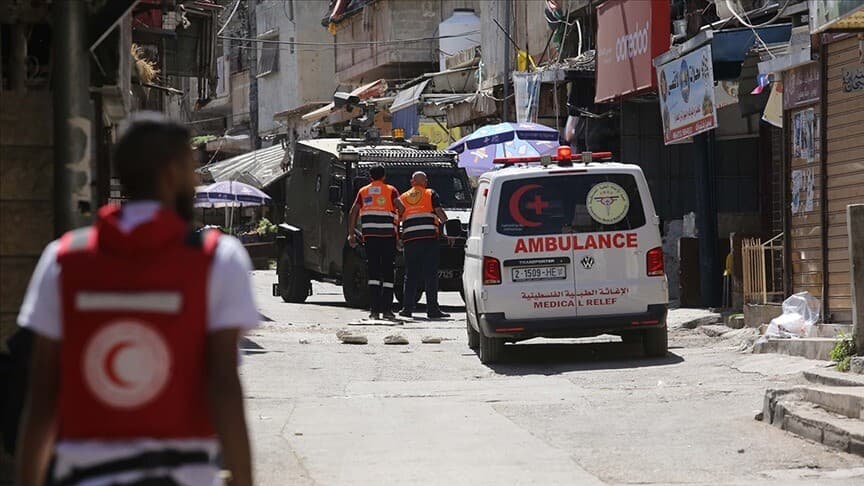
Abbas cancelled the elections scheduled for 28 November and rescheduled them for September of next year. He placed responsibility on Israel, saying that conditions in East Jerusalem, the West Bank and the Gaza Strip do not allow the vote to be held: Israel, according to him, did not permit the delivery of electoral materials and international observers into Gaza. Experts agree that settler violence in the West Bank and the humanitarian crisis in Gaza would have made holding elections difficult, but point to growing discontent among Palestinian youth with the political elite. Chatham House fellow Zizette Darkazalli noted that young people complain about the monopolization of politics by factions and the 'old guard': of the 2.9 million voters, more than 45% are people aged 18 to 35 who were too young to vote in the last elections in 2006.
Context: Frozen Political Process and the West's Reaction
The political process in Palestine has been effectively frozen since 2006, when Hamas won the elections in Gaza — a result the international community did not recognize, which led to a civil war between Hamas and Fatah. The previous legislative elections in 2021 were postponed by the PNA because of Israel's refusal to allow Arab residents of Jerusalem to vote. The postponement of the current vote drew condemnation from Western governments: the foreign ministers of the United Kingdom, Australia, Canada and France in a joint statement called on the PNA to reconsider the decision. The same day, British Foreign Secretary Ed Miliband announced a new package of sanctions against eight Israeli construction and development companies operating in the West Bank, as well as against the Israeli protest movement Tzav 9, which organizes actions against deliveries of humanitarian aid to Gaza. Ashraf Khatib, co-founder of the ROA Centre for Political and Strategic Studies, noted that grassroots mobilization pushed some governments, including the British one, to act against Israeli policy, but questioned whether this was enough.