The key facts
- On November 5, Israel's Ministry of Construction announced the schedule for tender No. 460/2025 for 2,167 housing units in E1, with bids accepted December 1–28; together with tender No. 186/2026 for 1,234 units, this totals 3,401 units.
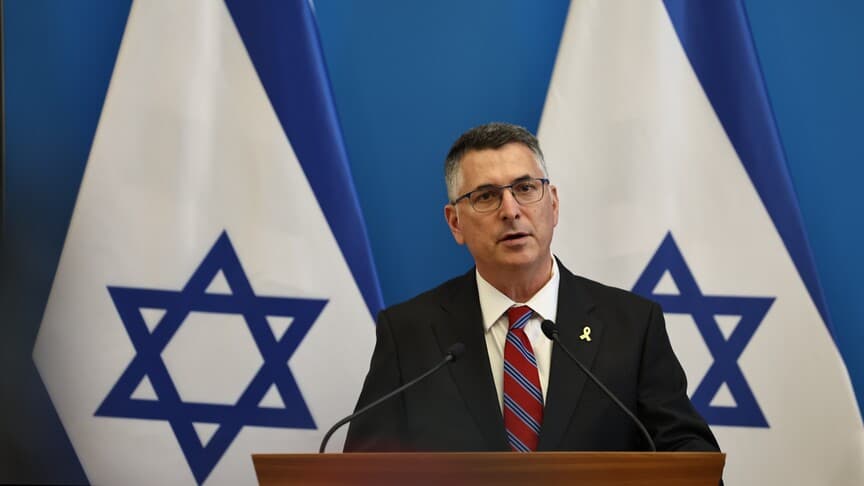
- Attorney General Gali Baharav-Miara postponed the review of bids for the first tender until November 19 to prevent electoral use; Finance Minister Bezalel Smotrich accused her of political bias.
- Denmark, with the support of European states, is seeking an emergency UN Security Council meeting on E1; the United Kingdom announced a ban on imports from Israeli settlements and sanctions against sponsors of their expansion.
What is happening with the E1 project
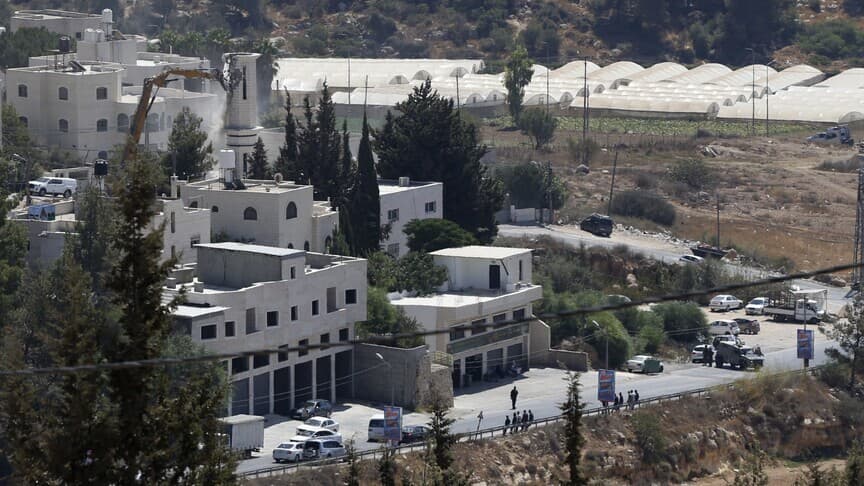
The E1 project, first proposed in 1994 under Prime Minister Yitzhak Rabin and then suspended for more than three decades, is being advanced again by the Israeli authorities. It covers about 12 sq. km between Maale Adumim and Pisgat Ze'ev, next to the Palestinian localities of Anata, al-Issawiya, az-Za'ayyem, al-Eizariya and Abu Dis, and provides for 3,401 housing units. According to Palestinian political-legal researcher Rayan Abed al-Razek, author of an opinion piece for Anadolu, the project threatens the two-state solution: it could divide the northern and southern parts of the West Bank, isolate Jerusalem and facilitate its annexation.
Tenders and internal disagreements
On September 11, 2025, Netanyahu, during a visit to Maale Adumim, signed a decision to advance E1, explicitly rejecting the creation of a Palestinian state. Ahead of the elections on October 27, 2026, the government announced tender No. 186/2026 for 1,234 housing units in the southern part of E1. Attorney General Gali Baharav-Miara postponed the review of bids until November 19 to prevent the tender from being used for electoral purposes; Finance Minister Bezalel Smotrich opposed this, accusing her of political bias in favor of opposition leader Gadi Eisenkot. After the elections, on November 5, 2026, the Ministry of Construction announced a revised schedule for tender No. 460/2025 for an additional 2,167 units, with bids accepted December 1–28.
International reaction and Eisenkot's position
Denmark, with the support of European states, is seeking an emergency meeting of the UN Security Council on E1 before the review of bids on November 19. A substantive Security Council resolution requires nine votes in favor and no veto from a permanent member — potentially the United States. The author recalls that UN Security Council Resolution 2334 (2016) demanded an immediate halt to settlement activity, and the advisory opinion of the International Court of Justice of July 19, 2024, declared Israel's continued presence in the occupied Palestinian territory unlawful. British Foreign Secretary Ed Miliband reaffirmed London's commitments to protecting the two-state solution and announced measures: a ban on imports from 'illegal Israeli settlements' and sanctions against entities financing their expansion.
Political context after the elections
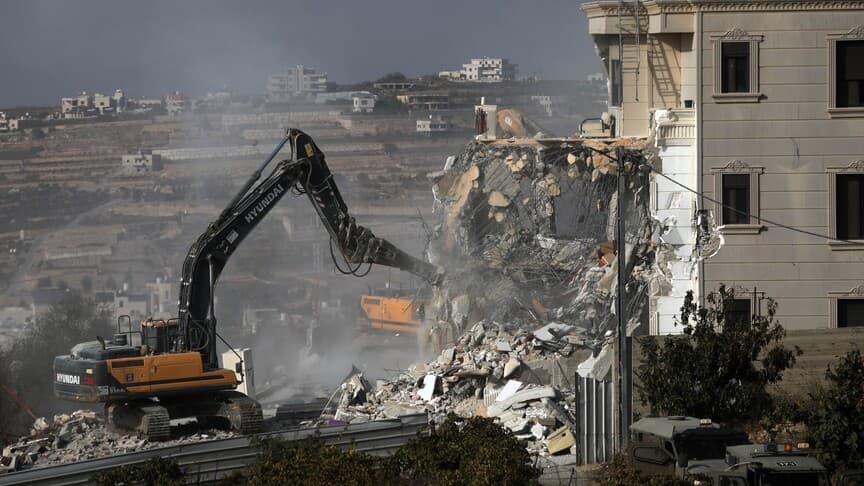
As a result of the October 27 elections, Netanyahu's Likud became the largest party but did not win a majority, and President Yitzhak Herzog tasked Eisenkot with forming a government. Eisenkot also rejects the two-state solution, calling its supporters, after October 7, 2023, 'delusional,' but considers the immediate implementation of E1 a serious mistake that damages Israel's international standing. In the author's assessment, his position reflects objections to the timing and diplomatic consequences of the project, not a principled rejection of settlements. Smotrich, for his part, stated: 'Jews are God's chosen people, and Judea and Samaria are their land, so international law does not apply to them.' The tenders were preceded by the demolition of Palestinian homes and the displacement of residents; the author links the advancement of E1 to Netanyahu's attempts to hold on to power amid corruption cases. This material is an opinion piece and does not necessarily reflect the editorial policy of Anadolu.