The key facts
- Sanctions against eight companies include asset freezes and director disqualifications
- The Tzav 9 group, which blocked aid convoys to Gaza, was sanctioned for the first time
- The announcement was made two days before the tender deadline for the E1 project
First package of measures after the 'reset' of approach
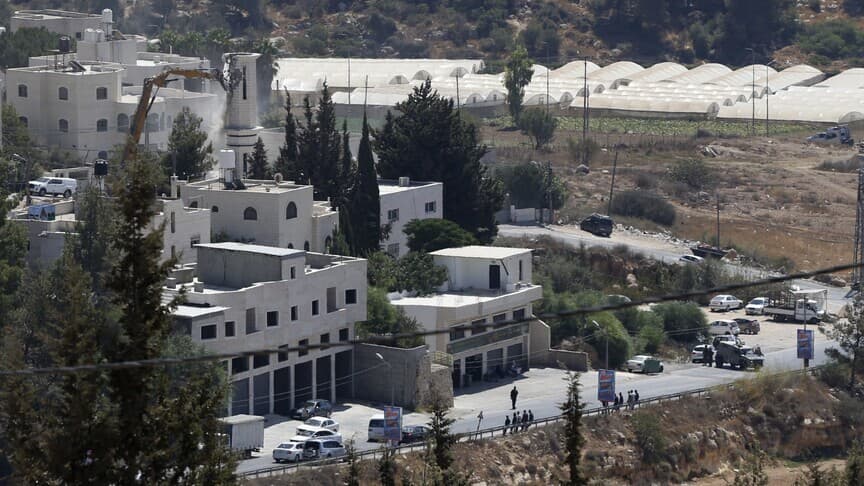
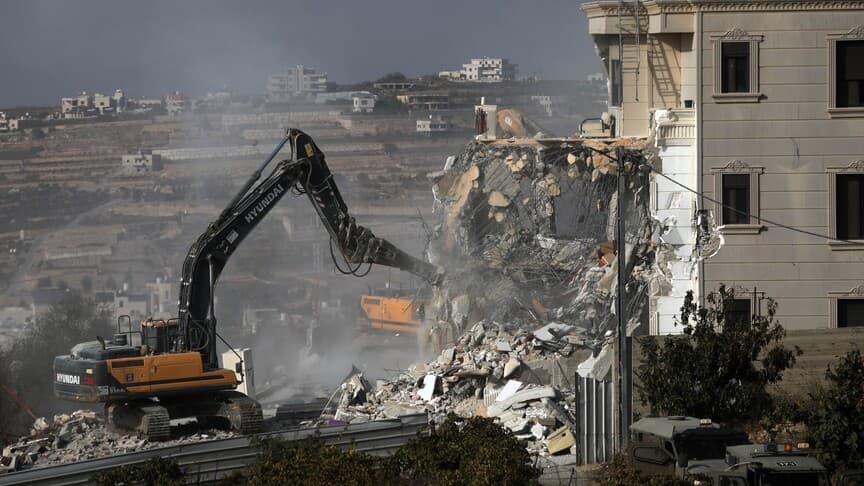
The government of the United Kingdom on 17 November imposed sanctions on eight construction and development companies involved in the expansion of Israeli settlements in the occupied West Bank, as well as on the Israeli group Tzav 9, which, according to London, organised blockades of humanitarian convoys heading to Gaza — including in October. This is the first sanctions package since September, when the government announced a 'reset' of its approach to Israel's actions in the West Bank and expanded the human rights sanctions regime, which made it possible to impose restrictions on companies and individuals involved in violations of international humanitarian law anywhere in the world.
Which companies were placed under restrictions
The measures include asset freezes and director disqualifications. Among the named companies are Har Hevron Development Company Ltd, Hemdat Shomron Ltd and SAG (Velvel) Construction and Development Ltd. According to the British Foreign Office, the sanctions are meant to disrupt the companies' financial flows and their ability to support further construction in the West Bank. The ministry justified the announcement by the 'accelerating expansion of settlements', which, in the ministry's wording, the Israeli government not only fails to curb but actively encourages.
Sanctions against Tzav 9
A separate measure was the imposition of restrictions on Tzav 9 — a group the British government accuses of systematically organising blockades that prevent the delivery of food, water and fuel to Gaza. According to Al Jazeera, which is cited by Zamon.uz, the decision was taken after the UK Foreign Office stated that, following the devastating floods in Gaza, thousands of families are in need of humanitarian assistance.
A signal over the E1 project
The announcement came on the eve of the deadline for submitting tender bids for the E1 project east of Jerusalem — by estimates, its implementation would effectively split the West Bank into two parts and cut it off from occupied East Jerusalem. Foreign Secretary Ed Miliband addressed market participants with a direct message: 'Do not bid in the tender, do not start construction, and do not profit from the destruction of the two-state solution.' He had previously stated that building up E1 would make the two-state solution 'unviable'. 'Protecting the two-state solution is the North Star of this government's approach,' the minister said, adding that the status quo in the West Bank and Gaza is unacceptable and that London is ready to work productively with the new Israeli government and the Palestinian National Authority.
Context and events on the ground
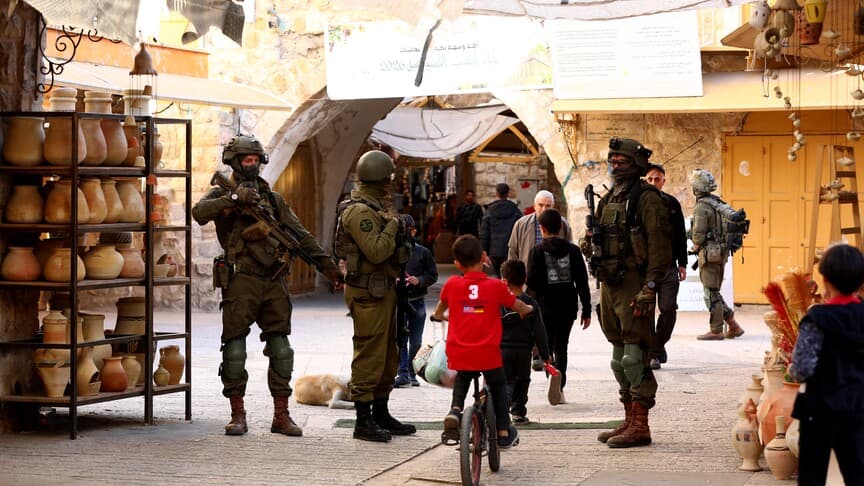
Relations between London and Israel have deteriorated markedly over the past three years against the backdrop of the war in Gaza and settlement expansion plans. In September, after the announcement of British trade sanctions against the settlements, Israel threatened to close the British consulate in East Jerusalem, but last month diplomats of the two countries agreed at the last moment not to do so. The UK government is also developing separate legislation to ban the import of goods from the settlements and to ban advertising services for settlement real estate in the UK. Meanwhile, according to the Palestinian agency WAFA, on 17 November Israeli forces carried out raids in a number of areas of the West Bank with detentions. According to medics, on the night of 16 November settlers opened fire near the village of Ain al-Duyuk al-Tahta in the Jericho governorate: a Palestinian woman was killed and ten people were wounded.