The key facts
- The IEA projects renewable capacity will grow to 9,710 GW by 2030 — 2.6 times the 2022 level, below the tripling goal
- From 2026 to 2031, an increase of about 4,800 GW is expected
- To meet the COP28 goals, energy efficiency must improve by 4% per year versus 1–2% in 2024–2025, requiring an additional $1.3 trillion in investment annually
IEA forecast: the tripling goal is at risk
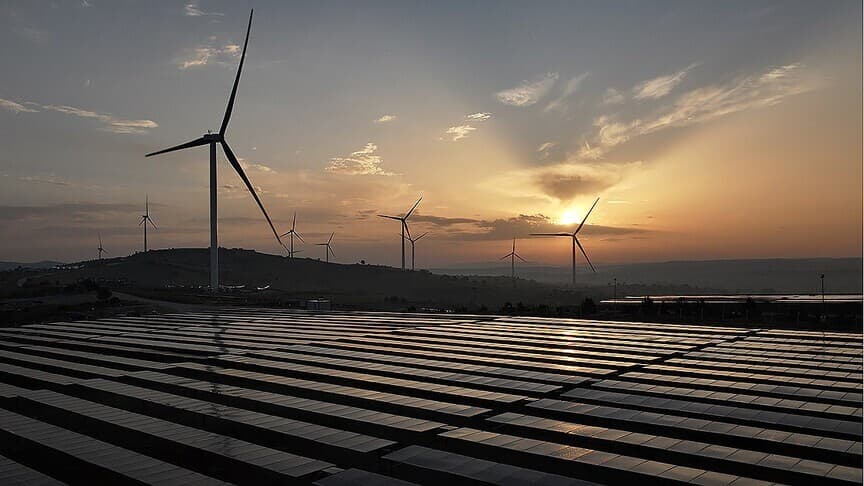
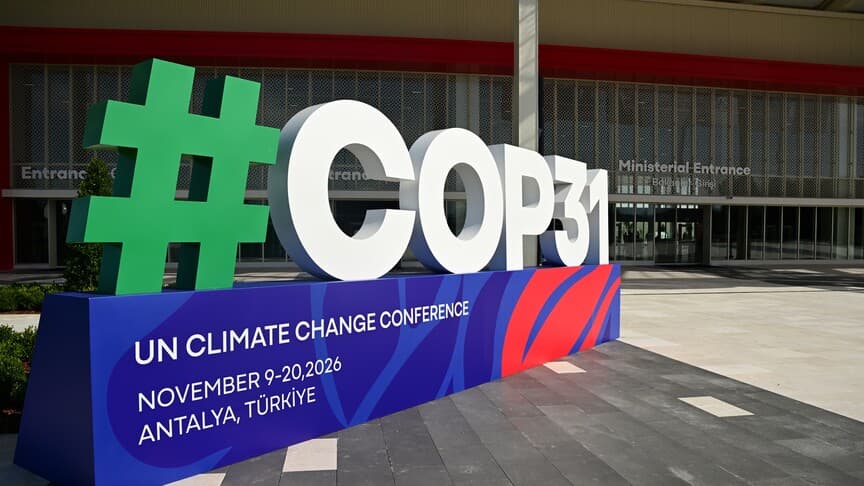
Mary Burce Warlick, Deputy Executive Director of the International Energy Agency (IEA), said at a special session of the 31st UN Climate Change Conference (COP31) in Antalya that global renewable energy capacity will not reach the tripling goal by 2030 without immediate policy measures. According to her, from 2026 to 2031 capacity will grow by about 4,800 gigawatts, reaching 9,710 GW by 2030 — 2.6 times the 2022 level, but below the agreed tripling goal. At the same time, she estimated that the share of renewables in global electricity generation will rise from one third to almost 45%.
What has been proposed to close the gap
Warlick called on governments to close the gap and reach the goal by the end of 2031 through the immediate holding of procurement tenders, reform of permitting procedures, and investment in grid modernization and energy storage. She separately emphasized that, under the COP28 goals, energy efficiency must improve by 4% per year through 2030 — versus 1% in 2024 and 2% in 2025. By her estimate, this will require an additional $1.3 trillion in investment per year worldwide, but, as she noted, these outlays will in the long run lower energy bills and strengthen energy security. She added that the goals will not be met if investment in clean energy does not accelerate worldwide, especially in developing countries.
The position of the COP30 presidency
Amanda Ohara, Senior Energy Adviser to the Brazilian COP30 presidency, warned that the main obstacle to moving away from fossil fuels is a lack of infrastructure. In her view, countries need to develop investment roadmaps that align climate commitments with economic priorities, and to create conditions that make investment in the transition feasible; roadmaps, she noted, can help at the planning stage.