The key facts
- The Irish presidency of the EU Council has softened the ETS reform: 80% of free allowances are retained upon submission of an investment plan, even if the investments are not delivered
- The Irish presidency of the EU Council has softened the ETS reform: 80% of free allowances are retained if an investment plan is submitted, even if the investments are not carried out
- The EU target is a 90% cut in net emissions by 2040, of which at least 85% through domestic reductions and 5% through international carbon credits
- An analysis by Öko-Institut commissioned by WWF Germany found the European Commission's reform 'incompatible' with the 2040 target
Softening of the carbon market reform
The European Union's 2040 climate target risks being undermined by the reform of the Emissions Trading System (ETS), according to a leaked documentseen by Euronews. The Irish presidency of the EU Council has softened the proposal, which ambassadors of the bloc's member states will discuss on Wednesday, amid growing political pressure on the ETS: governments are trying to reconcile emissions targets with industrial competitiveness and high energy prices. The compromise text is meant to secure political support for the carbon market after 2030, but climate advocates warn that concessions to industry will weaken the system's contribution to the 2040 target, and the shortfall will have to be compensated by other sectors of the economy.
Free allowances and international credits
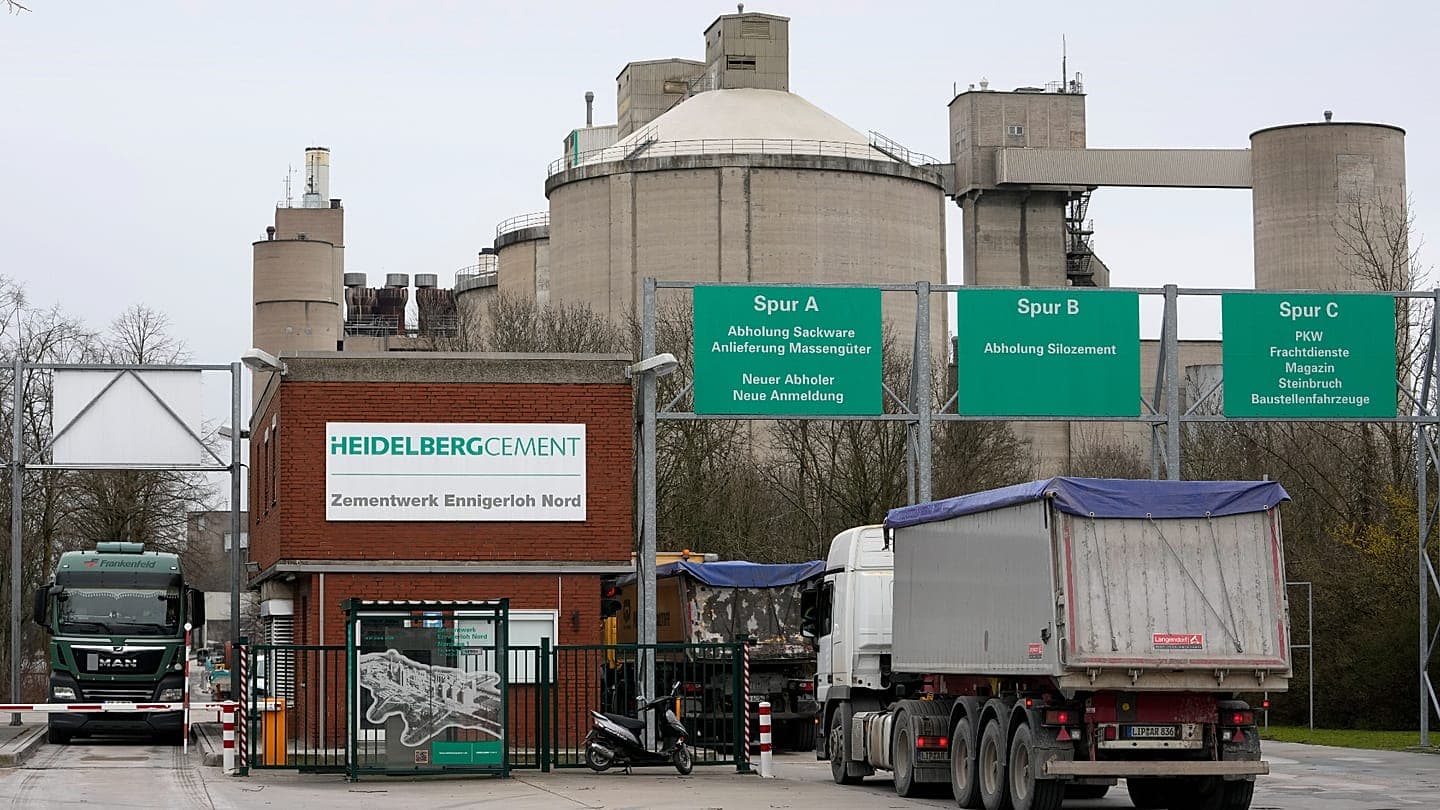
The Council text retains the European Commission's July proposal to slow the reduction of emission allowances, extend free permits for industry and admit international carbon credits into the EU market — so that emissions within the bloc can be offset by projects abroad. Under the Irish presidency's proposal, industrial companies will keep 80% of free allowances if they submit an investment plan, even if they later fail to deliver the declared decarbonisation investments; the remaining 20% depend on the start of construction of suitable projects. Free allowances are handed to companies without auction and are meant to shield EU producers from competition from countries with less strict climate rules, such as China and the US. The outlet notes that this is a significant political concession to industry and raises the question of whether the ETS will provide sufficient incentives to cut emissions.
Credits and the 2040 target
On international credits, the Council kept the Commission's proposal to reserve allowances equivalent to 260 million tonnes of CO2 to finance their purchase, and left the pilot phase in 2031–2035 open. Strict requirements for the quality and integrity of credits were also retained, on which the emissions reduction trajectory in the ETS increasingly depends. The problem is that the 2040 target requires cutting net domestic emissions by at least 85%, with the remaining 5% to be delivered by international credits: if industry cannot buy them, the target will be at risk.
Split between capitals and criticism from environmentalists
EU countries disagree on how quickly the supply of allowances should shrink, whether companies should be allowed to use international credits, and how strongly industry should be shielded from rising carbon costs — this follows from a second document seen by Euronews. Some governments believe the supply of allowances should decline in order to raise the carbon price and encourage a move away from fossil fuels; others fear for their industry if free allowances are scrapped. A slower reduction will ease pressure on power plants and factories and may contain prices, but will reduce emissions cuts in the sectors covered by the ETS and make the 2040 target harder to achieve. An analysis commissioned by WWF Germany from Öko-Institut found the Commission's proposed reform to be 'incompatible' with the target of cutting net emissions by 90% by 2040. 'The Commission is rather gambling with climate protection than securing the future of European industry,' said WWF Germany expert Lisa Gökkenden, adding that the reform lacks the necessary price signal and 'this gap is being filled with complicated accounting tricks and excessive flexibility.' Environmentalists also criticise the proposal to allow emissions above the existing cap in exchange for future permanent carbon removals using expensive technologies for capturing CO2 from the air: according to the study, the required volume of capacity simply does not exist today.
What happens next
The Irish presidency faces a challenging task due to the depth of disagreements among member states and the complexity of the negotiations. It hopes to reach an agreement at the Environment Council on 11 December; the European Parliament is expected to vote during the plenary session on 14–17 December in Strasbourg. For now, the presidency is seeking consensus among all 27 countries before moving on to more politically sensitive issues of climate ambition and the sharing of the burden between states.