The key facts
- According to a World Bank estimate cited by EDF, in 2025 about 167 billion cubic meters of gas were flared worldwide — roughly as much as the whole of Africa consumes
- Kallhauge stresses that cutting methane does not remove the need for deep CO2 emission reductions; work must proceed on both fronts
- The main barrier between promises and action is a lack of institutional, human and financial capacity
Methane as a Fast Lever Against Climate Change
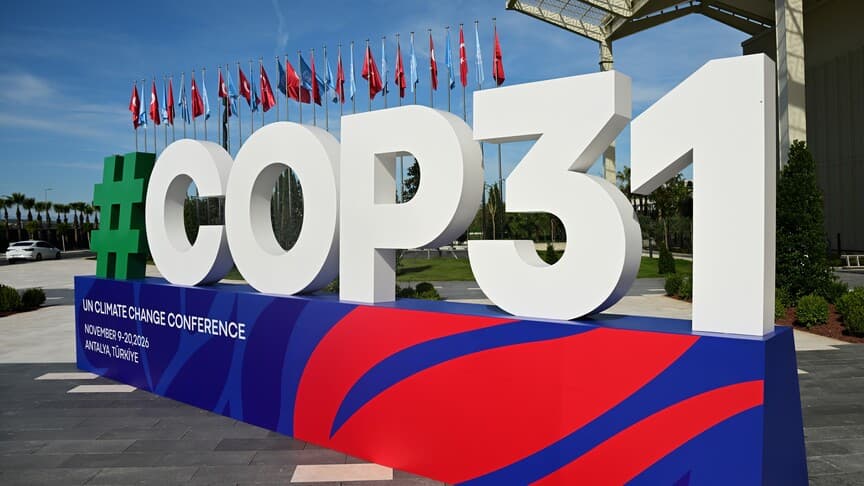
Cutting methane emissions can slow climate change within the lifetime of the current generation — this was the thesis put forward by Angela Churie Kallhauge, Executive Vice President for Impact at Environmental Defense Fund (EDF). In an interview with the Anadolu agency on the sidelines of the UN climate summit COP31, she explained why methane deserves special attention: this gas has a powerful greenhouse effect, and measures to reduce it deliver visible results in a short time. 'When you see results, you feel inspired to do even more,' she noted.
Lost Gas: 167 Billion Cubic Meters
Kallhauge linked the climate agenda to energy security. According to her, citing World Bank estimates, in 2025 about 167 billion cubic meters of natural gas were flared worldwide — roughly as much as the entire African continent consumes. This volume, she emphasized, is at once a significant emission of methane into the atmosphere and a lost energy resource. She named capturing such gas and returning it to the energy system as a priority: for regions where a significant share of the population lacks access to affordable energy, reducing losses provides an additional resource.
A Shift in Perception: From Problem to Economic Opportunity
According to Kallhauge's observations, attitudes toward methane are changing. Previously, in discussions it was associated primarily with climate consequences, but at an event featuring the African Energy Commission, her interlocutor from an organization working with gas exporters replied: 'methan is resources, methane is money.' She asserts that growing recognition of the economic rationale for methane action is seen both among countries and in the industry, and the geopolitical situation additionally pushes states to use available resources more efficiently and reduce losses.
The Technology Exists, but Methane Does Not Replace Work on CO2
Kallhauge particularly stressed that prioritizing methane must not come at the expense of cutting carbon dioxide: 'Work on methane does not mean we should not work on CO2. We need very deep reductions in carbon dioxide emissions.' In the oil and gas sector, she said, technology already makes it possible to cut about 70% of emissions, with 60% of that volume at no net cost — meaning action can begin immediately and with economic benefit. She sees additional potential in agriculture.
The Gap Between Promises and Implementation
Despite the availability of technology and growing awareness, Kallhauge named the lack of capacity — institutional, human and financial — as the main obstacle. In her view, fighting methane emissions is harder to finance when it is presented exclusively as an environmental topic; integration into the energy sector and an emphasis on the commercial value of the gas help attract funds. She also pointed to a lack of regulatory frameworks: clear rules, reliable data and financing mechanisms backed by accountability measures are needed.
COP31 Outcomes and Expectations for the Coming Year
Kallhauge assessed the COP31 summit as 'a good start,' noting the shift of the discussion toward implementation issues and the significant financial commitments announced by countries. At the same time, she cautioned that 'we still have a long way to go.' Looking ahead, she called for a strong political signal on the importance of cutting methane and for accelerating efforts to achieve the goal of the Global Methane Pledge by 2030, expressing hope that by the next summit the pace of implementation can be doubled.