The key facts
- Zelensky said Ukrainian interceptors lose connection at 161 km/h and cannot intercept jet-powered 'Shaheds' flying at up to 1,000 km/h
- Starlink and Starshield restrictions apply 'along the entire front line' and over occupied territories; Kyiv has received no explanations from SpaceX
- Russia reported intercepting 1,336 Ukrainian drones overnight, about 600 of them heading toward Moscow
Zelensky demands restoration of Starlink access
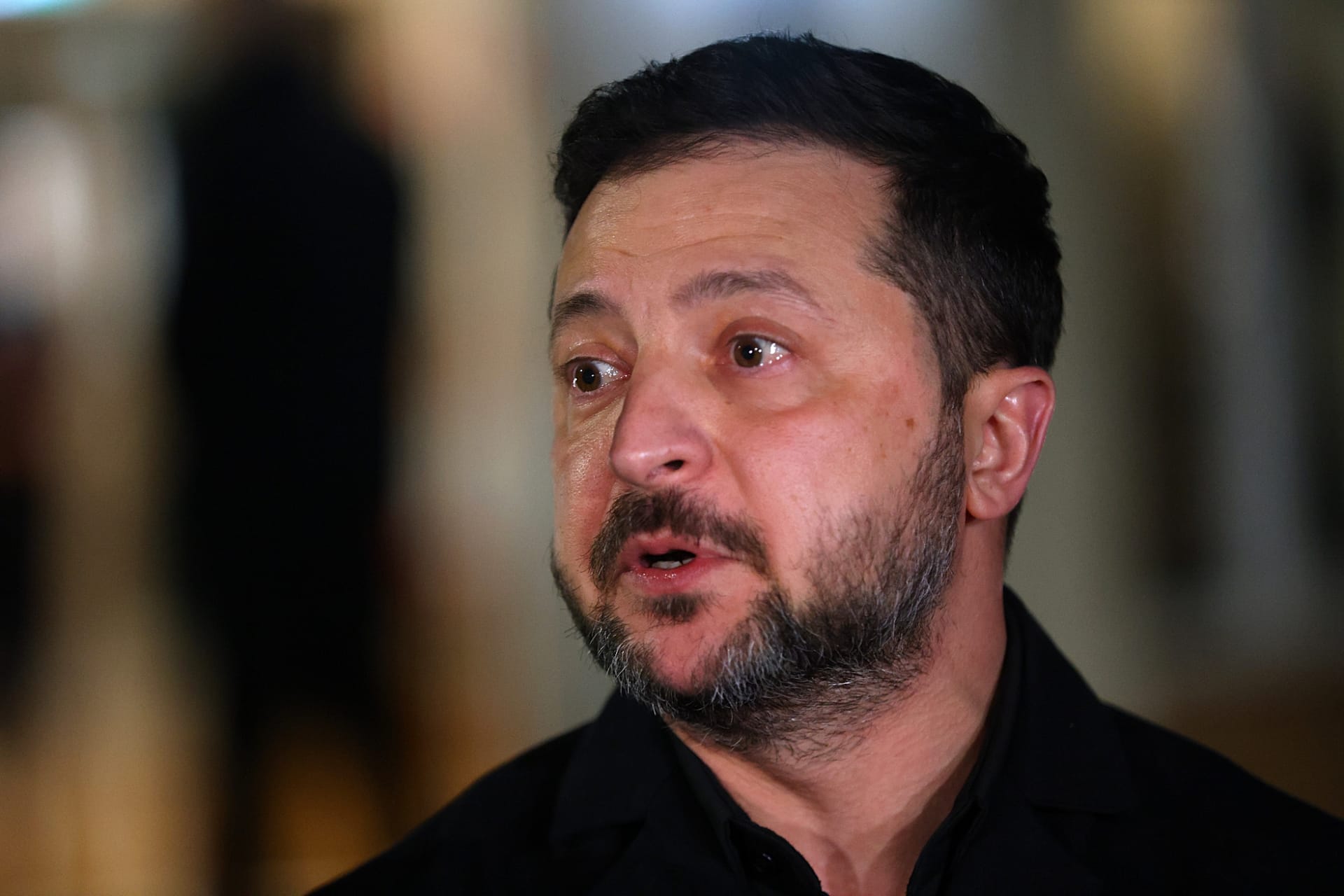
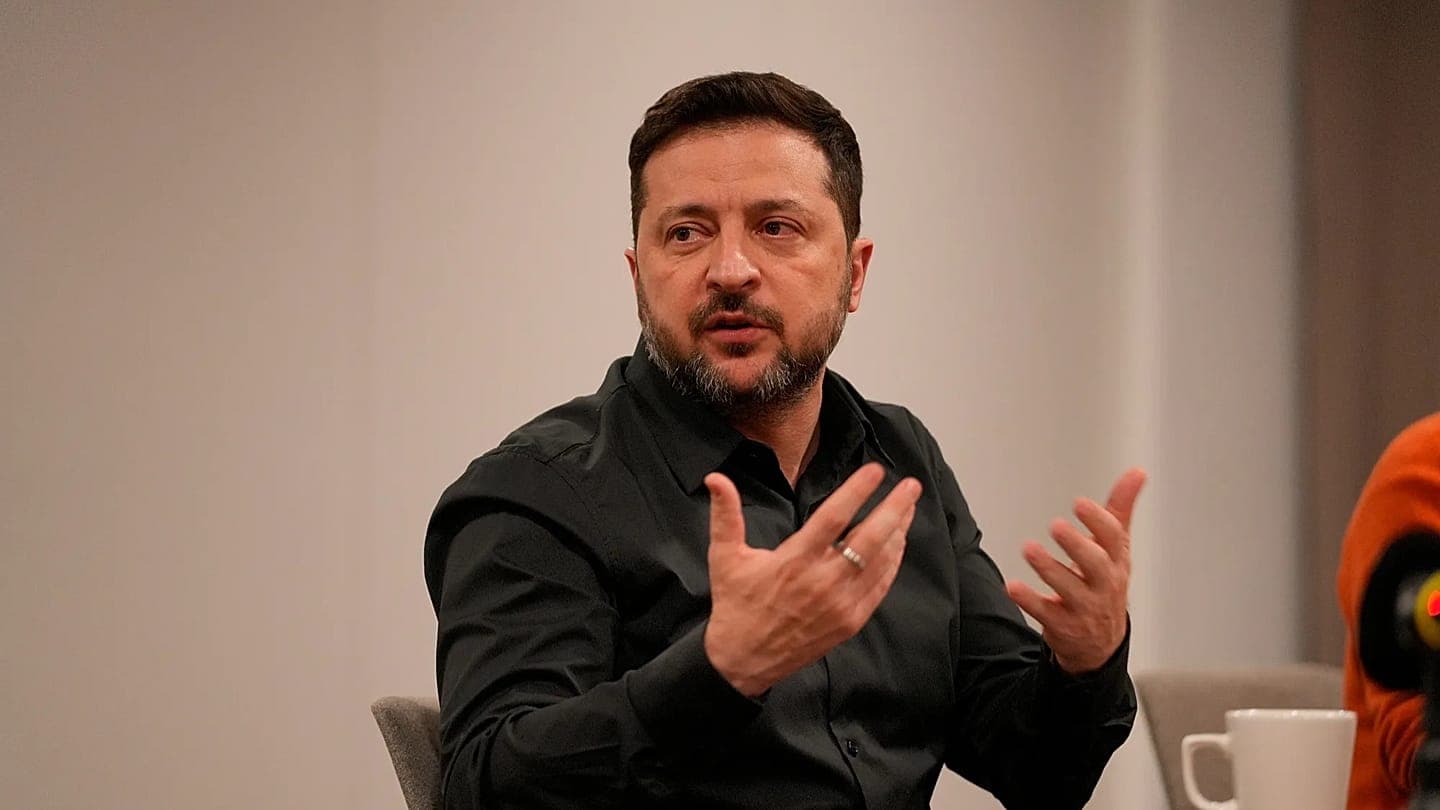
Ukrainian President Volodymyr Zelensky called on the US and Elon Musk to lift restrictions on Ukrainian access to the Starlink satellite network. 'Our interceptor drones lose connection with operators at a speed of 161 kilometers per hour and simply cannot catch up with Russian jet-powered Shaheds,' he wrote on X, adding: 'It is important to be on the right side of history' and 'We expect these restrictions to be lifted.'
What is known about the restrictions
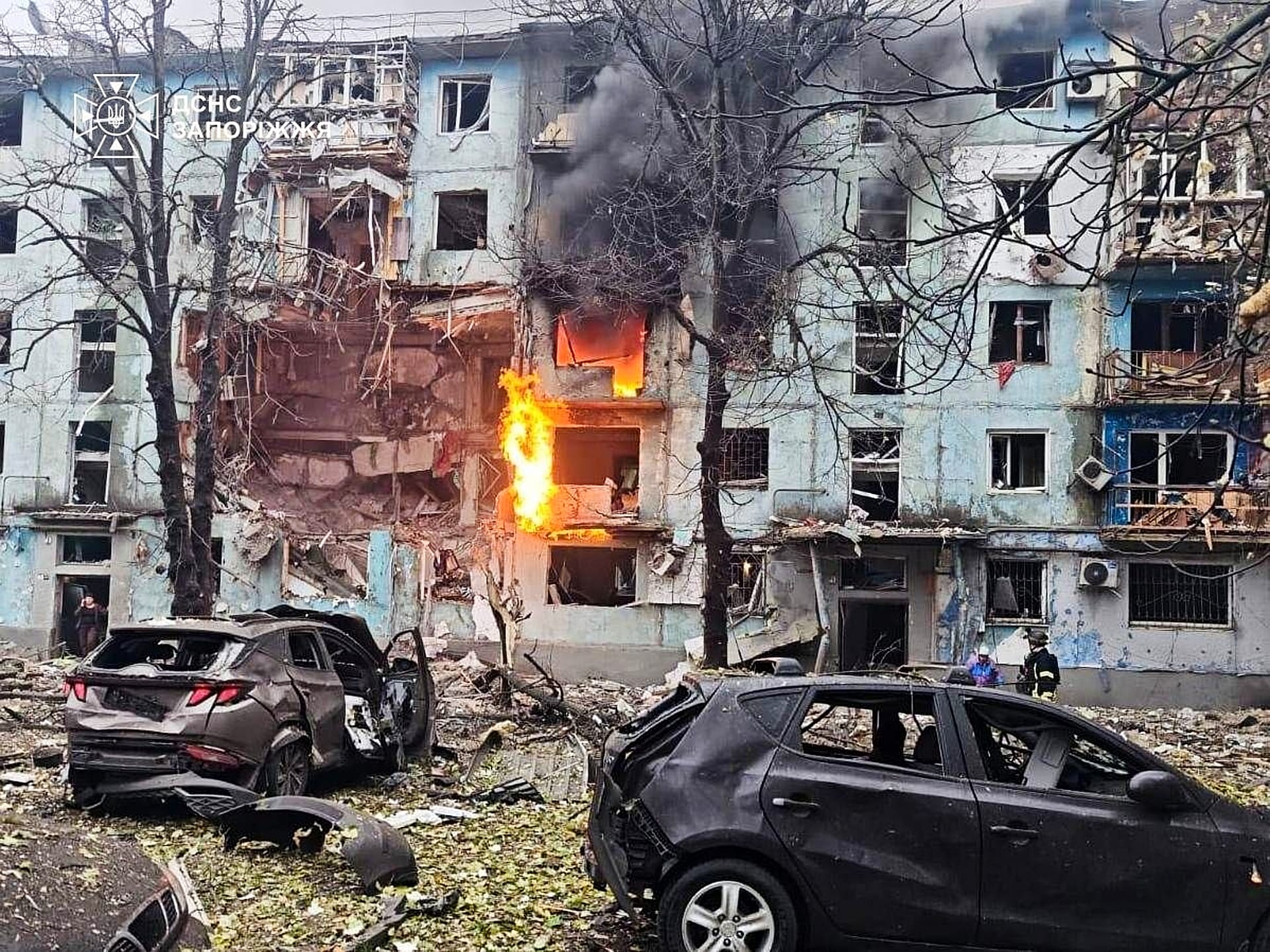
According to Zelensky, Ukraine's military faces 'systematic' restrictions of SpaceX's service: the connection only works when devices move slower than 161 km/h. On Friday he confirmed that the restrictions remain in place 'along the entire front line' and over territories occupied by Russia, and that 'there are still no clear explanations.' Ukraine uses Starlink for frontline communications and for access to the military Starshield segment to intercept drones and missiles. Problems with Starshield were first noted last month after a dispute between Zelensky and US President Donald Trump over the American-Russian diesel fuel deal; access was later restored. Kyiv says the current restrictions effectively make it impossible to intercept Russian jet-powered drones, which reach speeds of up to 1,000 km/h.
Largest drone wave and the Shenzhen summit
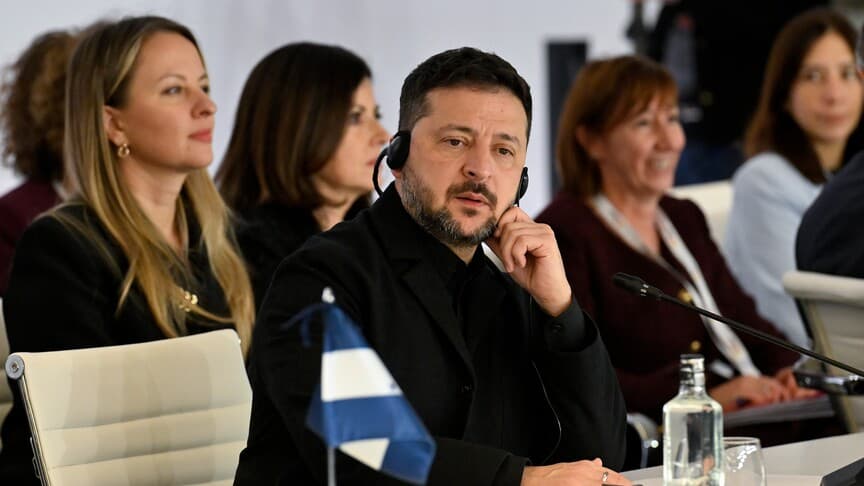
Against the backdrop of this dispute, Russia said it intercepted 1,336 Ukrainian fixed-wing drones overnight over several regions and the Black and Azov Seas — one of the largest attacks in nearly five years of war. Moscow Mayor Sergei Sobyanin said on Telegram that about 600 drones were flying toward the Moscow region, of which 191 were 'neutralized on approach to Moscow.' No information on damage or casualties was immediately available. A few hours earlier, Ukrainian forces struck a major petrochemical plant, an oil refinery and a military production facility deep inside Russia. The attacks came days before the summit in Shenzhen, where, as confirmed by Beijing, Vladimir Putin, Donald Trump and Xi Jinping will hold talks on the sidelines of the APEC summit on November 19. Beijing did not disclose the agenda; Trump said he intends to discuss denuclearization and the war with Iran, and, according to US officials, Russia's war against Ukraine is not planned to be discussed at the trilateral talks. Washington is meanwhile holding separate talks with Kyiv and Moscow on ending the conflict. German President Frank-Walter Steinmeier told broadcaster ARD that Xi recently reacted with 'irritation' to proposals to discuss Ukraine in a trilateral format, pointing out that it is a European conflict at whose table Europeans should also be present. Zelensky warned that the meeting in Shenzhen risks becoming a 'Yalta of the 21st century,' where major powers could redraw spheres of influence without the participation of smaller countries.