The key facts
- Zelensky: interceptor drones lose connection with operators at speeds above 161 km/h and cannot catch up with 'Shaheds' flying at 300–400 km/h
- SpaceX told Axios that claims about renewed restrictions are 'false' and 'there have been no changes'; the Pentagon earlier denied issuing such an order
- According to Ukrainian officials, the limit was introduced on October 14 and lifted on October 24, but Zelensky again reported problems
What happened
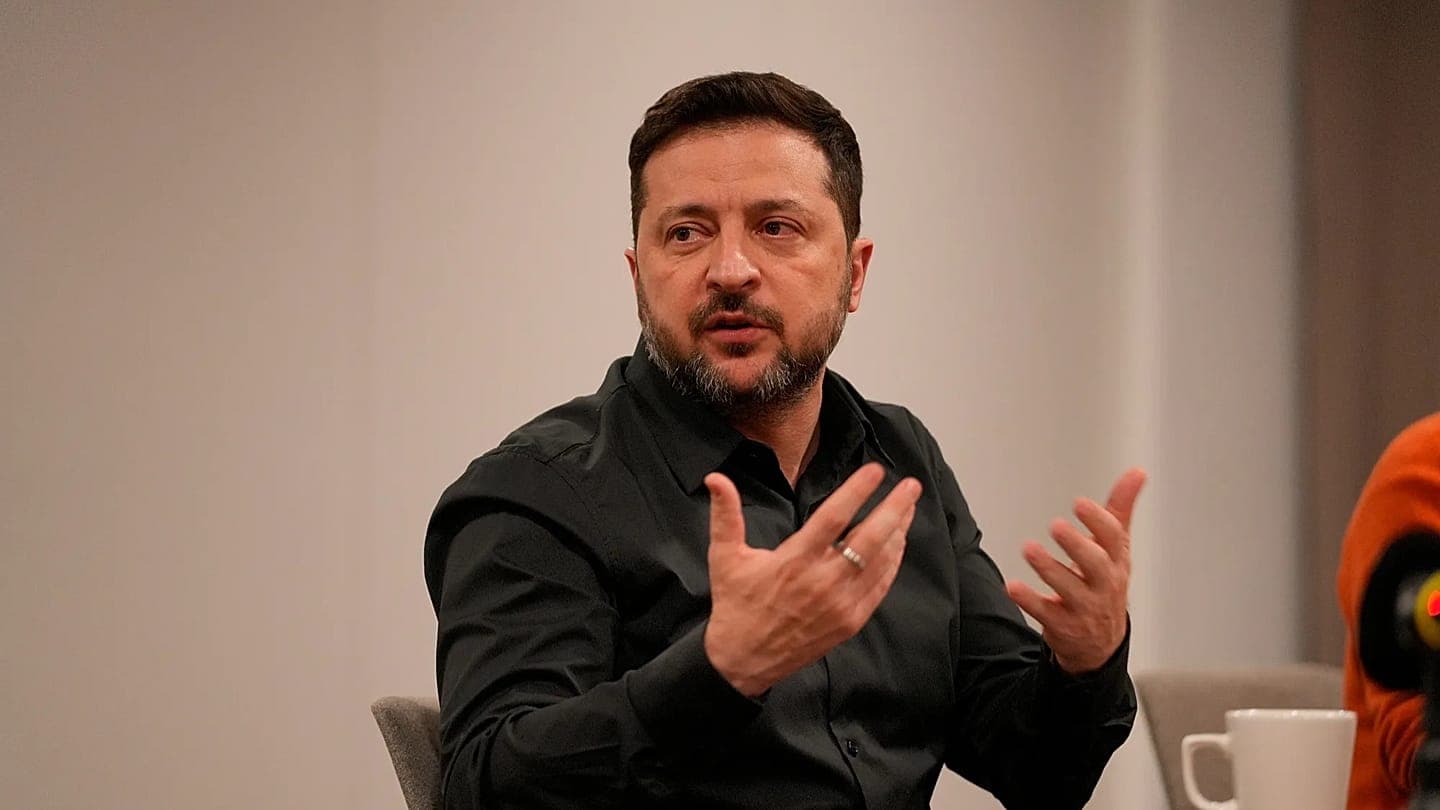
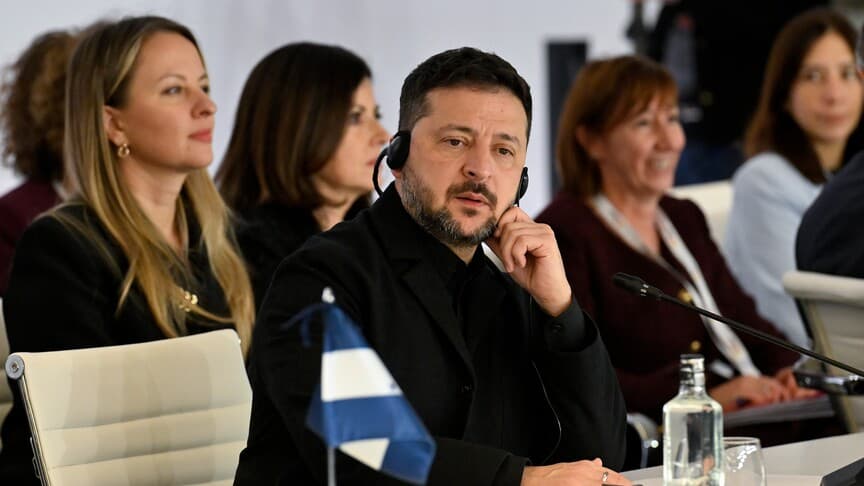
On Sunday, November 15, Ukrainian President Volodymyr Zelensky said that Starshield satellite terminals — the military version of Starlink provided to Ukraine by the US government — are again losing connectivity when moving faster than 161 km/h. According to him, this prevents Ukrainian interceptor drones from catching up with Russian jet-powered 'Shaheds', which, according to Ukrainian military intelligence, reach speeds of 300–400 km/h. Zelensky linked the restrictions to the vulnerability of energy infrastructure: 'The Russians attack substations with Shaheds. And many of these strikes get through precisely because the speed restrictions on Starshield terminals along the front line and in the temporarily occupied territories remain in place.' He called on the US and Elon Musk to 'be on the right side of history' and said he had instructed the Foreign Ministry, the Defense Ministry and the presidential office to coordinate work with the American side and SpaceX.
Conflicting accounts
The timeline of the issue remains disputed. According to Ukrainian officials, SpaceX introduced the 161 km/h limit for Starlink and Starshield in Ukraine on October 14, and Ukraine's Defense Ministry reported that from October 24 the terminals were again operating at higher speeds. However, Zelensky said on Thursday that the loss of connectivity at speeds above 161 km/h had resumed. In October, the issue prompted contradictory statements from Musk and Donald Trump: Musk placed responsibility on the US government, which controls Starshield, while Trump denied this and, in his words, ordered things to be 'put back as they were'. Pentagon chief Pete Hegseth said in October that no order had been given to restrict Starshield. SpaceX did not publicly comment on Zelensky's new statements, but told Axios on Thursday that claims about the renewed restrictions were 'false' and that 'there have been no changes'. Thus, at this point there are mutually exclusive accounts from the parties, and it is impossible to independently verify the actual state of the terminals from open sources.
Context of the strikes
The statement came against the backdrop of intense attacks on Ukraine's energy sector. According to Zelensky, over the past week Russia used more than 2,300 attack drones, 1,590 guided aerial bombs and 15 missiles. The strikes affected the power grid in Zaporizhzhia and in Sumy, Odesa, Zhytomyr and Kirovohrad oblasts, as well as railway infrastructure in Dnipropetrovsk, Kharkiv and Zaporizhzhia oblasts. The governor of Chernihiv oblast, Viacheslav Chaus, reported two people killed in an attack on an infrastructure facility in Mena. Ukraine, for its part, said it had struck a petrochemical plant and a refinery in Nizhnekamsk, in Tatarstan. According to a BBC assessment, the shortage of American Patriot missiles used to defend against Russian missiles is worsening the interception situation, which Russia has exploited to intensify strikes on Ukrainian facilities.