The key facts
- Sweden calls on the European Commission to prepare a new plan for frozen Russian assets
- Stenergard noted a decline in bilateral support for Ukraine after the agreement on a €90 billion loan
- According to her, Europe should take part in negotiations 'on Ukraine's side,' not act as a mediator
A new plan for the assets
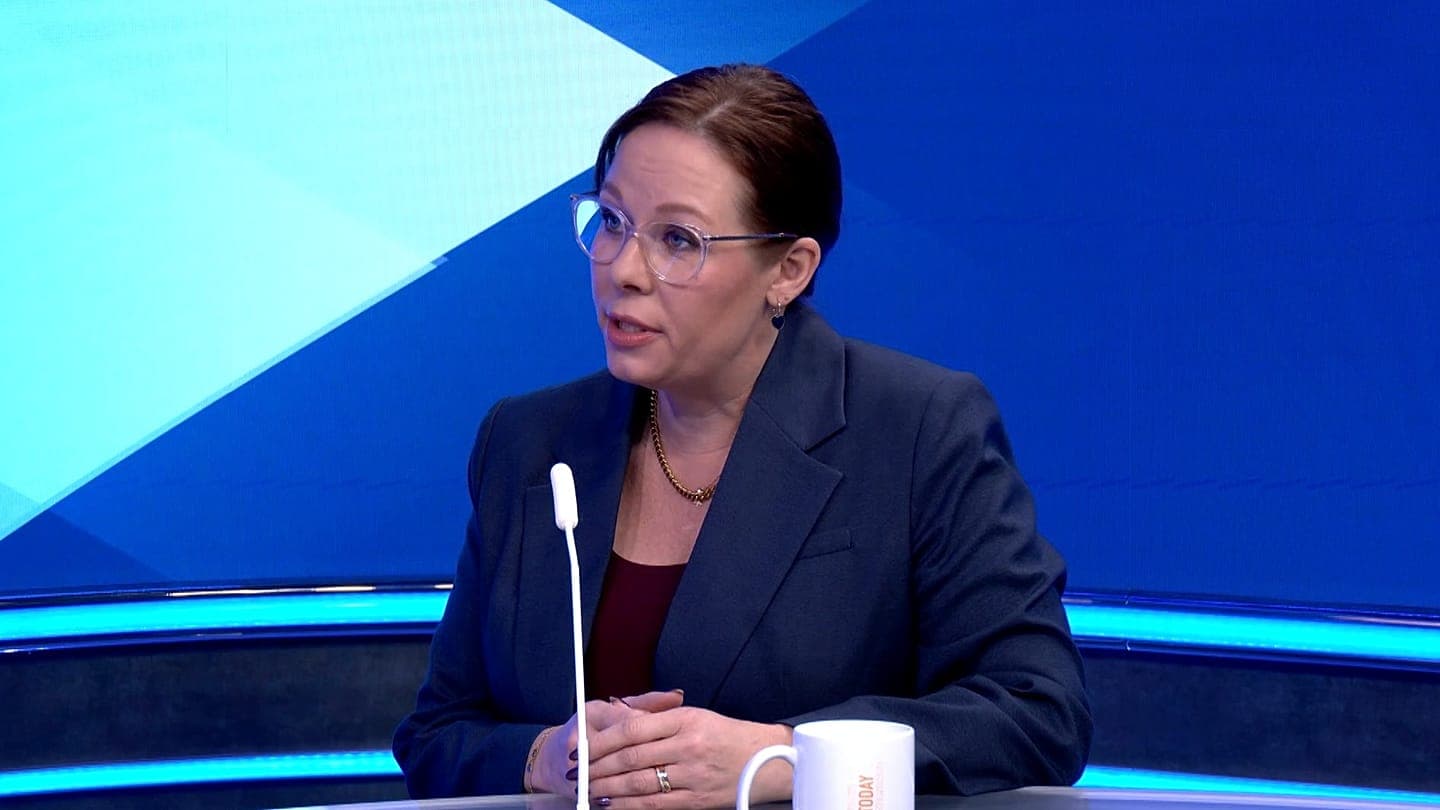
Sweden has called on the European Commission to prepare a new proposal for using frozen Russian assets to finance Ukraine. This was announced by the country's Foreign Minister Maria Malmer Stenergard in an interview with Euronews, urging European countries to step up military and financial support for Kyiv.
Moving assets out of Belgium and distributing risks
Stenergard said she hopes the Commission is working on a plan to move the assets out of Belgium and distribute financial risks among EU member states. She called the EU's €90 billion loan an important step, but warned that bilateral support for Ukraine has declined since then. 'We need more bilateral support. We need more loans, but we also need to use the frozen Russian assets,' the minister said.
Negotiations and Europe's position
The minister, who recently visited Abu Dhabi during talks aimed at ending the war, said she sees nothing that would give grounds for optimism about a diplomatic breakthrough. In her view, Russia shows no interest in peace, and Europe should focus on increasing support for Kyiv and stepping up pressure on Moscow. Stenergard stressed that Europe must have a seat at the negotiating table, since any settlement will affect European interests, including possible Ukrainian membership in the EU and NATO. 'We are not mediators,' she said. 'We must be at the table, but we must be on Ukraine's side.'
Hybrid attacks and civil defence
Stenergard also warned that Russia is taking increasingly bold risks by conducting hybrid attacks against European countries, especially in the Baltic region. She said Sweden has increased spending on civil defence to strengthen the population's preparedness and called for greater European cohesion. 'Essentially, they want to divide us and reduce support for Ukraine. That is why we must increase support for Ukraine. Stay united,' the minister said.