The key facts
- Merz called funding for further aid to Ukraine the central unresolved issue in discussions of the EU budget for 2028–2034
- Ursula von der Leyen will present a new European Commission proposal on Thursday to close Ukraine's budget deficit
- On Thursday, Berlin will host a summit of the 'coalition of the willing' with almost 30 heads of state and government
Disagreements within the EU
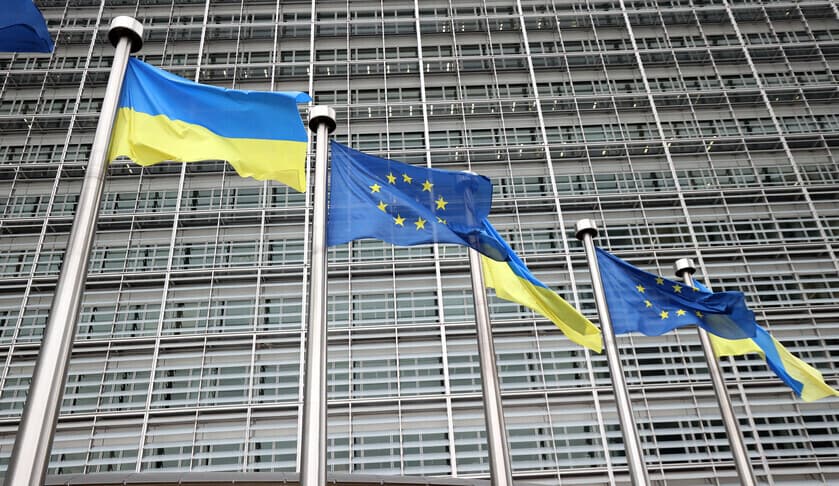
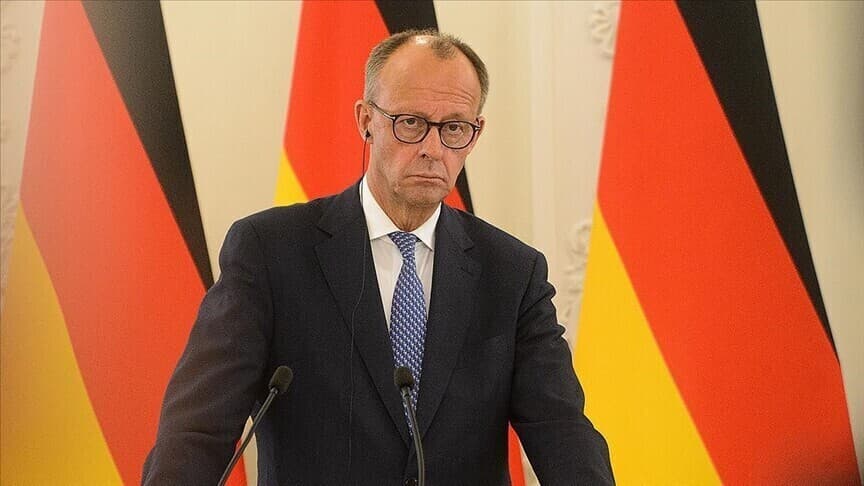
The European Union remains divided on the issues of the long-term budget and further financial aid to Ukraine, German Chancellor Friedrich Merz said at a press conference in Munich after a meeting of the leadership of the Christian Social Union, which is part of his conservative coalition. The discussion concerns the multiannual financial framework for 2028–2034, which is currently being negotiated. According to Merz, the goal remains the same — to reach an agreement on the long-term budget by the end of 2026: a two-day European Council summit is coming up in two weeks, and shortly before Christmas there may be a three-day session at which, in his view, a conclusion should be reached 'if possible'. The Chancellor acknowledged that a number of detailed, including fundamental, questions remain unresolved, but stressed that the central task is funding for further aid to Ukraine.
New Commission proposal and the summit in Berlin
On Thursday, European Commission President Ursula von der Leyen is expected to present a new budget proposal. On the same day, Merz will hold a summit of the 'coalition of the willing' — countries supporting Ukraine — in Berlin. According to him, almost 30 heads of state and government will personally take part, and von der Leyen will also be present; the meeting will provide another opportunity to discuss the Commission's proposals. Merz previously warned that an agreement on the EU long-term budget depends on ensuring sustainable collective funding for Ukraine with the participation of all 27 member states. According to available information, several countries — including the Czech Republic, Slovakia, Hungary and Bulgaria — have expressed doubts about new financial contributions to Kyiv. Against the backdrop of the ongoing war with Russia, Ukraine will face a significant additional budget deficit next year, and the European Commission is expected to set out proposals on how the bloc could help close it.