The key facts
- Drones struck three vessels near Romania's Sulina channel over the weekend; there were no casualties
- Romania is seeking an expanded presence of NATO allies and the accelerated establishment of a maritime security hub by 2027
- Estonia is preparing to close road border crossings with Russia after the incident involving Threod Systems, which its security services linked to the GRU
Attacks extend beyond Ukraine
EU foreign ministers gathered for a meeting devoted to support for Ukraine, the situation in the Middle East and the increasingly dangerous situation in the Black Sea, as Russia's full-scale invasion approaches its fifth anniversary. The foreign ministers of Romania, Estonia and Sweden called for a strong and unified European response to Moscow's actions, which increasingly affect European territory.
Three vessels struck off the Romanian coast
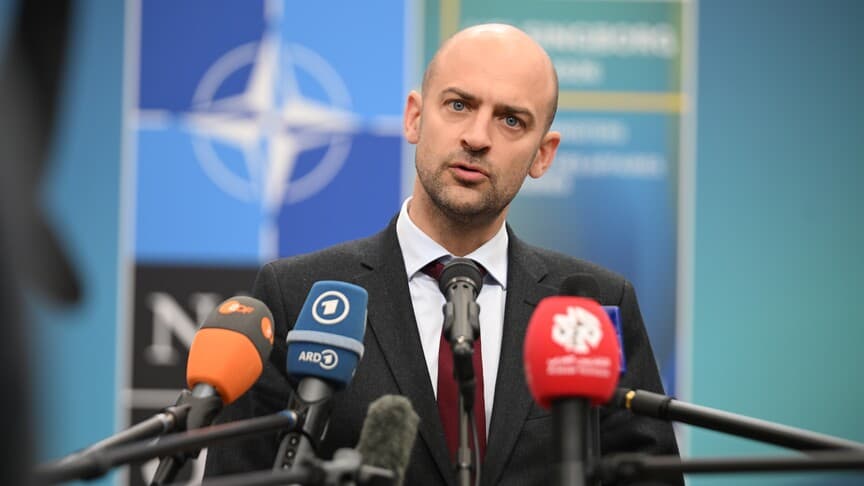
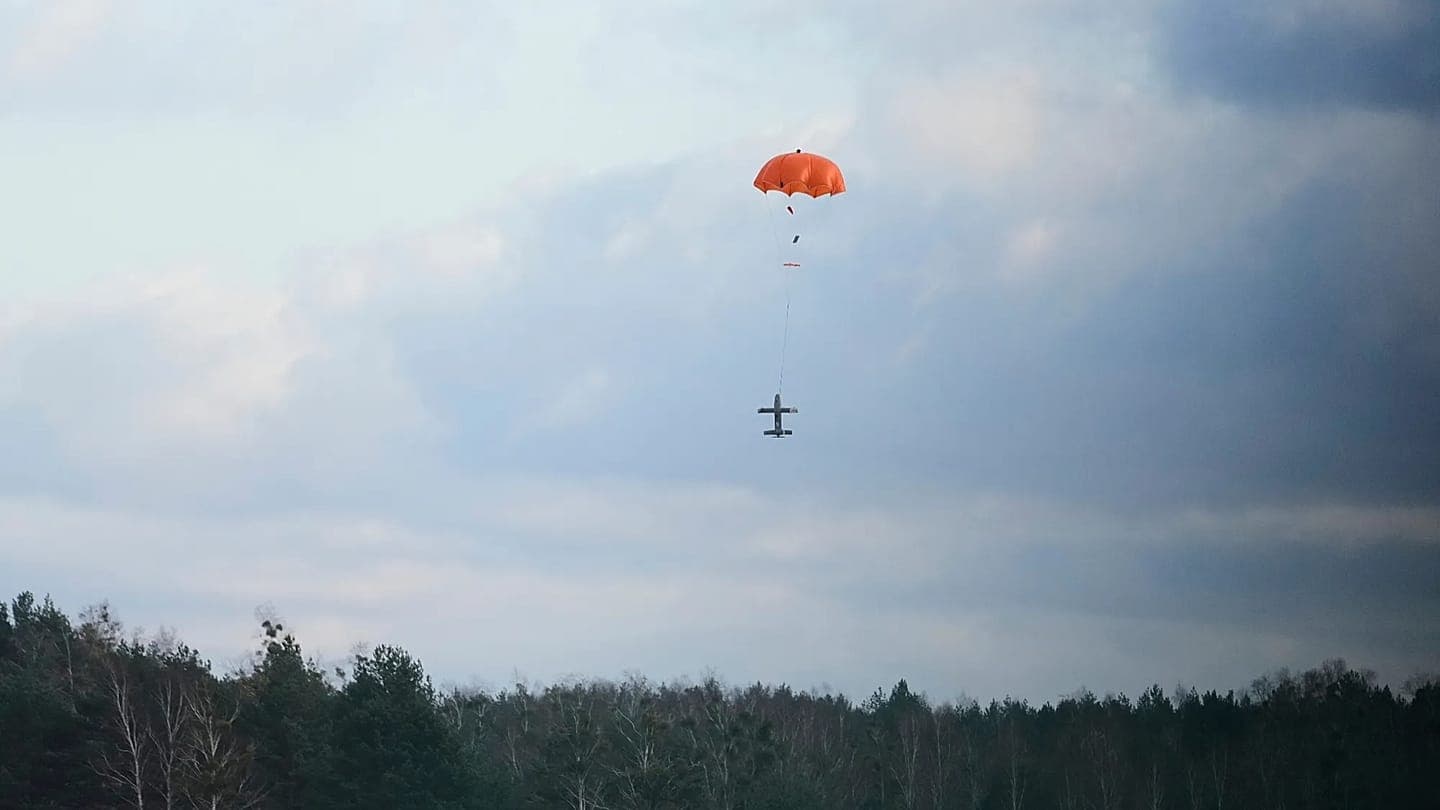
On Sunday, drones struck three vessels near Romania's Sulina channel — a key shipping route connecting the Danube with the Black Sea and used by Ukraine for exporting goods. According to Romanian Defence Minister Ștefan Radu Oprea, there were no casualties, and the crews extinguished the fires that broke out on the vessels. Romanian Foreign Minister Mihai Neculaescu (Dan Neculaescu) said that four alerts had been registered in the country within 24 hours and called the situation unacceptable. He intends to seek from partners a further contribution of forces and assets in Romania, and also to inform colleagues about the Black Sea Maritime Security Centre, whose establishment has been accelerated and is planned for 2027: it is to detect maritime threats, including drones and attacks on underwater cables.
Estonia prepares to close the border
Estonian Foreign Minister Margus Tsahkna said that the recent attempted sabotage against the company Threod Systems, which Estonian security services linked to Russia's GRU, is 'yet another reminder that Russia's hostile activity extends far beyond Ukraine.' In response, Estonia is preparing to close the road border crossings with Russia: 'Hostile actions must have consequences,' he wrote. Tsahkna also proposed building the European response to hybrid warfare on the same principles as those applied to the European envoy in ceasefire negotiations.
Negotiating context and Sweden's position
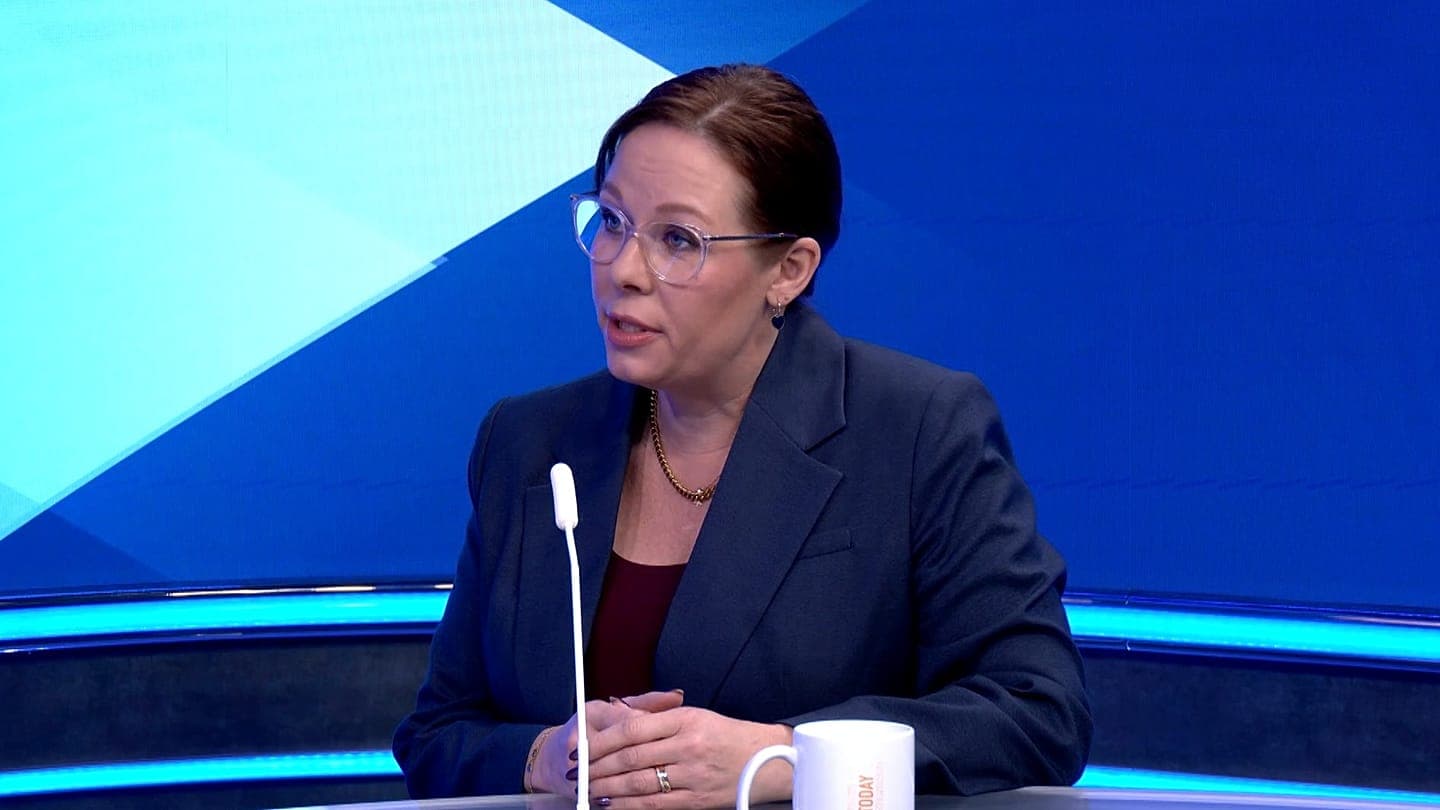
The meeting is to continue the discussion of the mandate of the European envoy in future ceasefire negotiations between Russia and Ukraine. Under the arrangement reached by leaders after an informal meeting in Dublin on Friday, representatives of the United Kingdom, France, Germany, Italy and Poland, together with officials from the European Council and NATO, will speak on behalf of Europe in any future negotiations. Swedish Foreign Minister Maria Malmer Stenergard linked the rise in hybrid incidents to the fact that the Kremlin, in her words, 'is not winning in Ukraine' and has failed to achieve its goals in almost five years of war. She emphasised the need for European unity and the resilience of citizens, noting that Sweden has substantially increased spending on civil defence. Tsahkna, for his part, stated that Putin 'is still putting forward the demands of 2021,' and that he must not be allowed, through peace negotiations, to obtain what he failed to achieve on the battlefield.