The key facts
- Jensen Huang, who led Nvidia for 33 years, has resigned; CFO Colette Kress is running the company on an interim basis
- Jensen Huang, who led Nvidia for 33 years, has resigned; the company is temporarily run by CFO Colette Kress
- In one week Nvidia lost $573 billion in market capitalization — the largest weekly dollar loss for a company in history
- AMD and Broadcom shares rose 13.1% and 13.8% respectively over the week amid Huang's departure
Sudden resignation after 33 years at the helm
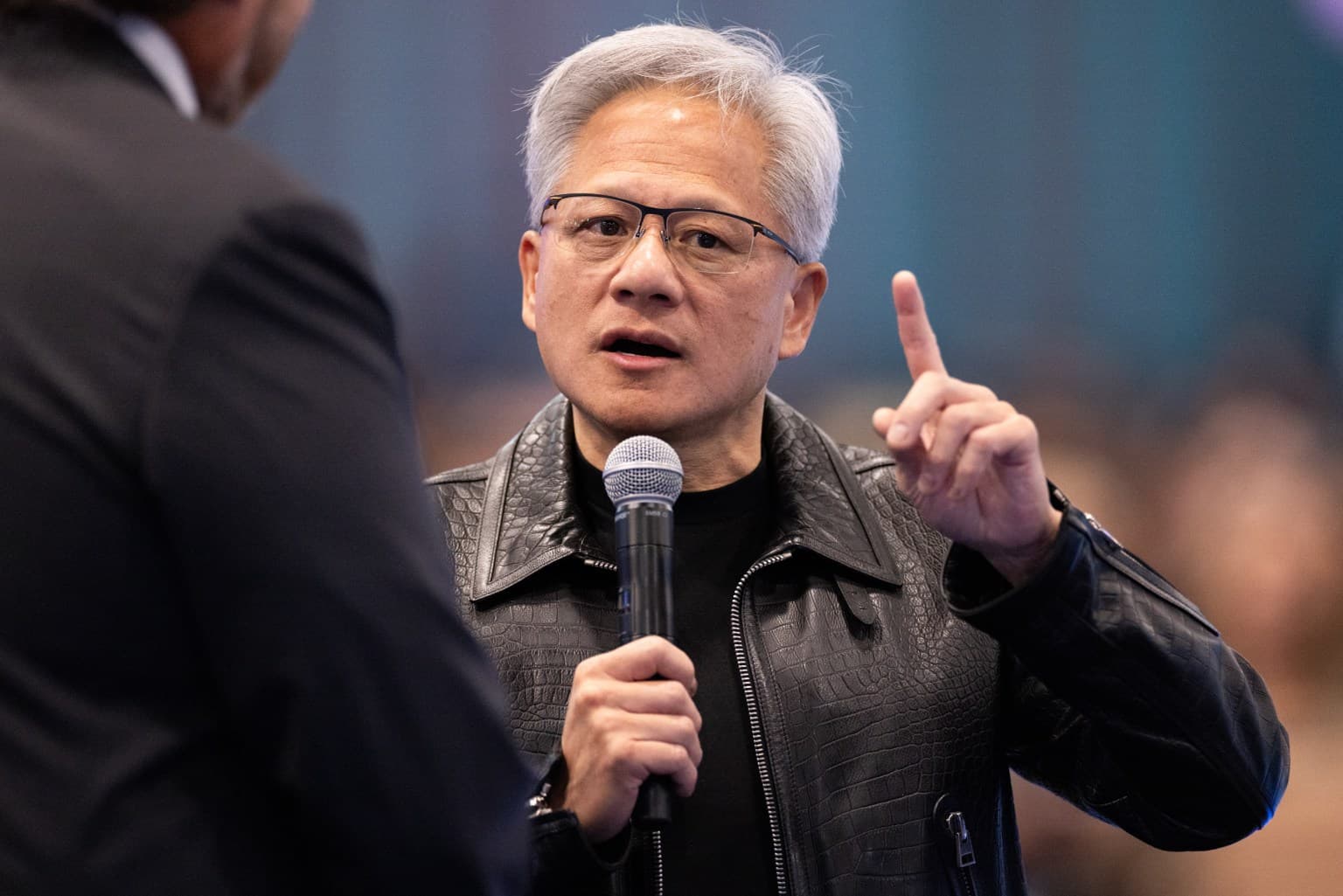
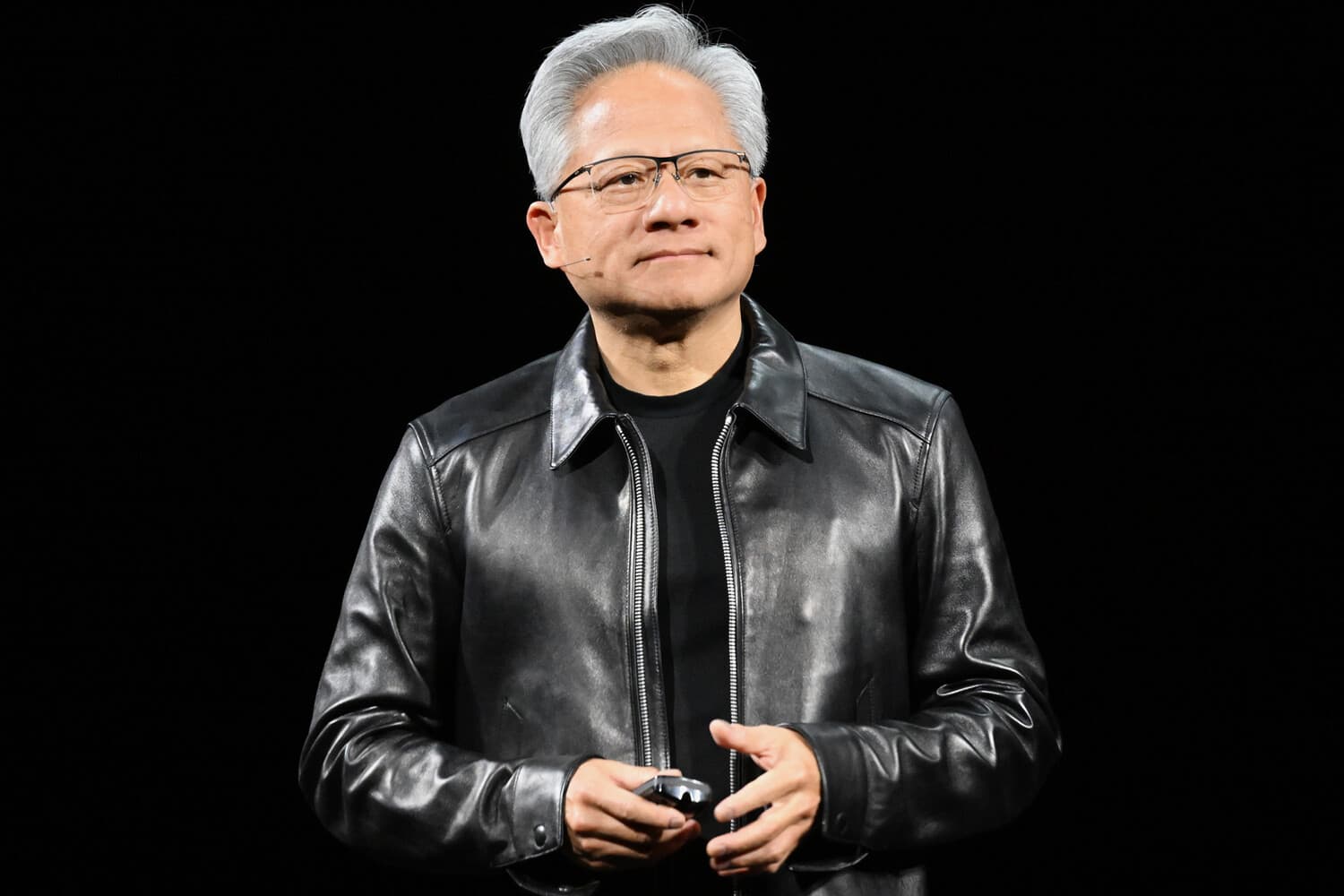
Nvidia announced on Thursday that co-founder and longtime head of the company Jensen Huang has resigned from the posts of president, chief executive officer and board member, Anadolu reports. Huang, 63, founded the company in 1993 and led it for 33 years, turning a maker of gaming graphics cards into the leader of the market for artificial intelligence chips. He apologized for an extramarital affair. Chief financial officer Colette Kress, who has worked at the company for 13 years and has headed its finances since 2013, was appointed interim CEO; she retains her previous position as well. Longtime director Harvey C. Jones became the first chairman of the board. The resignation came days before the publication of third-quarter results on Tuesday.
What led to the departure
The resignation was preceded by reports that Huang had an extramarital affair with a businesswoman whom American intelligence agencies suspect of spying for China; Beijing denied these accusations. Nvidia's board of directors began an investigation into whether Huang had become the target of a foreign intelligence operation. Pressure intensified after publications about a second affair — with a company executive who reported directly to Huang. According to The New York Times, this businesswoman, Alisa Huang, was a top executive at the Singapore-based company Megaspeed, suspected of smuggling Nvidia chips into China. The Wall Street Journal, citing records it reviewed, reported that Megaspeed planned to supply Chinese companies with advanced Nvidia chips worth nearly $12 billion between March 2024 and June 2025; the company itself said it conducts its business lawfully and builds its supply chains in accordance with American export restrictions.
The market reacted with a record decline
Nvidia shares closed on Friday down 2.01% at $162.85 after falling 4.34% on Thursday. Over the week the company lost $573 billion in market value — the largest weekly dollar loss for a single company in history. From its peak on October 6, Nvidia has lost more than $1.8 trillion in capitalization, dropping below $4 trillion. Investors initially saw the beneficiaries in its competitors: AMD rose 5.9% and Broadcom 5.5%, but on Friday both companies recovered most or all of their losses. Over the week, however, AMD gained 13.1% and Broadcom 13.8%.
What analysts say and what depends on China
MIT Sloan professor Michael Cusumano noted in a comment to Anadolu that Nvidia's competitive problems began before the resignation: “The current business is very stable and very profitable, at least for the next two to three years,” but the company needs to address the issue of growing competition and resistance to AI investment, especially in data centers. In his words, Nvidia “does not yet have a clear strategy for maintaining its dominance other than possessing the best but most expensive technology,” and Huang's financing of some of his own customers is dangerous in the event of a significant drop in AI demand. He also suggested that Google, Broadcom and China's Huawei will try to benefit from Nvidia's troubles. In the quarter ended July 26, Nvidia earned $59.7 billion on revenue of $96.2 billion, of which $89 billion came from the data center business. On Tuesday investors will learn whether revenue reached the forecast $108 billion. The company's guidance assumed zero revenue from data center processors in China, and the ability to win back that market depends on decisions in Washington: The New York Times reported on conflicts between Commerce Secretary Howard Lutnick and other senior officials in the Trump administration who advocate stricter export controls. On November 11, Democratic senators Elizabeth Warren and Chris Coons asked the administration to preserve records on chip export licenses and investigations into the possible diversion of advanced American chips to China.
Who could lead the company
Nvidia said it is considering both internal and external candidates for a permanent replacement. Besides Kress, analysts name engineer Ian Buck, who led the creation of the CUDA platform — the software that made Nvidia's graphics chips useful to a broad range of developers and laid the foundation for the company's success in AI. According to the Financial Times, the board of directors reached out to Arm CEO Rene Haas; Donald Trump publicly named former Apple chief Tim Cook, and Treasury Secretary Scott Bessent said he would prefer an outside candidate. No shortlist has been announced yet. Meanwhile, according to the Financial Times, Huang has discussed a possible return with allies: one of them told the outlet that he is organizing a group of Silicon Valley executives to lobby for his return and intends to secure the White House's support. Kusumano, however, sees the leadership change as an opportunity: in his words, Huang failed to articulate a coherent strategy for the future, and his departure is a chance to rethink that strategy.