The key facts
- Jensen Huang stepped down as Nvidia CEO on Thursday after publications about relationships, including with a woman with alleged ties to Chinese intelligence
- CFO Colette Kress became interim leader; the company had no succession plan
- Nvidia holds about 80% of the AI GPU market and has invested $99 billion with additional commitments of $25 billion and $36 billion in cloud services
A resignation almost no one expected
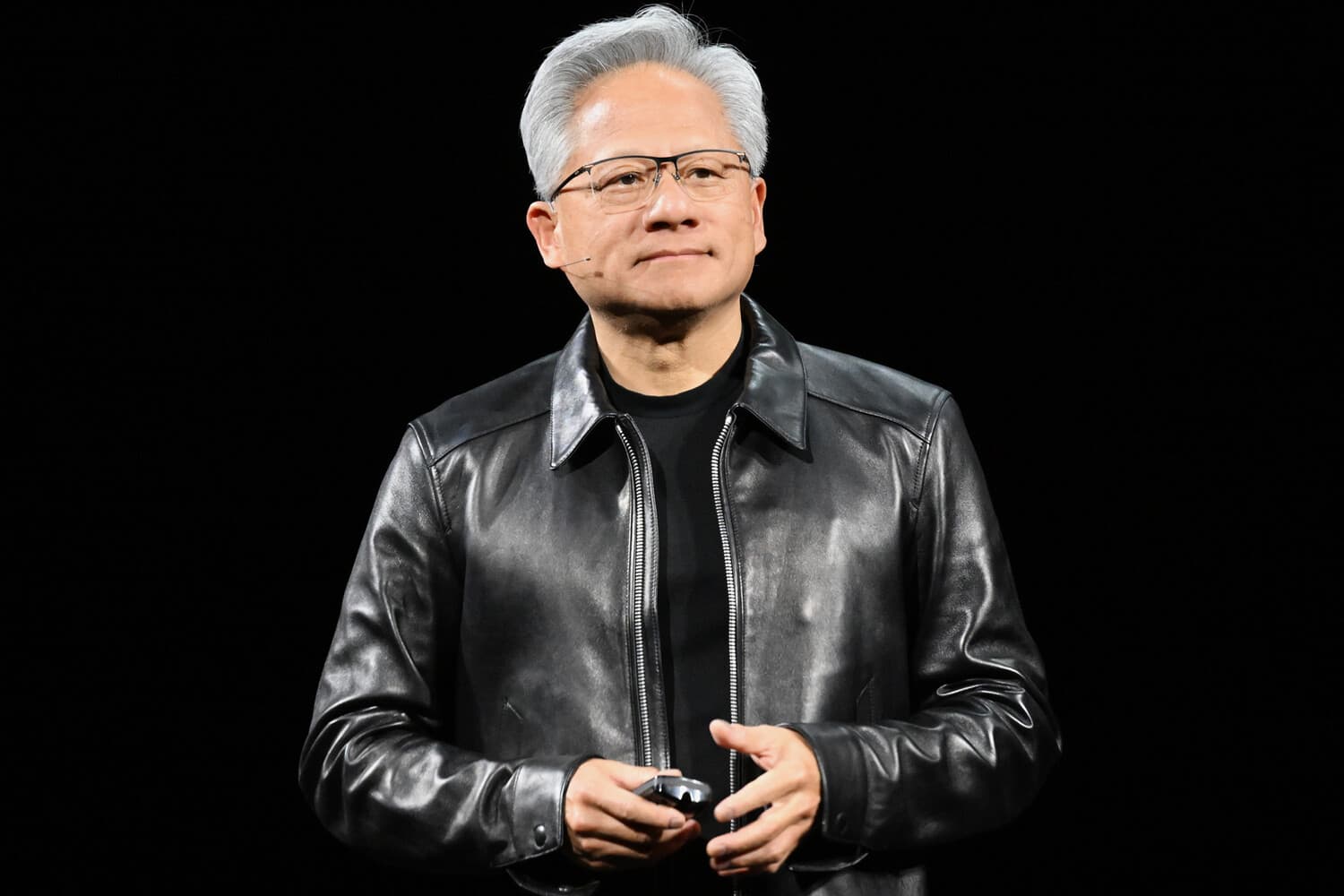
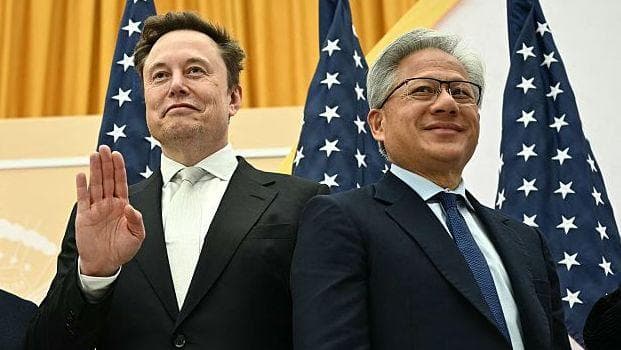
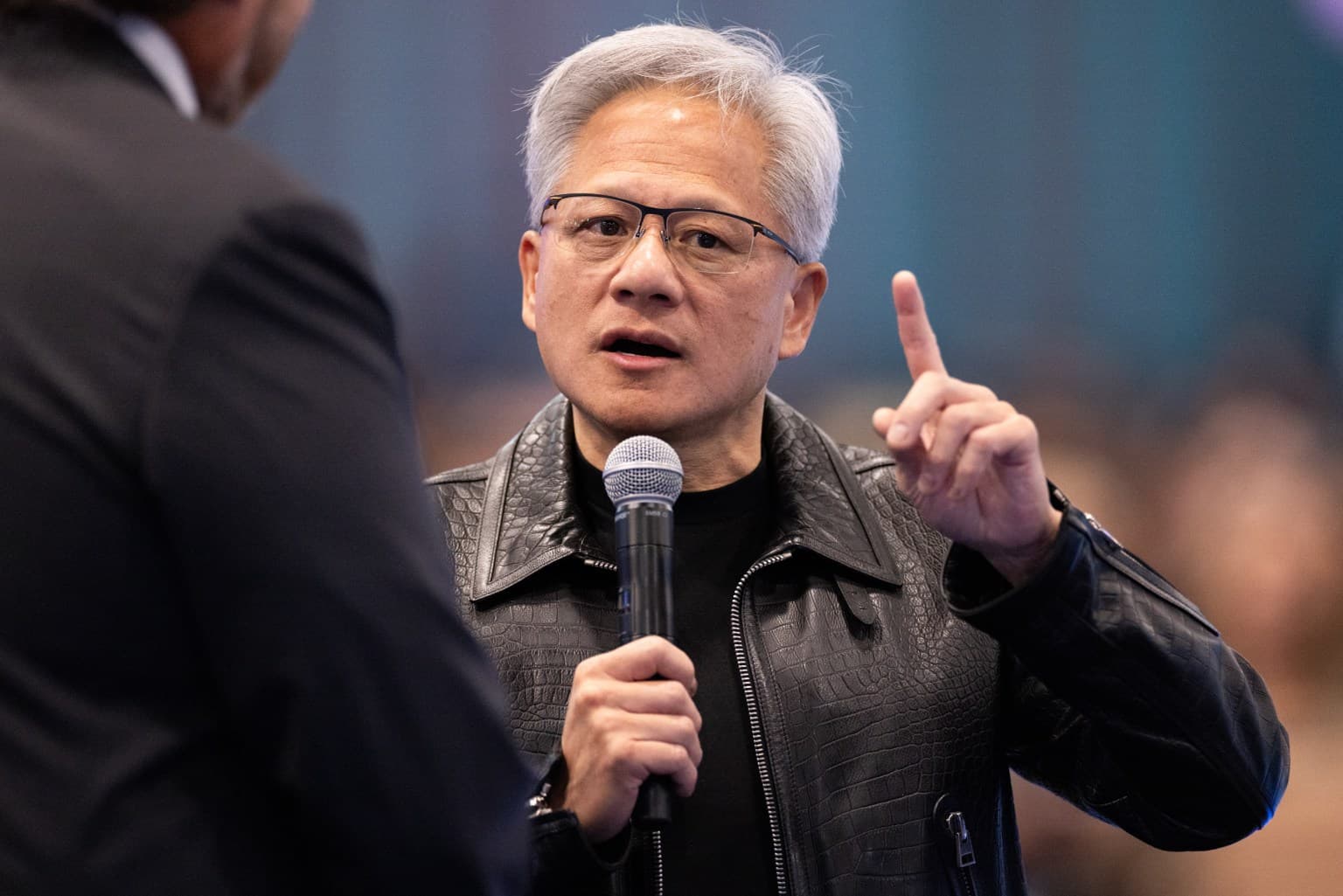
Jensen Huang resigned as CEO of Nvidia on Thursday. The trigger was publications about his relationship with a former top executive of Megaspeed, an Nvidia client suspected of ties to Chinese intelligence, followed by reports of another affair — with an employee of Nvidia itself. The co-hosts of TechCrunch's Equity podcast admit that the turn of events caught them off guard: Tim De Chant expected a resignation, but not this quickly, while Rebecca Bellan did not believe it would happen at all. Just a week earlier, the conversation's author, Anthony Ha, had placed Huang in the same category of 'irreplaceables' as Elon Musk.
Why everything accelerated
According to the discussion participants, part of the compromising information had long been known: a report questioning Huang's relationship with Alexis Huang had, by their account, been circulating for about a year, and warnings from the Trump administration about the connection with a person allegedly linked to Chinese intelligence, according to Bellan, did not prompt a reaction from the president. The turning point, in De Chant's assessment, was a Bloomberg report on November 9 that Nvidia's chief legal officer may have been involved in inquiries about the Commerce Department's investigation into Alexis Huang. After that, events unfolded like an avalanche: over the weekend Huang admitted the affair, the board of directors announced an investigation while stating that it retained confidence in him, and this week news of the second affair emerged.
Interim CEO and the question of trust
CFO Colette Kress, a longtime member of the board of directors, has taken over the company's leadership. The discussion participants viewed this appointment as 'interim': a signal that she will not stay in the role for long. Bellan linked the crisis to Huang's stance on exports: he advocated easing restrictions on chip shipments to China, which many consider a matter of US national security, since it would give Chinese AI companies access to powerful American chips. In her view, for Huang, selling more chips to 'anyone' mattered more than these risks. At the same time, as noted in the conversation, many would still like to see him return.
What is at stake for the AI industry
Huang's departure affects more than just Nvidia. Under his leadership, the company invested heavily in AI ecosystem startups and became one of the main players in the so-called 'circular AI economy,' simultaneously funding projects and providing them with infrastructure. According to figures cited in the discussion, Nvidia holds about 80% of the GPU market for AI, has reported $99 billion in investments, another $25 billion in commitments and $36 billion in cloud service commitments — including investments in CoreWeave, Nebius, OpenAI, Anthropic and major data center projects. If the company shifts into austerity mode and cuts these investments even slightly, the consequences for the industry could be dramatic — such is the assessment of the podcast participants. The fate of these investments without Huang remains an open question.