The key facts
- Key decisions in Iran are made by a six-member Supreme National Security Council led by President Pezeshkian
- Key decisions in Iran are made by six members of the Supreme National Security Council led by President Pezeshkian
- Mojtaba Khamenei is alive but in hiding; internal restrictions within the country have eased
- The economy contracted by 10% in the second quarter of 2026, and oil exports fell to one-sixth of pre-war levels
- The economy shrank by 10% in the second quarter of 2026, and oil exports fell to one-sixth of the pre-war level
Collective rule instead of a single arbiter
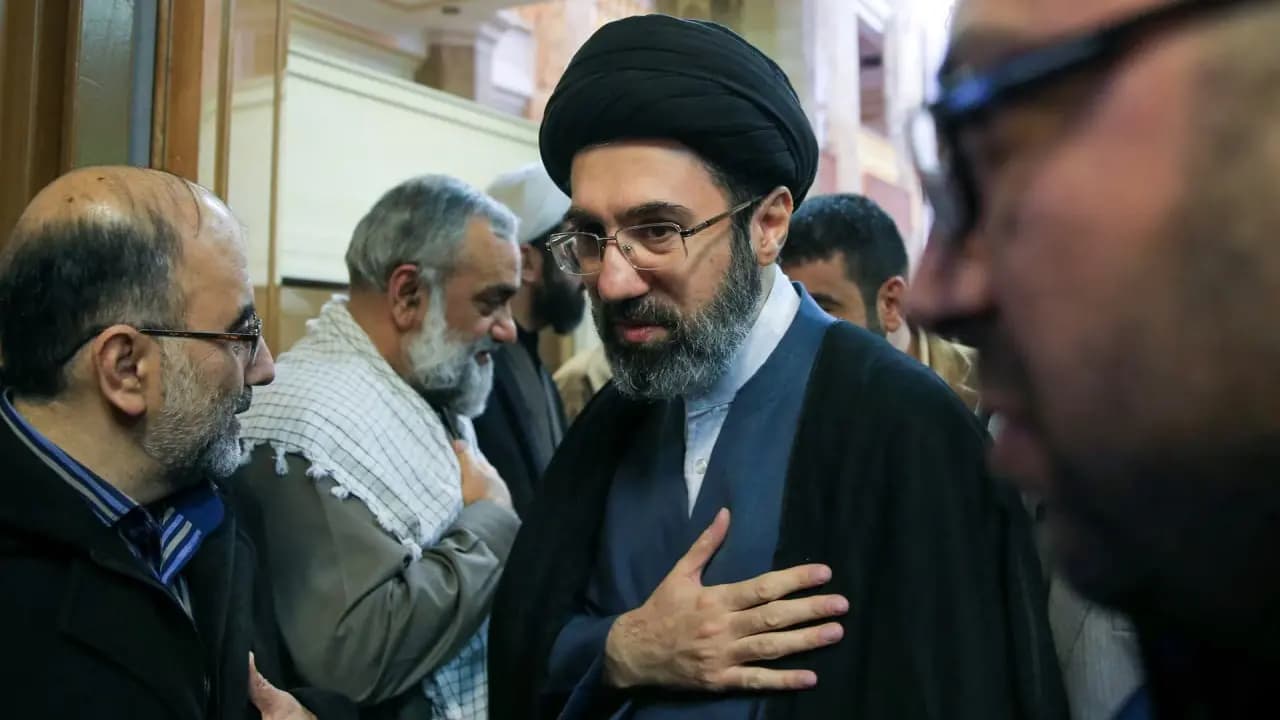
In February 2026, Iran's Supreme Leader Ayatollah Ali Khamenei, who controlled almost all aspects of the country's life, died. His place was formally taken by his son Mojtaba Khamenei, but due to injuries sustained during US and Israeli strikes and for security reasons, he has never appeared in public. This is reported by The Economist magazine in an article, summarized by the publication Daryo.uz; both Iranian officials and Western intelligence agencies confirm that Mojtaba is alive, but his whereabouts are kept strictly secret due to assassination threats.
The six making decisions
A key role in governance is played by a six-member group within the 13-member Supreme National Security Council, composed of generals and senior officials. 'A composition of six representatives from various structures, the security bloc, parliament, and government agencies makes all decisions through consensus,' stated President Masoud Pezeshkian, who is himself part of this group. Alongside him, the group includes IRGC Commander-in-Chief Major General Ahmad Vahidi, Security Council Secretary Mohsen Rezaei, Parliament Speaker Mohammad Bagher Ghalibaf, Chief of Staff Ali Abdollahi, and Foreign Minister Abbas Araghchi. It is collectively that issues of war and peace with the US, nuclear policy, and the appointment of the intelligence chief are decided.
What has changed inside the country
The absence of a single leader has noticeably weakened previous internal restrictions. 'The main change is that there is no longer a single arbiter who holds the final word and ultimate decision,' noted Sanam Vakil from the London-based think tank Chatham House. Previously, appointments to leadership positions in state television, ministries, and the judicial system were approved by the Supreme Leader's office, which employed 44,000 people; now, the executive branch operates much more freely. However, not all security forces obey the 'committee of six': internal security is concentrated in the hands of Hossein Taeb, a long-time ally of Mojtaba Khamenei, who heads the Basij and, according to The Economist's assessment, this year authorized the execution of approximately 700 people to intimidate potential protesters.
Economy under pressure but holding on
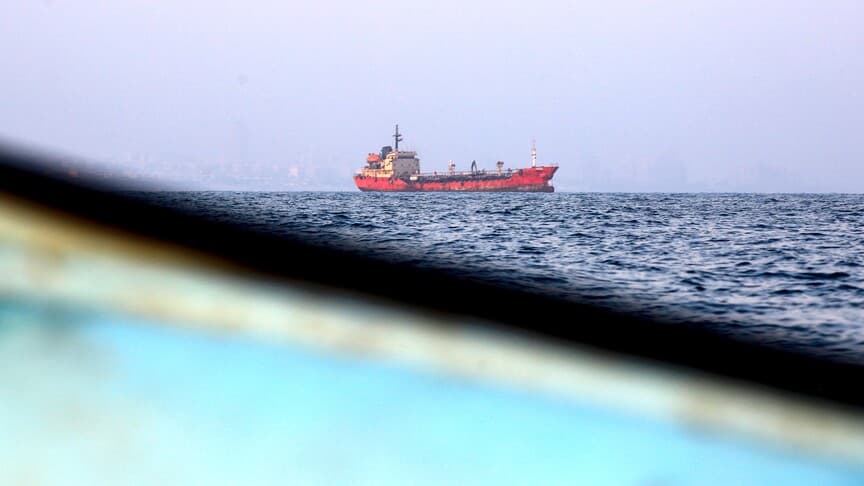
Pezeshkian has been tasked with overcoming the economic crisis. In the second quarter of 2026, the economy contracted by 10% year-on-year; after the war, unemployment rose by half a million, and the informal sector accounts for more than half of all jobs. Nevertheless, as the magazine notes, the president is performing better than many expected: electricity supply remains uninterrupted, eight freight trains daily run from Caspian ports to Tehran, gas supplies from Azerbaijan and Turkmenistan continue, and Iran exports gas to Turkey. Currency flows through the informal 'hawal' system in the UAE, and some tankers pay Iranian fees for passage through the Strait of Hormuz. However, oil exports have sharply declined: in September, they amounted to only 260,000 barrels per day—one-sixth of pre-war levels.
Signals to Washington and readiness for escalation
In matters of war and peace, the six, as the magazine describes, act more decisively and flexibly than the former supreme leader. On November 9, through Qatari diplomats, Tehran conveyed to the White House a proposal under which, if the US agrees, IAEA inspectors could return to the country within two days; Iran is also ready to abandon fees on ships in the Strait of Hormuz and not to break off negotiations even if Israel continues strikes on Lebanon. At the same time, the Security Council is considering blocking the strait for months — contrary to the position of the late Ayatollah Khamenei — and in September put forward seven 'non-negotiable' conditions for ending the conflict, including the lifting of sanctions, unfreezing of assets, and reparations. 'We will not allow a single particle of enriched nuclear material to be taken out of Iran,' said Mohsen Rezaei. Tehran also warned of possible attacks on American facilities in the region and US bases in Europe, and mentioned the risk of disabling undersea communication cables through the Strait of Hormuz, which would harm Jordan, Azerbaijan, and European countries.
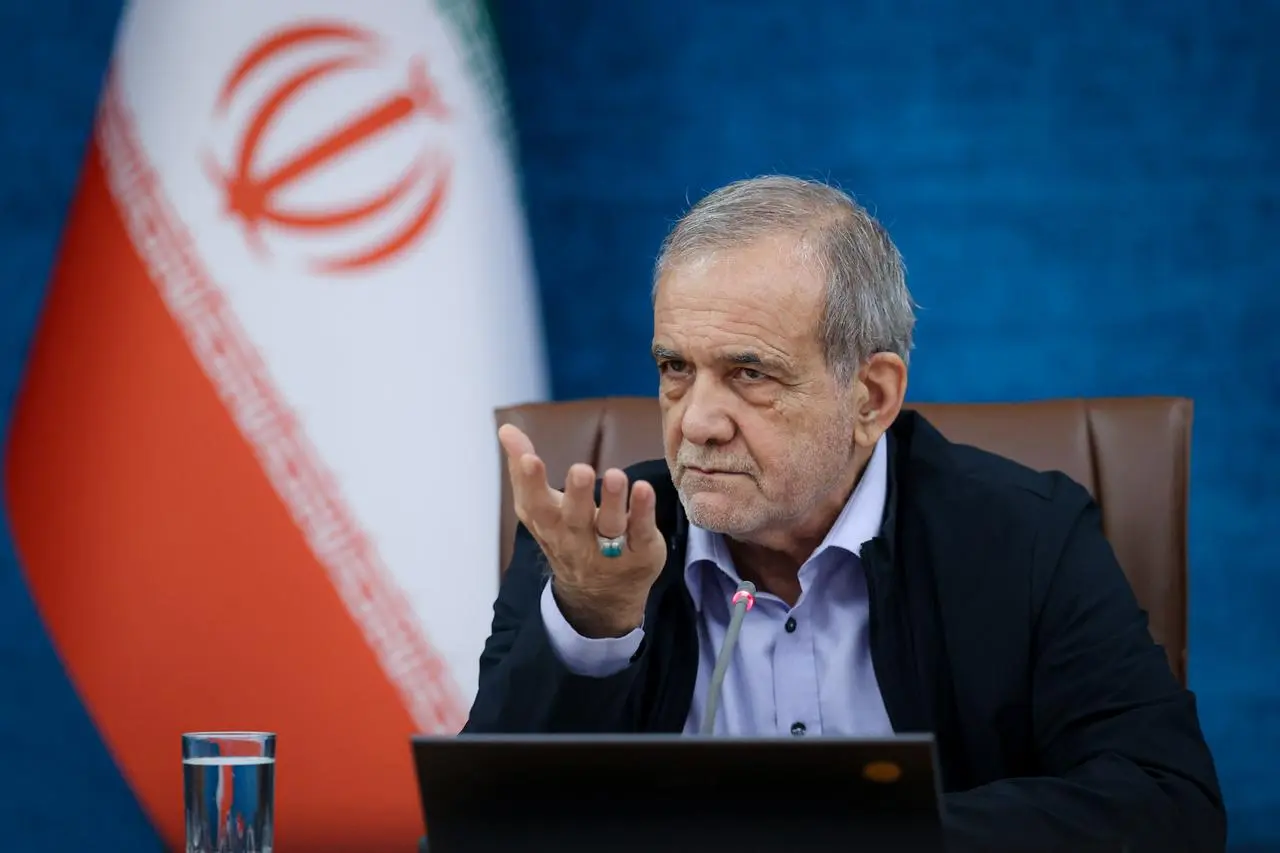
Photo: Iranian President Masoud Pezeshkian / Anadolu
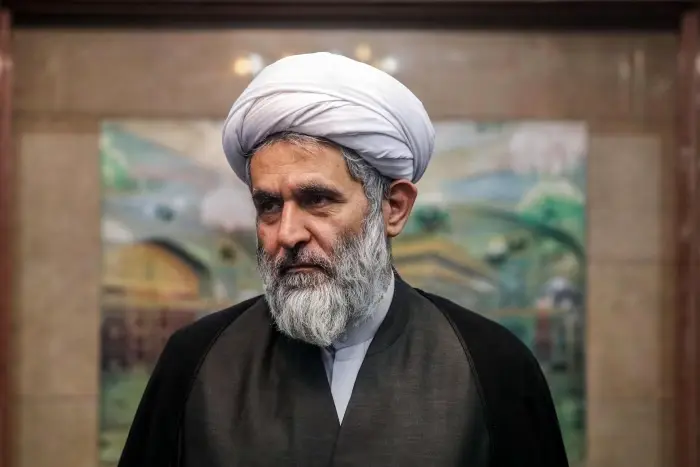
Photo: Hossein Taeb / Getty Images