The key facts
- France blamed the October 11–12 cyberattacks on the IRGC's 'Shahid Kaveh' unit
- The French Foreign Ministry estimated the damage at tens of millions of euros
- The IRGC called the accusations an Israeli 'false flag,' and Iran's Foreign Ministry rejected them as baseless
Exchange of Accusations Between Paris and Tehran
The Islamic Revolutionary Guard Corps (IRGC) on Saturday warned France, in its words, of an Israeli 'false flag' trap after Paris accused an Iranian cyber group of attacks on supermarket cooling systems. IRGC official spokesman Hossein Mohebbi called the accusations 'laughable' and said Israel was using them to stoke hostility toward Iran and win European support. 'Paris should beware of the false flag trap set by the Zionist regime,' he wrote on the X platform. Mohebbi also stated that, unlike the US and Israel, the IRGC does not include civilians among its targets.
What France Claims
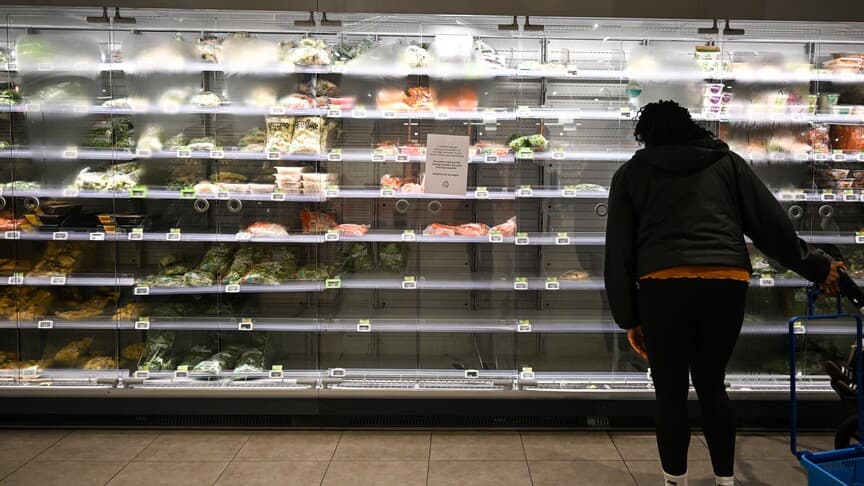
On Monday, the French government assigned responsibility for the attacks to the 'Shahid Kaveh' unit, associated with the IRGC's electronic warfare and cyber defense organization. According to the French Foreign Ministry, the attacks on the night of October 11–12 affected cooling control systems at more than 700 retail locations and caused significant damage, fires, and food losses amounting to tens of millions of euros. Paris also announced plans to summon Iran's ambassador and seek additional European sanctions against Iranian individuals and entities it says were involved.
Tehran's Reaction
Iran's Foreign Ministry on Tuesday rejected the accusations as baseless and said Tehran would take measures to protect its national interests and security from what it called unlawful foreign actions. Thus, the two sides remain at opposite positions: France links the attacks to a specific IRGC unit, while Iran denies involvement and shifts responsibility onto Israel. No independent confirmation of either version is reported in the available publications.