The key facts
- Companies behind chatbots can read users' conversations, and data-use practices are not always transparent
- 32% of users confessed things to a bot that they hid from loved ones (DuckDuckGo survey, August 2026)
- OpenAI reported more than 230 million weekly health questions in ChatGPT
A conversation with a bot is not a private conversation
The Kun.uz publication retold a piece by Wirecutter, a division of The New York Times, devoted to how AI companies handle users' personal data and how to keep conversations with chatbots confidential. The main takeaway: your exchanges with a bot are accessible to the company behind it, and how that data is used is not always clear. The author, Max Eddy, notes that many bots keep the dialogue open and nudge users to keep talking: “Such interactions immediately feel trusting, sometimes to an alarming degree. It does not pass without a trace.”
What the numbers say
Two studies cited in the piece illustrate the scale of trust in bots. In August 2026, DuckDuckGo published the results of a survey of roughly 2,000 Americans: 32% of users had told an AI things they had hidden even from their closest people. In addition, OpenAI previously reported that in early 2026 more than 230 million people asked ChatGPT health-related questions every week. This means that sensitive information — from family secrets to medical symptoms — regularly ends up in systems where it is processed by commercial companies.
Convenience in exchange for data
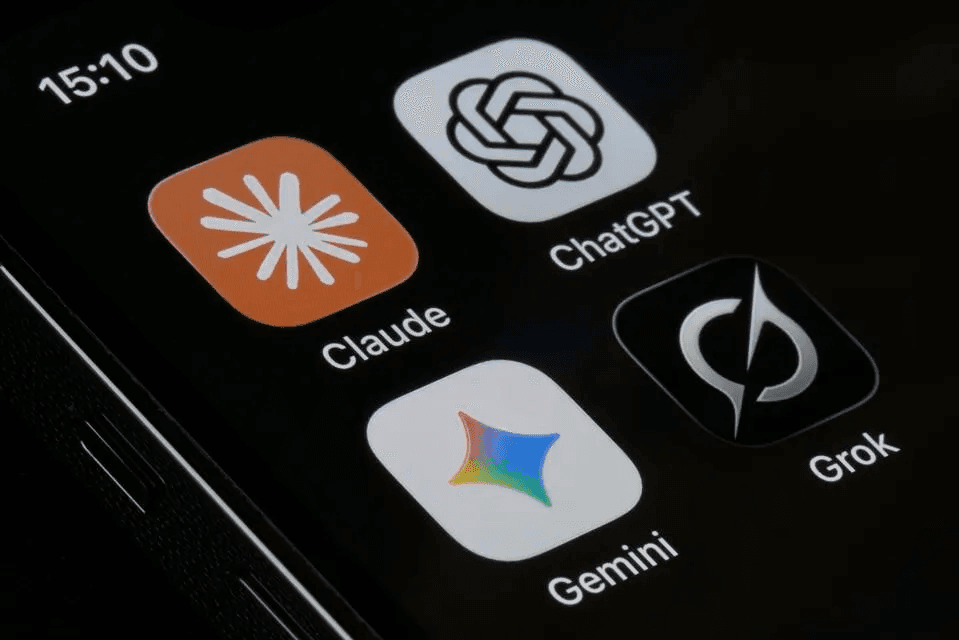
The most popular bots — Claude from Anthropic, Gemini from Google and ChatGPT from OpenAI — directly or indirectly encourage users to share personal data, because the quality of answers depends on it. When planning a trip, a bot is more helpful if you specify the number of travelers, whether children are coming and which airport is convenient. At the same time, as Wirecutter notes, all three companies include warnings in their documents discouraging users from sharing personal data. Google's wording is the most candid: “Please don't enter confidential information that you wouldn't want reviewers to see or that you don't want used to improve Google services.” The practical takeaway from the piece: the quality of a bot's advice — including medical advice — is not guaranteed, and the information you share should be weighed against the fact that the company may see and use it.