The key facts
- Apple and OpenEvidence launched a research app for US users over 21 with iPhone 15 or newer
- Answers are based on clinical sources: NEJM, JAMA, Nature
- Up to 200,000 participants, the study will last more than 12 months; data is anonymized and deleted after 24 hours
What Apple launched
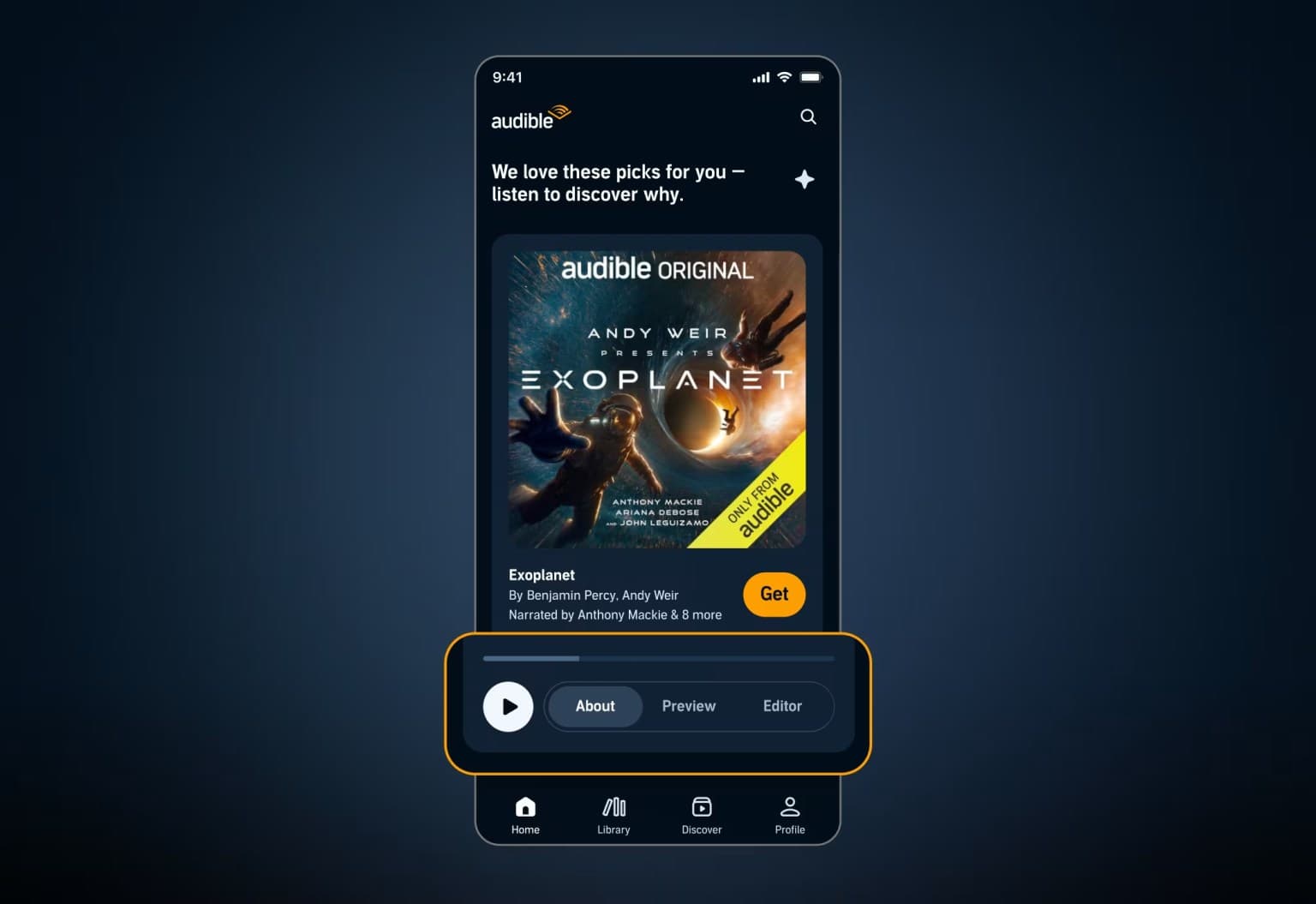
Apple has begun a new study focused on how people use artificial intelligence to address health questions. To do this, the company partnered with the medical AI startup OpenEvidence and released a separate research app. Unlike OpenAI and Anthropic, which already offer chatbots with specialized features for medical queries, Apple is not launching a commercial product yet, but instead wants to study how clinically grounded answers can help people.
Who can participate and how the app works
Users from the US over the age of 21 with an iPhone 15 or newer, running iOS 26 or later and with Apple Intelligence enabled, are invited to participate. Apple expects to enroll up to 200,000 participants and run the study for more than 12 months. The app allows users to ask health questions — much like ChatGPT or Claude — but the answers are based on clinical data from sources such as The New England Journal of Medicine, the Journal of the American Medical Association, and Nature, simplified for everyday medical questions. Users can rate answers and leave feedback, as well as take part in monthly surveys.
Data and privacy
Participants can share HealthKit data — resting heart rate, activity, sleep, or lab results — for more personalized guidance. According to Apple, the app also helps users better prepare for a doctor's visit and directs them to specific specialists when concerning medical questions arise. Data is anonymized before being sent to a secure third-party cloud service, is not used to train AI models, and OpenEvidence deletes request and response data after 24 hours.
Statements and plans
Apple's vice president of health and fitness, Sumbul Desai, said the company believes responsible innovation begins with scientific rigor and clinical validity, and that a standalone study is the most thoughtful way to understand how people interact with medical AI in everyday life. The app is already available for download to users in the US. It remains unclear whether Apple plans to integrate AI answers into the Health app or Siri. The potential of this direction is significant: earlier this year, OpenAI reported that users ask more than 300 million health questions per week.