The key facts
- A failure at a facility in El Dorado, Arkansas caused Friday's flight halt; controllers safely landed more than 3,500 aircraft
- Duffy expects a return to normal operations by Monday; airlines need time to return aircraft and crews
- No signs of a cyberattack found; a review of contractor L3Harris equipment is underway, funding for modernization has been requested
Return to normal operations and the outcome of the flight halt
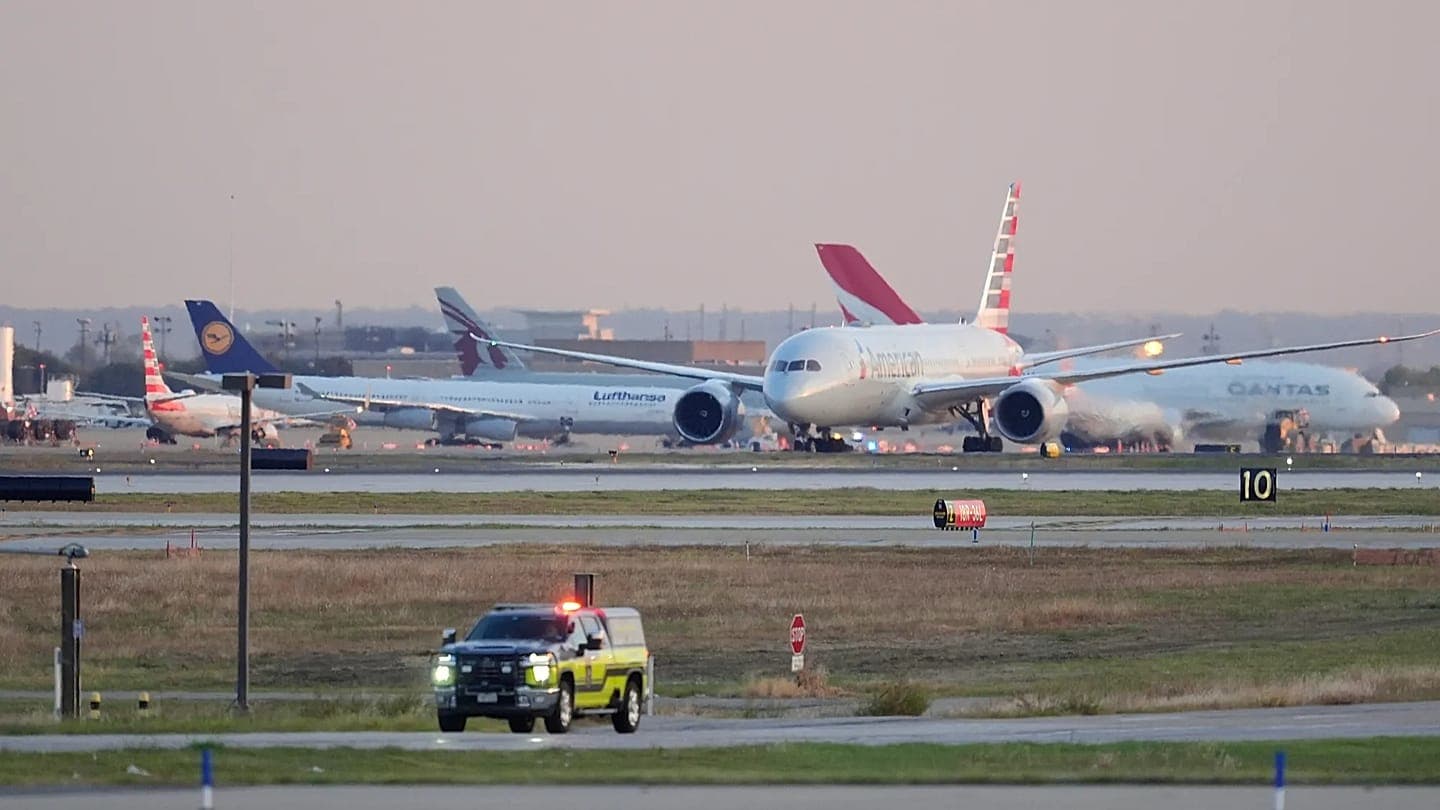
US Transportation Secretary Sean Duffy said on Sunday, November 15, that nationwide air traffic would return to normal by Monday after a communications failure that triggered a nationwide ground stop of flights on Friday. He told NBC News in an interview, explaining that airlines need time to return displaced aircraft and crews to their positions. According to him, the national airspace remains safe: during the halt, controllers safely landed more than 3,500 aircraft.
Cause of the failure and review of the contractor
Duffy linked the failure to a long-range radio communications facility in El Dorado, Arkansas: while switching from an old telecommunications line to fiber optics, a router flooded the system with a stream of data. He noted that part of the Federal Aviation Administration (FAA) still uses routers purchased in 2001 that became obsolete two decades ago. According to him, investigators are determining whether the data surge resulted from equipment failure or installation errors by the contractor L3Harris. No signs of a cyberattack have been found — following consultations convened by President Donald Trump with intelligence agencies — however, the Transportation Department will continue working with the FBI on the matter.
Request for telecommunications modernization
Duffy explained that Washington cannot immediately sever ties with L3Harris, as the contractor owns the legacy communications network, and urged Congress to allocate billions of dollars for a new architecture with private operators AT&T, Verizon, and Lumen. The agency had previously already received $12.5 billion for aviation modernization, but, according to the secretary, lawmakers tied those funds strictly to radars, radio stations, and physical control centers, not to telecommunications and software. Duffy warned that the failed outdated equipment will keep breaking down without a 'complete overhaul of the system,' which he estimates at roughly $50 billion. On Sunday, Trump also called on Congress to quickly approve funding for a comprehensive modernization of the air traffic control system.