The key facts
- FAA grounded nearly all US departures on November 13 due to communication and radar system failures
- Trump and Duffy are requesting approximately $50 billion for a full system overhaul; $12.5 billion has already been allocated
- Democrats are questioning the increased cost and the utilization of previously allocated funds
A failure that halted the entire country
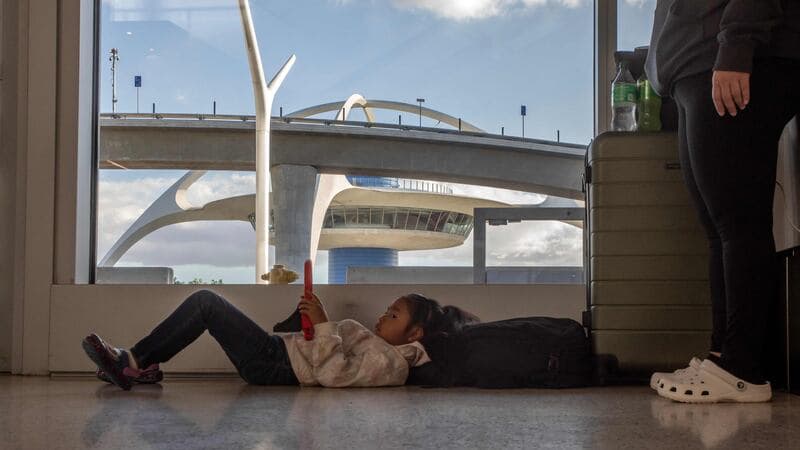
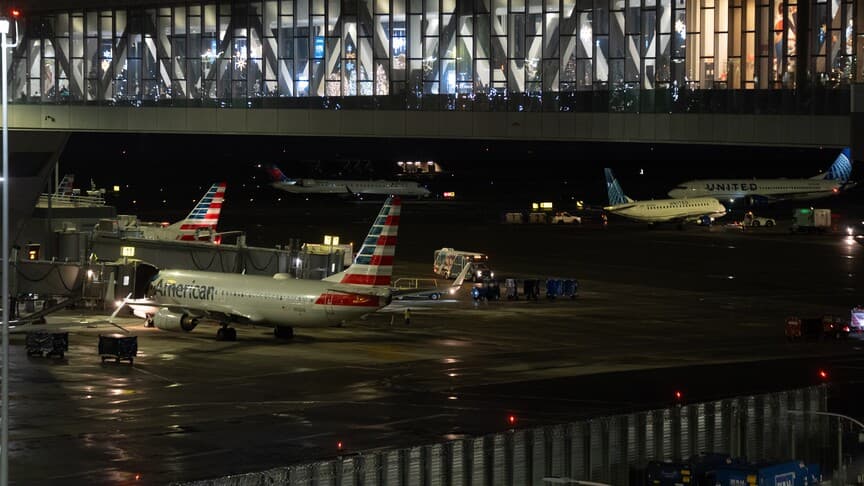
On Friday, November 13, the US Federal Aviation Administration (FAA) implemented a nationwide ground stop: due to intermittent failures in communication and radar systems, nearly all departing flights were halted for several hours. Thousands of flights were cancelled, and, according to euronews, passengers across the country are still struggling to return home while investigators clarify the details of the incident.
What caused the failure
According to authorities, the failure occurred during scheduled maintenance work by contractor L3Harris at a remote facility in El Dorado (Arkansas), where old copper communication lines were being replaced with fiber optics. When a new router was activated, a malfunction occurred at a facility in Amarillo (Texas), which cascaded into a flight stoppage. The FAA reported that an 'excessive volume of data' flooded the system — approximately 1,000 connection attempts every four to five seconds, which destabilized communication channels with aircraft and radar data; the network stabilized after the contractor blocked both facilities.
Trump asks for money, Democrats demand a report
Donald Trump, who had not commented on the incident for two days, spoke on Truth Social on Sunday, urging Congress to urgently approve 'urgently needed' funds to replace the system, a significant portion of which, he said, has been in operation for 50 years. He stated that work has already begun but must be completed 'all at once, not drop by drop,' blaming the Joe Biden administration for the delay in modernization. Transportation Secretary Sean Duffy, who appeared on five talk shows on Sunday, warned that outdated equipment would continue to fail without a 'complete system overhaul,' estimating its cost at approximately $50 billion, and promised to submit an expanded funding request to Congress on Monday.
How much has already been allocated and what is the dispute
As euronews notes, Congress has already allocated $12.5 billion in 2025 for the modernization of FAA systems, some of which date back to the 1960s; the first phase is scheduled to be completed by December 2028, and FAA Administrator Brian Bedford told legislators as early as September that the second phase would cost at least another $10 billion. Democrats support the upgrade but are questioning the price: House Transportation Committee members Rick Larsen and Andre Carson, in a joint statement, demanded to 'explain to Congress again why additional funds are needed,' noting that most of last year's appropriations remain unspent. Meanwhile, Duffy stated that authorities are 'generally confident' that this was not a cyberattack — intelligence agencies found no expected signs — and that flights should resume at full capacity by Monday, although clearing the accumulated delays may take time.
Why this matters beyond the US
The US has the world's busiest airspace: the FAA handles approximately 45,000 flights per day, so even a short nationwide ground stop affects connections and long-haul routes far beyond American airports. According to euronews, the funding dispute foreshadows stricter control by Democrats, who will take control of Congress in January.