The key facts
- Ali al-Zaidi dismissed nine officials and ordered all suspects in the fuel smuggling case in Jurf al-Nasr (Babil) referred to court
- The committee confirmed the Federal Intelligence report on smuggling and the existence of oil refining installations
- The governor of Babil had earlier resigned; the area is controlled by Kataib Hezbollah and remains closed to displaced residents
Dismissals and Court Referrals After an Emergency Session
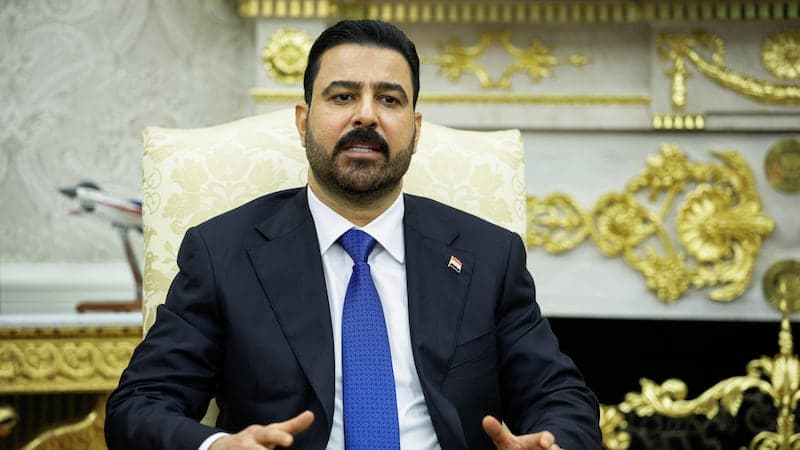
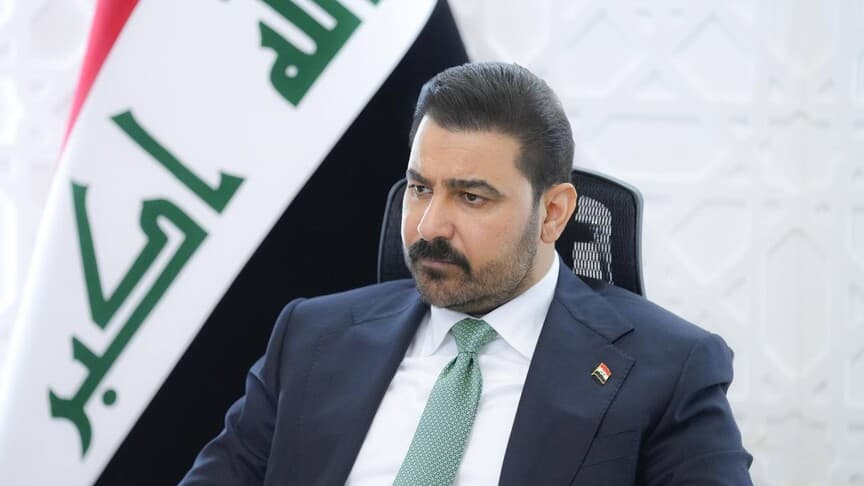
Iraqi Prime Minister Ali al-Zaidi on Saturday dismissed nine senior officials and ordered that all suspects in the case of petroleum product smuggling in the Jurf al-Nasr area in northern Babil province be referred to the judiciary. The decision was taken after an emergency security session convened to review the findings of the investigative committee. Among those dismissed were the police chief of Babil, the police director of northern Babil, the heads of the provincial intelligence and counterterrorism directorates of the Interior Ministry, the National Security Service, the Defense Ministry's intelligence, the commander of the Popular Mobilization Forces in the province, the commander of the Interior Ministry's 6th Energy Police Brigade, and the director of the Oil Ministry's Pipelines Company.
What the Committee Established
According to armed forces spokesman Sabah al-Numan, the committee confirmed the credibility of the federal intelligence report on fuel smuggling, recorded the presence of oil refining installations and documented cases of interference with infrastructure. The committee began field work on Friday, two days after al-Zaidi ordered its creation. Saad Maan, head of the media security cell, said that political groups and armed factions were not part of the committee. The prime minister instructed operations commanders, police leadership and intelligence chiefs to bear personal responsibility for oil smuggling in their areas and warned that officials failing to perform their duties would be held accountable. 'There will be not an inch of land in Iraq where smuggling is allowed to continue — from Zakho to Basra,' al-Zaidi said.
Background: Intelligence Report Leak and Governor's Resignation
The case began with the leak, as reported by Iraqi media, of a 19-page intelligence assessment in which the alleged smuggling was dated to 2021; the document relied on satellite imagery, geospatial analysis and fuel tanker movements, and publications citing it claimed the involvement of armed factions. According to this assessment, between 2021 and 2026 illegal extraction was recorded near pipelines passing through Jurf al-Sakhr, and at four sites fuel tankers with a capacity of 36,000 liters regularly appeared, which, as the report stated, were under the control and protection of an 'armed faction.' The governor of Babil, Ali Turki al-Jamali, announced on Thursday that he was submitting his resignation without giving reasons; two days earlier he had denied reports of smuggling after a visit to the site with journalists, describing the facility as an old refueling station for the Popular Mobilization Forces and federal police.
Political Context
The Jurf al-Sakhr area (Jurf al-Nasr), located about 60 km southwest of Baghdad, is controlled by the Iran-aligned group Kataib Hezbollah, which is part of the Popular Mobilization Forces and is designated a terrorist organization by the United States; the area was retaken from ISIS by Iraqi forces in 2014 and has since remained under strict restrictions, with many displaced Sunni residents never returning. The investigation unfolds against the backdrop of al-Zaidi's broader campaign to bring armed factions under state control: the initial plan envisaged the start of this process by September 30, but the timeline has been shifted — the process, as expected, will not begin before June 30, 2027. Only three groups declared their weapons subject to state authority — Asaib Ahl al-Haq, Kataib Imam Ali and Saraya al-Salam — while Kataib Hezbollah and Harakat Hezbollah al-Nujaba publicly refuse to disarm. A separate investigation has been opened into the alleged smuggling of crude oil from Kirkuk and the Kurdistan Region through Iran to Afghanistan. The official statement on referring the suspects to court did not mention Kataib Hezbollah, and the number of suspects was not specified.