The key facts
- Government spokesman Haider al-Abudi said the deadline for Kataib Hezbollah to leave Jurf an-Nasr is 'not far off,' but gave no date
- The commission found tampering with pipelines, two refineries, a tanker truck, and storage tanks; the group denies the accusations
- Prime Minister Ali al-Zaidi suspended nine officials, including the Babil police chief and the provincial commander of the Popular Mobilization Forces (Al-Hashd al-Shaabi)
Ultimatum to Armed Group
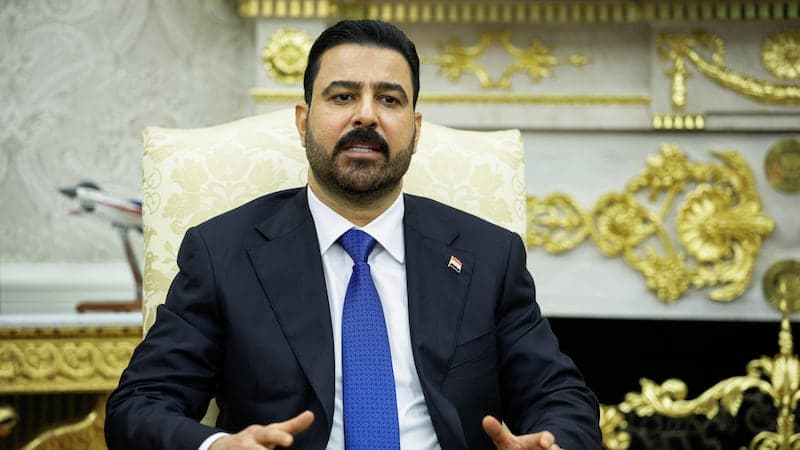
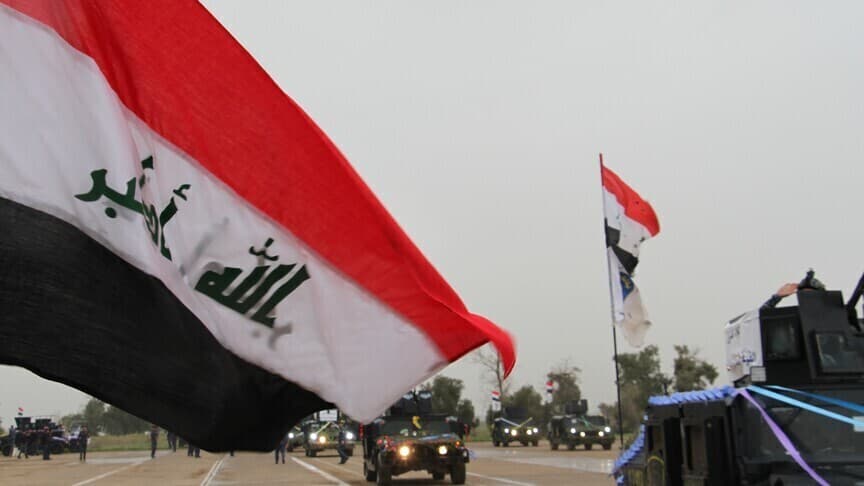
Iraqi authorities have set a deadline by which the Kataib Hezbollah group must leave the Jurf an-Nasr area (also known as Jurf al-Sakhr) in the central province of Babil, and have ordered armed forces to be deployed there. The decision was announced on Monday by official government spokesman Haider al-Abudi in an interview with the Iraqi News Agency (INA). 'There is a deadline for the armed group to leave Jurf an-Nasr, and this deadline is not far off,' he said, without specifying either the expiration date or the timing of the troop deployment.
What the Investigation Revealed
According to al-Abudi, Prime Minister Ali al-Zaidi's orders followed an intelligence agency report in which alleged oil smuggling was detected through an electronic monitoring program. A high-level investigative commission examined six sites named in the report. 'The investigative commission found clear tampering with the pipelines passing through this area, as well as attempts to bury and conceal traces of this tampering,' the government spokesman said. According to him, investigators also identified two oil refining facilities, a tanker truck, and storage tanks.
The Group's Denial and Measures Taken
Kataib Hezbollah on Sunday rejected the oil smuggling accusations, stating that the inspection found no tampering with pipelines and that the facilities in the area supply fuel for military equipment. Thus, the two sides diverge on the most crucial assessment of the inspection results: the government speaks of discovered traces of tampering, while the group says there are none.
Dismissals and Expansion of the Investigation
Al-Zaidi ordered the formation of the investigative commission on November 11, and after reviewing its findings on Saturday suspended nine employees of security and administrative agencies, including the Babil police chief and the commander of the provincial command of the Popular Mobilization Forces (Al-Hashd al-Shaabi). The prime minister referred the case and those involved to the judiciary and tasked the Integrity Commission with participating in the investigation. Security agencies were also instructed to prevent tanker trucks carrying oil or petroleum products from leaving the area.
Investigation Extends Beyond the Area
Al-Abudi emphasized that the investigation is not limited to Jurf an-Nasr and covers other areas where alleged smuggling has been detected. He reported coordination with the Kurdistan Regional Government and signs of cooperation with security personnel assigned by the federal government for the investigation. According to him, regional forces operate within Iraq's constitutional framework, and anyone who obstructs the work of security personnel will be held accountable under the law. 'There is a possibility of deploying army forces to areas of the Kurdish region,' he said, without announcing a corresponding order. Earlier, on Friday, the Iraqi oil police announced the creation of a special unit in the south of the country to patrol and protect the oil pipeline network.