The key facts
- Al-Zaidi and Faiq Zidan discussed legal measures in the oil smuggling case in Jafr al-Sakhar
- A leaked intelligence document revealed four illegal extraction sites with 36,000-liter tankers
- Authorities are considering deploying security forces to the area, hoping to avoid the use of force
PM's Meeting with the Head of the Judiciary
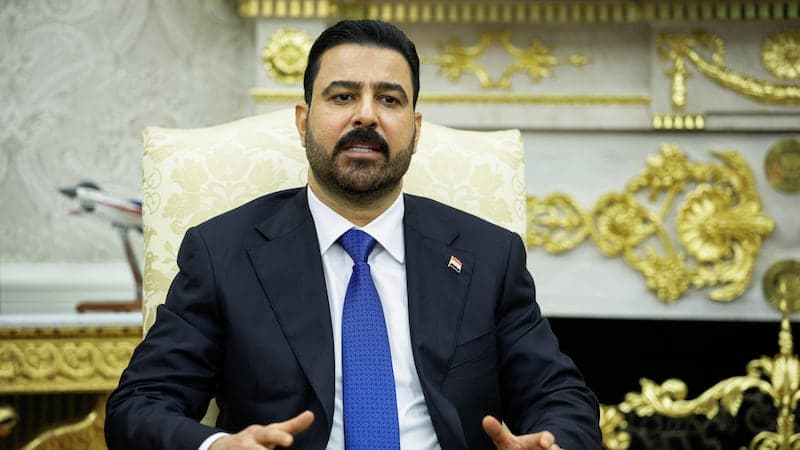
Iraqi Prime Minister Ali al-Zaidi met on Monday with the president of the Supreme Judicial Council, Faiq Zidan, to discuss the oil smuggling case in the Jafr al-Sakhar area. According to the Iraqi state agency INA, the discussion concerned 'the issue of oil smuggling and the legal measures needed to prevent encroachments on public funds.' The meeting was preceded by talks on Sunday evening, where the progress of the case was reviewed; participants included the army chief of staff as well as senior representatives of the interior ministry, intelligence, federal police, and the Popular Mobilization Forces.
What the Leak Revealed
The case was prompted by the leak of an intelligence report documenting organized oil theft in Jafr al-Sakhar since 2021. Based on satellite imagery from 2021–2026, the report recorded illegal extraction near pipelines and identified four sites where large 36,000-liter tankers regularly appeared. According to the report, these sites were under the control and protection of an 'armed faction.' The investigative commission, after a site visit, confirmed the report's findings, after which al-Zaidi ordered all smuggling suspects to be referred to the judicial authorities.
The Fate of the Area and Tensions with Iran-Aligned Groups
Jafr al-Sakhar, also known as Jafr al-Nasr, is located about 60 km southwest of Baghdad and administratively belongs to Babil province. The area was retaken from ISIS in 2014 and has since remained largely closed to displaced Sunni residents; it is controlled by Kataib Hezbollah, an Iran-aligned faction with brigades within the Popular Mobilization Forces, designated by the US as a terrorist organization. Government spokesman Haider al-Abudi said on Sunday that Iraqi security agencies may soon enter the area to restore control over security, adding that Baghdad hopes to avoid the use of force but intends to put an end to the smuggling. Earlier, there were reports that al-Zaidi had set a deadline for the group's withdrawal. The case unfolds against the backdrop of the government's campaign to disarm Iran-aligned formations: the deadline for factions to surrender weapons had already been pushed to next year. In a statement following Sunday's talks, the case was described as 'an encroachment on the sovereignty of the state and an attack on the public funds and resources of the Iraqi people,' with a demand for full accountability; disciplinary measures against commanders of a number of military and security units were also discussed.