The key facts
- Iran's IRGC claimed a strike by six drones on a US air defense radar at Riffa air base; Bahrain's army reported intercepting the attacks
- This is the second strike on Bahrain claimed by Iran in a week; earlier CENTCOM reported intercepting two drones
- The GCC called the attack a 'clear challenge' to peace efforts, Qatar called it a 'dangerous escalation'; shipping through the Strait of Hormuz remains restricted
Attack on Bahrain and conflicting assessments of its outcome
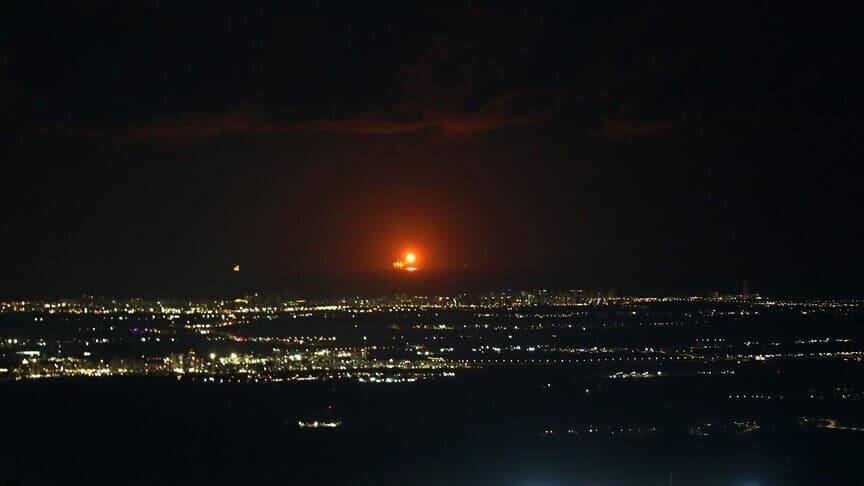
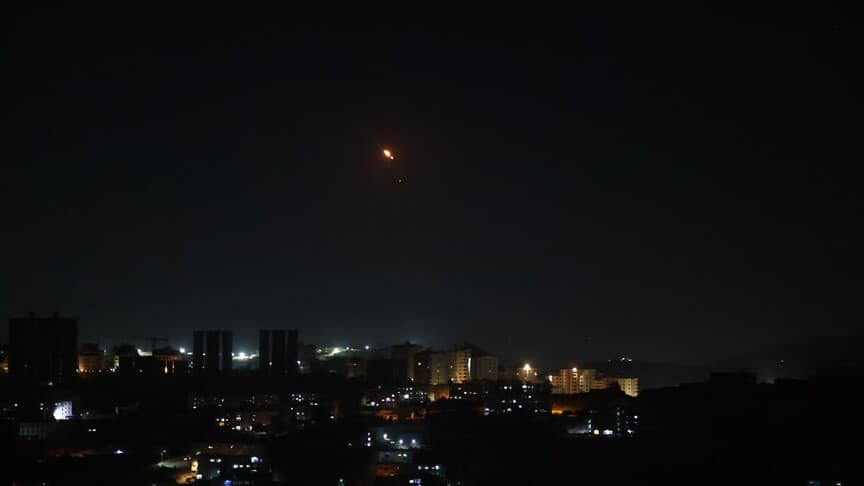
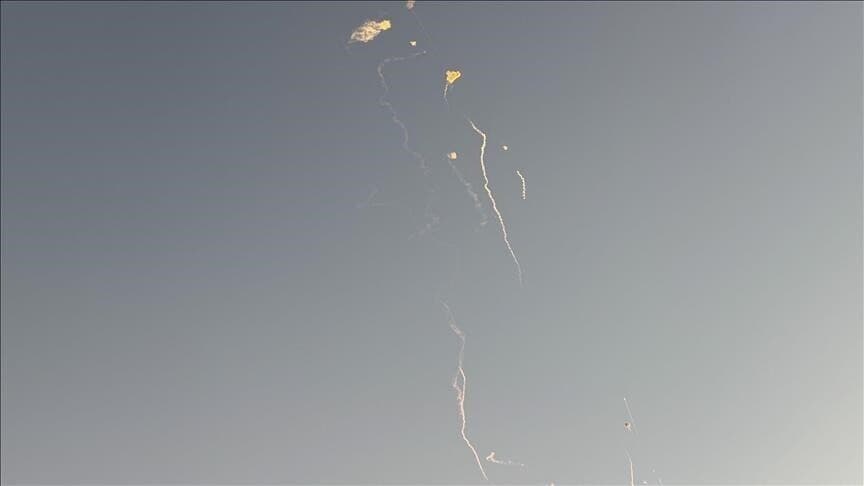
Early on Sunday, before 5 a.m., emergency alerts urging residents to find a 'safe place' went off in Bahrain for the first time in several months. Bahrain's army said it had intercepted 'several Iranian air attacks' and that the drones were destroyed before reaching their targets. The Islamic Revolutionary Guard Corps (IRGC) claimed responsibility: its aerospace forces, according to the statement, launched six drones at a US air defense radar at Riffa air base and achieved a 'precise and successful hit.' Thus, the sides gave opposite assessments of the strike's outcome, and no independent confirmation of either is available in the reports at hand.
Second strike in a week and the regional reaction
This is already the second case in a week in which Iran claims an attack on Bahrain: on Friday the IRGC reported destroying an American early-warning radar, though US Central Command (CENTCOM) said at the time that it intercepted two drones launched by Iran. The strikes ended a lull in attacks across the Persian Gulf region. GCC Secretary-General Jasem al-Budaiwi called the attack a 'clear challenge' to regional peace efforts and a 'direct threat' due to 'Iran's insistence on repeating attacks.' Qatar, one of the main mediators between the US and Iran, described the strikes as a 'dangerous escalation' capable of 'undermining political and diplomatic efforts' to restore stability in the Middle East.
Context: talks deadlock and the Strait of Hormuz
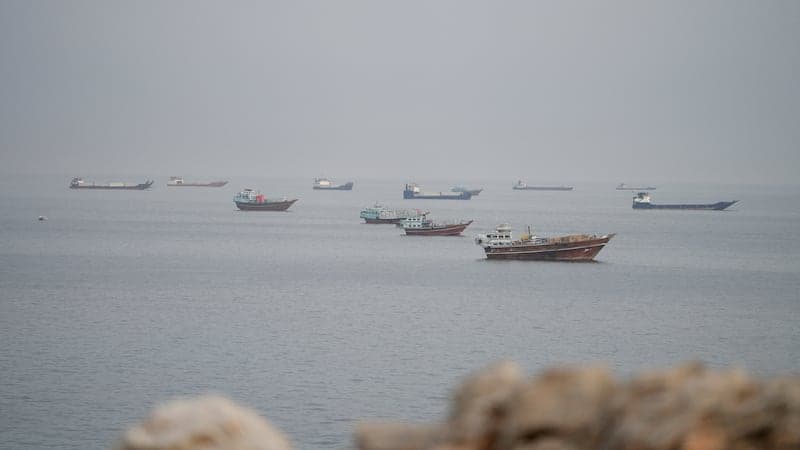
The conflict began with US and Israeli strikes in February; diplomatic efforts to end it have so far produced no breakthrough. On Tuesday, Iran's Foreign Minister Abbas Araghchi is due to visit Muscat for talks with his Omani counterpart. Expectations of a major new US and Israeli offensive against Iran after the autumn elections have so far not materialized, but US President Donald Trump unsettled markets last week by saying that a deal with Iran is not needed. The outcome of the uncertain talks has been a situation in which shipping through the Strait of Hormuz remains severely restricted. The IRGC's naval forces said on Sunday that one oil tanker sank and a second was damaged after hitting naval mines in the strait; according to them, the tankers suffered a 'massive explosion' after their tracking systems were switched off. There is no independent verification of these claims. Most Gulf stock exchanges closed lower on Sunday: Saudi Arabia's index fell 0.7%, Qatar's by 1.8%.
Gulf militarization and events in Yemen
In the initial phase of the war, Iran launched thousands of drones and missiles at US allies in the region, including the UAE, Bahrain, Saudi Arabia, Qatar and Kuwait; the unprecedented attacks pushed the Gulf states toward closer military cooperation — last week the GCC defense ministers approved a new joint command center in Kuwait. Iran's parliament speaker Mohammad Bagher Ghalibaf said on Sunday that the path to ending the conflict is open if the US accepts Iran's 'logical conditions,' adding that Tehran will not remain in a state of 'neither war nor peace' and warning that its armed forces 'will determine the geography of the battle' if Washington resumes strikes. Regional tensions were heightened by events in Yemen: Saudi air defenses destroyed two Houthi drones over the Mecca region, while forces allied to Yemen's internationally recognized government announced a withdrawal from the Bab el-Mandeb strait area for the sake of 'prioritizing the security of the capital Aden and neighboring governorates.' This withdrawal may strengthen Houthi control over the sea corridor used as an alternative route for oil exports while the Strait of Hormuz is restricted.