The key facts
- About 15% of all advent calendars are beauty sets, especially popular with the 18–34 audience
- Skims offered a full refund for its $148 calendar after criticism on social media
- Consumers increasingly assess the sets pragmatically: reselling, swapping, and trying products in small volumes
The Growing Market for Beauty Calendars
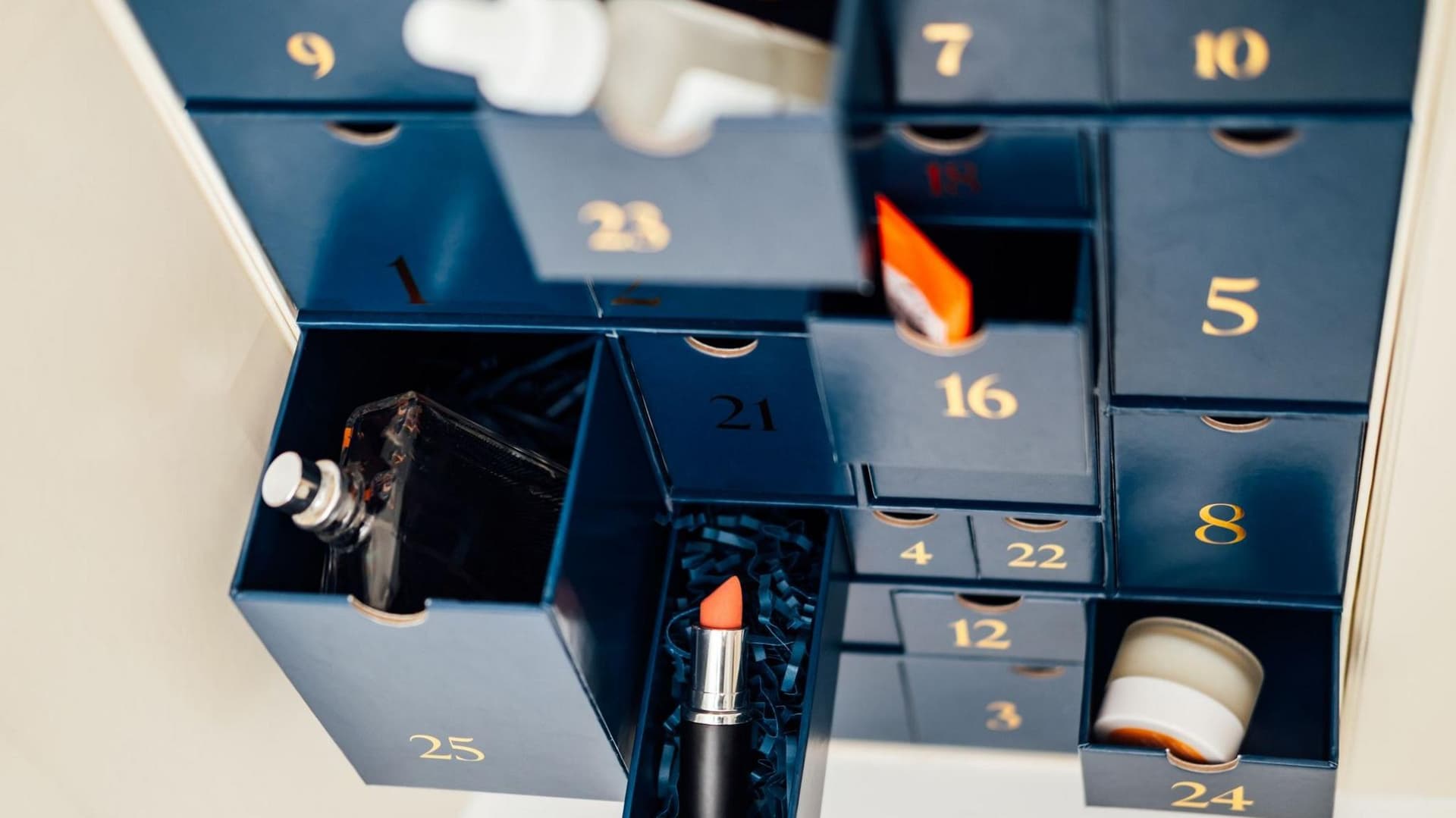
Beauty advent calendars, often priced above £100, have been sold for more than a decade, and their marketing is becoming increasingly sophisticated: brands warn of the risk of sell-outs, while influencers' unboxing videos create a sense of surprise and stoke demand. According to Ipsos, about 15% of all advent calendars sold are cosmetics-based, and the 18–34 audience is particularly willing to spend money on them.
The Skims Scandal
This week, Kim Kardashian's beauty brand Skims offered all buyers a refund for its $148 (£110) calendar after widespread criticism on social media: customers compared the contents — hair clips, hair ties and keychains — to things one might find under sofa cushions. The scandal has pushed more buyers toward a pragmatic approach: the main question when purchasing is whether you would actually use what's inside.
How Buyers Calculate the Value
The buyers interviewed approach calendars in different ways. Julia, a 39-year-old commercial manager, spent £160 last year on a Space NK fragrance calendar: the scents she wanted cost her noticeably less than the recommended retail price, and she resold the ones she disliked at a small markup. This year she bought the John Lewis fragrance calendar for £99 and joined a Facebook group where members swap items they didn't like. By her calculations, the scents she kept work out cheaper per millilitre than retail.
Scepticism and Criticism
Other respondents are more sceptical. Fashion journalist Priya Raj, 30, rarely buys such calendars because of the price and considers their main advantage the chance to try products in small volumes before the Christmas sales. Podcaster Rheya Somaiya believes some brands 'take the consumer for granted', filling calendars with small, unnecessary items. Marketing consultant Jessica Jasper thinks the purchase can be justified but notes that 'some brands go a bit overboard with pricing'. Professor of philosophy and beauty industry expert Heather Widdows points out that while you might have bought individual products from the calendar, it is highly unlikely you would have bought all of them — and using everything inside is nearly impossible, so in her view such sets are 'probably not worth it'.
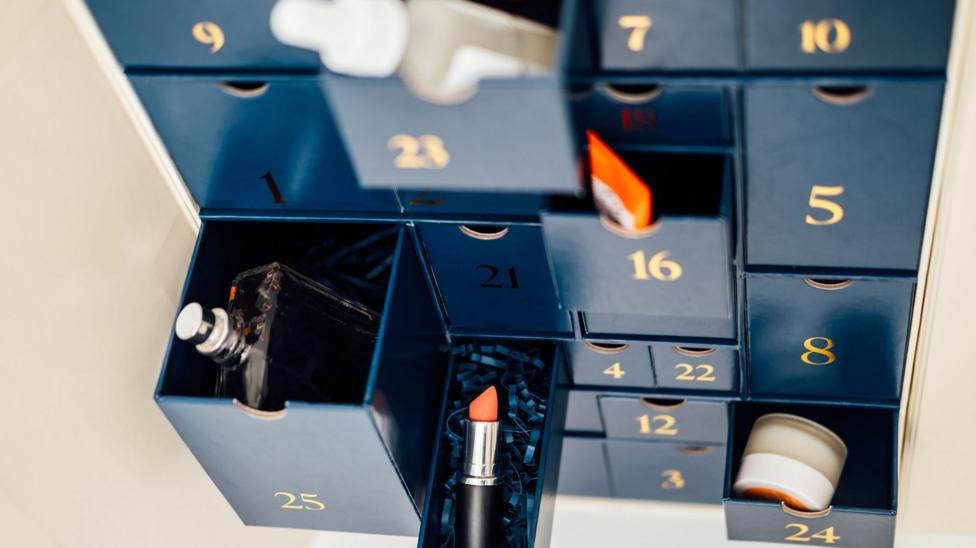 Image source, Getty Images
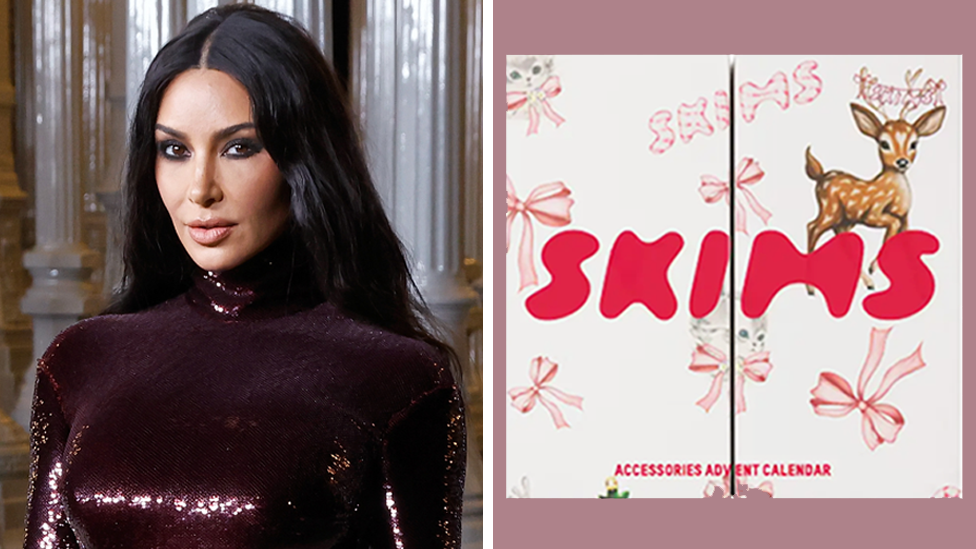 Image source, Getty Images/Skims
Customers likened the contents of Kim Kardashian's Skims calendar to something you would find down the back of a sofa
 Image source, Supplied
Julia, 39, says she thinks fragrance calendars are usually good value for money
 Image source, Supplied
Priya Raj, 30, a fashion journalist, says the calendars
 Image source, Supplied
Podcaster Rhea Somaiya, 28, is less keen on the calendars and says they leave consumers
 Image source, Supplied
Some brands are getting a little carried away with the pricing,