
The key facts
- Almost a million young people in the UK — one in eight aged 16–24 — fall into the Neet category: not in education, employment or training.
- At Sandbach High School careers lessons take place every two weeks from Year 10; according to the headteacher, since the careers education reform not a single school leaver has become Neet.
- An independent review by Alan Milburn is expected to propose measures to get young people into work, including a bigger role for schools in preparing them for employment.
Interview lessons in Year 10
At Sandbach High School and Sixth Form College in Cheshire, 14–15-year-old pupils in Year 10 practise the skills they will need when entering the labour market: they hold mock interviews with each other, work on a confident handshake and eye contact, and rehearse answers to typical questions such as 'When did you last work in a team?' and 'Tell me about a mistake at work'. Later lessons cover writing a CV and workers' rights. These careers sessions take place every two weeks alongside regular subjects.
A school where leavers do not become Neet
Careers teacher Paisley Charlton says the aim of the lessons is pupils' readiness for the workplace: confidence in interviews, finding work placements, and the ability to talk about themselves positively. Since the overhaul of careers education a couple of years ago, she says, not a single school leaver has ended up Neet at 18. Careers are embedded from the very start: in Year 7 there is 'speed networking' with local employers, and every lesson applies nine 'employability principles', including resilience and problem-solving. Headteacher Ellen Walton calls this a moral duty: the school 'tries very hard' to ensure all leavers end up in education, work or training.
The scale of the problem and the expected Milburn review
According to the latest estimates, almost a million young people in the UK — one in eight aged 16–24 — are not in education, employment or training (Neet). Prime Minister Andy Burnham has called such figures both a 'moral failure' and an 'economic catastrophe'. This week, a major independent review conducted by former health secretary Alan Milburn is expected to be published, with recommendations on how to get more young people into work. Part of the welfare system changes has already been announced; schools are expected to make greater efforts to produce 'work-ready' leavers, and the new recommendations will come on top of already announced plans to allow pupils in England to choose new vocational GCSEs from the age of 14.
Why careers lessons alone are not enough
Schools and colleges in England are legally required to have a careers programme and to follow the updated Gatsby Benchmarks; Beth Jones of the Gatsby Foundation, which developed the guidance, notes that the more benchmarks a school meets, the less likely its pupils are to become Neet. But, as the BBC points out, careers education is only part of the solution. In his interim report, Milburn noted that the system can already predict, as early as age four, 'who is at greatest risk of failure': a child starting school without basic school-readiness skills is almost three times more likely to be Neet by 16–17; also at risk are pupils with special educational needs, from poor families, and with mental health problems. The Institute for Fiscal Studies warns that a 'one-size-fits-all approach' is unlikely to work, and the key question for the government will be the scale of investment in the short term for future returns.
The view of charities and the pupils themselves
Other schools bring in external organisations, such as the charity Youth Careers Collective, which works with dozens of schools in London. Its head Matt Lent says the organisation 'acts as a bridge between schools and business', but warns that work preparation will not solve the Neet crisis — employers must also take responsibility for creating accessible opportunities, and he 'hopes' the Milburn review will take this into account. The pupils themselves view the lessons positively: 14-year-old Athi says she has learned to introduce herself when entering a room, something she previously did not think necessary; her classmate Mayla believes Year 10 is 'not too early' to practise, since in two years many will start looking for part-time jobs. 15-year-old Riley, who dreams of acting or working with animals, says the lessons 'prepare me for the future'.
 Image source, BBC/Ann Gannon
Ati - in her cadet uniform - says she has valued learning the art of a good job interview, including how to introduce herself
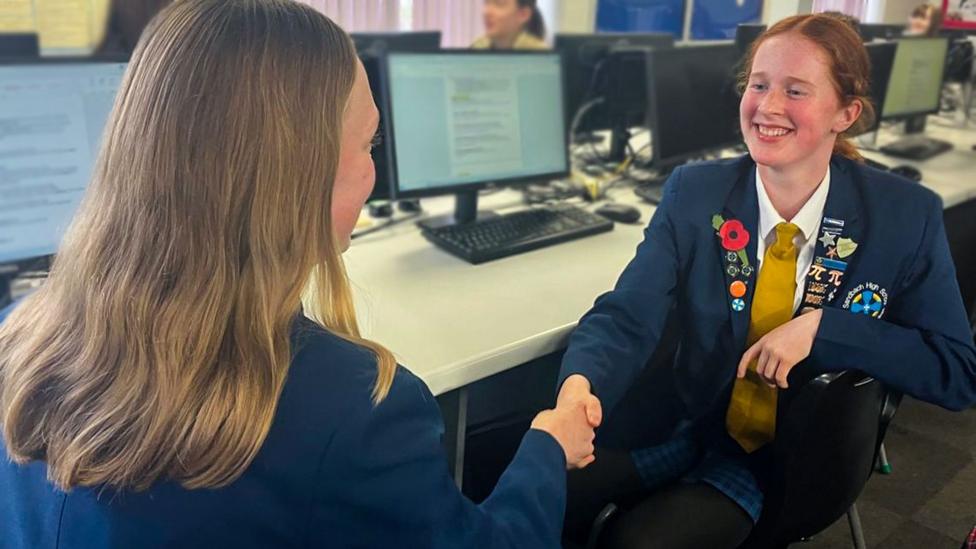 Image source, BBC/Kate McGough
Pupils at Sandbach High School and Sixth Form College, in Cheshire, learn how to do a good job interview from Year 10
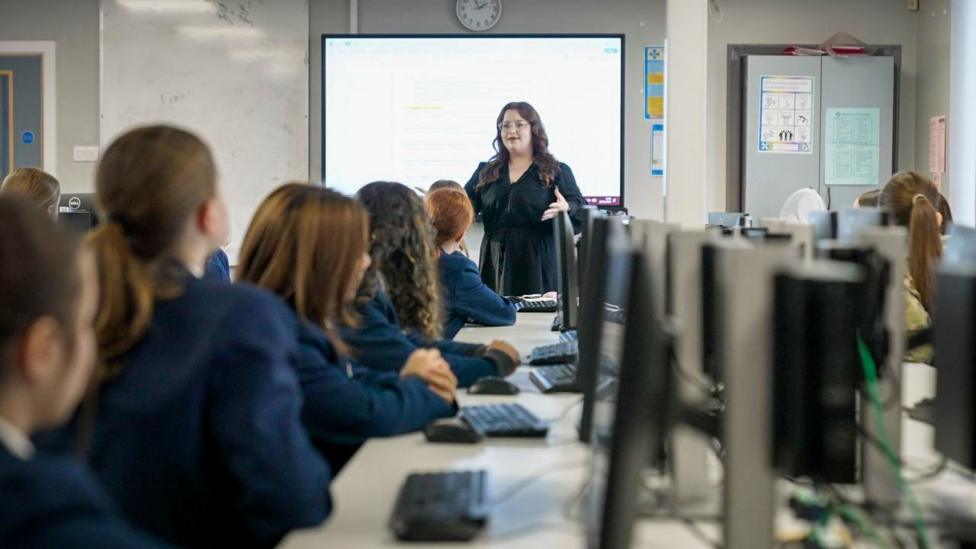 Image source, BBC/Ann Gannon
Careers teacher Paisley Charlton is teaching employability skills to prepare pupils for the world of work
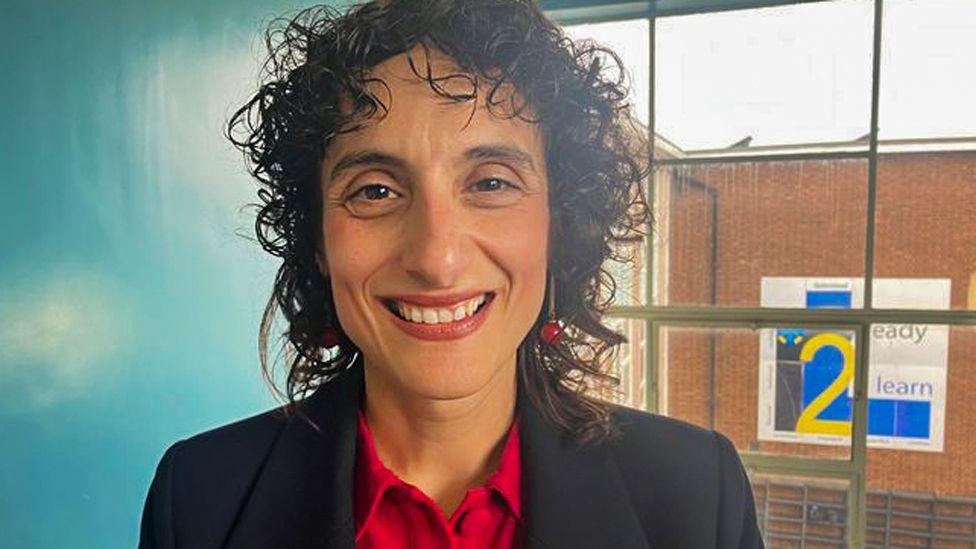 Image source, BBC/Kate McGough
Head teacher Ellen Walton says her staff
 Image source, BBC/Ann Gannon
Riley, 15, says she feels more prepared for the future after her practice job interview