The key facts
- Between January and September, 832 billion soums in withheld wages were recovered on behalf of nearly 35,000 workers
- More than 15,000 inspections were conducted and over 36,000 violations identified; fines amounted to 22 billion soums
- Administrative protocols were drawn up in 15 cases of overtime work and 47 cases of forced labor
Labor inspectorate recovered 832 billion soums for workers over nine months
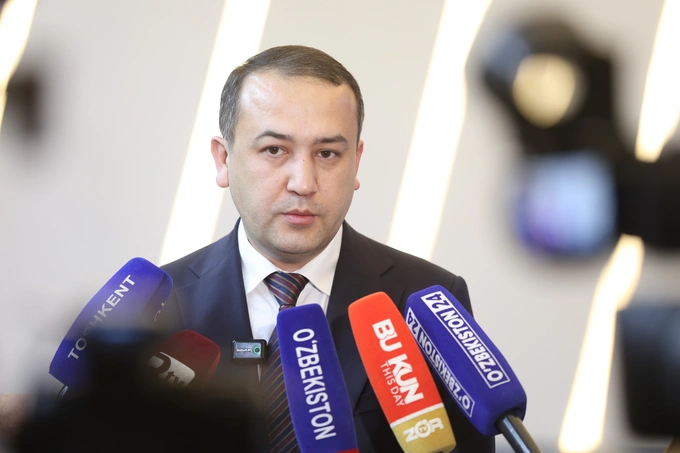
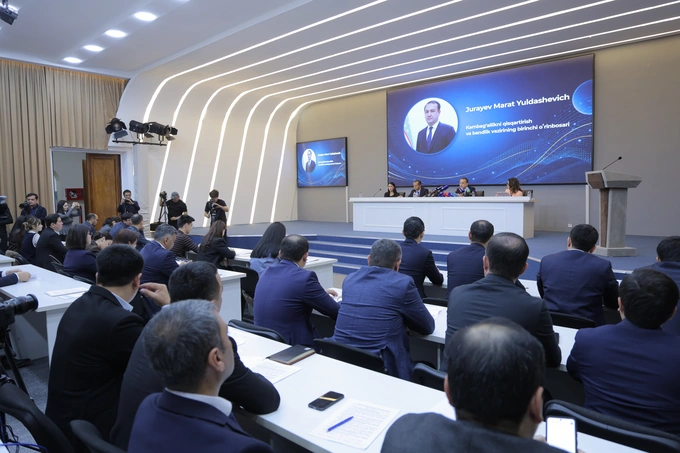
The State Labor Inspectorate recovered 832 billion soums in withheld wages on behalf of workers between January and September of this year — nearly 35,000 employees received the money. First Deputy Minister of Poverty Reduction and Employment Marat Zhurayev announced these figures at a press conference on October 28 at the Content Preparation Center. Over the reporting period, the inspectorate conducted more than 15,000 inspections, identified over 36,000 violations of labor legislation, and reviewed about 20,000 complaints. Written orders were issued to employers to remedy violations, and the total amount of administrative fines imposed on officials amounted to 22 billion soums.
Where labor law is most often violated
The bulk of violations occurred in education, construction, industry, and agriculture. Among them were 3,742 cases of incorrect data entry into the Unified National Labor System, as well as violations related to wage payments, timely employee training, granting of leave, and workplace safety briefings. To monitor compliance with the law, the inspectorate uses several mechanisms: a schedule of scheduled inspections is approved annually, ministries and agencies are inspected once every three years, and separate oversight programs apply to construction, catering, and agriculture. In addition, an electronic risk analysis system has been introduced: when a risk of violation is detected, the employer receives a warning through a personal account in the Unified National Labor System. Once a quarter, the inspectorate publishes an analysis of violations by sector in the form of infographics.
Overtime and forced labor
At the press conference, journalists raised the issue of government employees being summoned to meetings early in the morning, after working hours, or on weekends. According to Marat Zhurayev, over nine months, administrative liability measures were taken in 15 cases of requiring employees to work beyond working hours. “The labor inspectorate's approach to this issue is strict. Even if information circulating on social media was not confirmed during an inspection, but it is established that conditions for such a situation were created, warning letters are sent to territorial leaders,” he said. In cases of forced involvement of teachers and other specialists in landscaping and cleaning of territories, administrative protocols were drawn up against 47 more employers and responsible persons. Among the officials held accountable, according to the deputy minister, there are representatives of district and regional khokimiyats, ministries, and their territorial departments; in government bodies, human resources staff may also bear responsibility. Zhurayev did not disclose which specific organizations were fined.
Wage arrears — almost entirely a private sector problem
According to Zhurayev, the total monthly payroll in Uzbekistan amounts to 272 trillion soums, and about 99% of complaints to the inspectorate about wage recovery concern business entities. “In the system of government bodies, wage delays are practically not observed. For some entrepreneurs, due to financial and economic difficulties, wages may be paid late or in a smaller amount,” he explained. In such cases, workers turn to the inspectorate for practical assistance in recovering the funds.