The key facts
- The UN plan for Sudan requires $2.9 billion; only 47% has been raised
- Of the 15.4 million people in need of shelter and basic items, only 10% have received aid
- According to UNHCR, drones killed at least 1,120 civilians in the first half of 2026
Aid funding for Sudan is shrinking sharply
The International Organization for Migration (IOM) and UNHCR have warned of serious funding gaps that have depleted stocks of emergency shelter and basic household items intended for Sudan. In a joint statement, the organizations said that the UN humanitarian needs and response plan for Sudan requires $2.9 billion, designed to help 20.4 million people, but only 47% of the necessary funds have been raised. Without the urgent provision of flexible funding, they said, even more families will be left without adequate protection from extreme weather, insecurity, violence and exploitation.
The scale of the crisis
In total, 33.7 million people in the war- and famine-stricken country need humanitarian aid. Of the 15.4 million people in need of emergency shelter and basic household items, the organizations have been able to help only 10% due to lack of funding. More than three and a half years after the war began between the Sudanese Armed Forces (SAF) and the paramilitary Rapid Support Forces (RSF), Sudan remains the world's largest humanitarian and displacement crisis: about 8.6 million people have fled within the country, more than 4.6 million to neighboring countries, and another 5.2 million have returned to their destroyed regions of origin despite the ongoing war. The death toll is estimated at between 40,000 and 250,000; exact figures are unavailable due to ongoing fighting, satellite communication restrictions and the departure of many observers.
Donors are cutting contributions
Ivo Körner, a Sudan specialist at Caritas International, criticized the international community in a comment to Deutsche Welle for sharply reducing aid: according to him, the world is seeing a dramatic drop in humanitarian aid funding, and not only the US has cut contributions — Germany and the European Union are also providing significantly less than four to five years ago. Caritas projects in Sudan in 2026 are funded exclusively by private donations. Marina Peter, head of the 'Sudan and South Sudan' forum in Germany, noted that in a large part of the country people have been cut off from humanitarian aid since the war began, and that people are returning from neighboring countries because rations in refugee camps have been sharply reduced.
Dispute over famine and calls from the international community
On October 23, the United Kingdom and 31 other international partners, including Germany, issued a joint statement on the looming famine: according to their data, 19.5 million people — about 41% of the population — suffer from acute food shortages. The parties called on the warring sides to ensure unimpeded access for humanitarian aid and to refrain from strikes on civilian infrastructure, and also demanded increased international funding. Marina Peter saw a contradiction in this: most of the signatories have themselves systematically cut humanitarian aid funding, so the appeal to the donor community is ultimately addressed to those very states. The government in Khartoum led by General Abdel Fattah al-Burhan, for its part, rejects warnings of famine: in a statement on October 26, it claims the food situation is 'reassuring' and that the warnings from Western countries are a politicization of the humanitarian situation. Peter called this statement 'truly cynical' and noted that the claim of unrestricted access for humanitarian organizations does not reflect reality.
Drone strikes heighten dangers
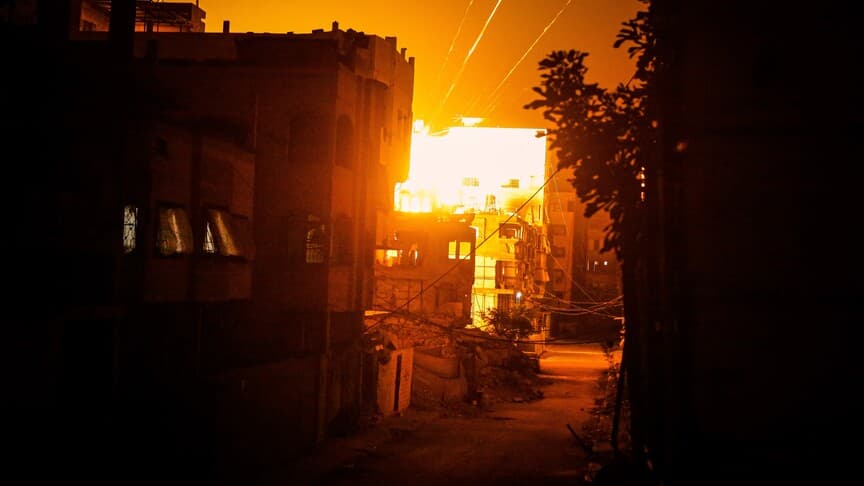
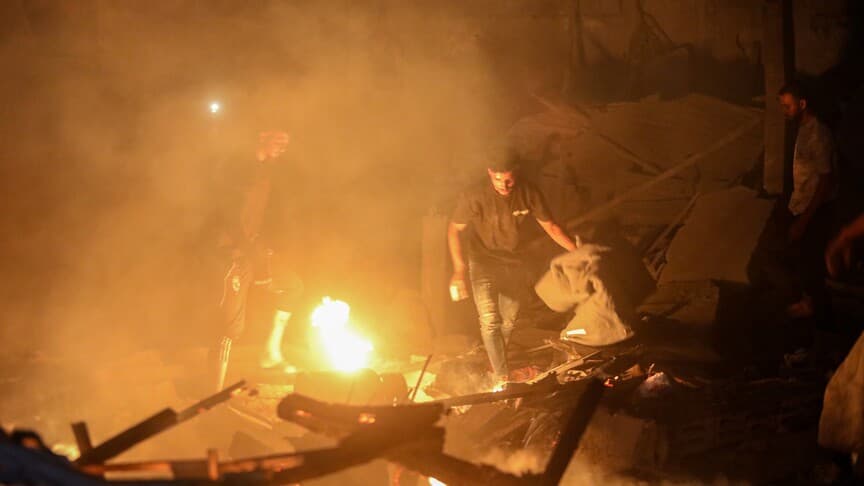
In addition to famine and displacement, the threat to the civilian population from the use of drones is growing. The Peace for Sudan platform on November 5 called for an end to attacks on civilians, markets, hospitals, as well as water and electricity infrastructure: in the first three weeks of October alone, at least 306 people were killed in attacks. According to the UN Human Rights Office, drones killed at least 1,120 civilians in the first half of 2026. Körner confirmed that drone strikes are a serious problem causing widespread fear and often hitting civilians, and that the danger to humanitarian workers increases the importance of local partner organizations, which enjoy the trust of the population and can reach hard-to-access areas.