The key facts
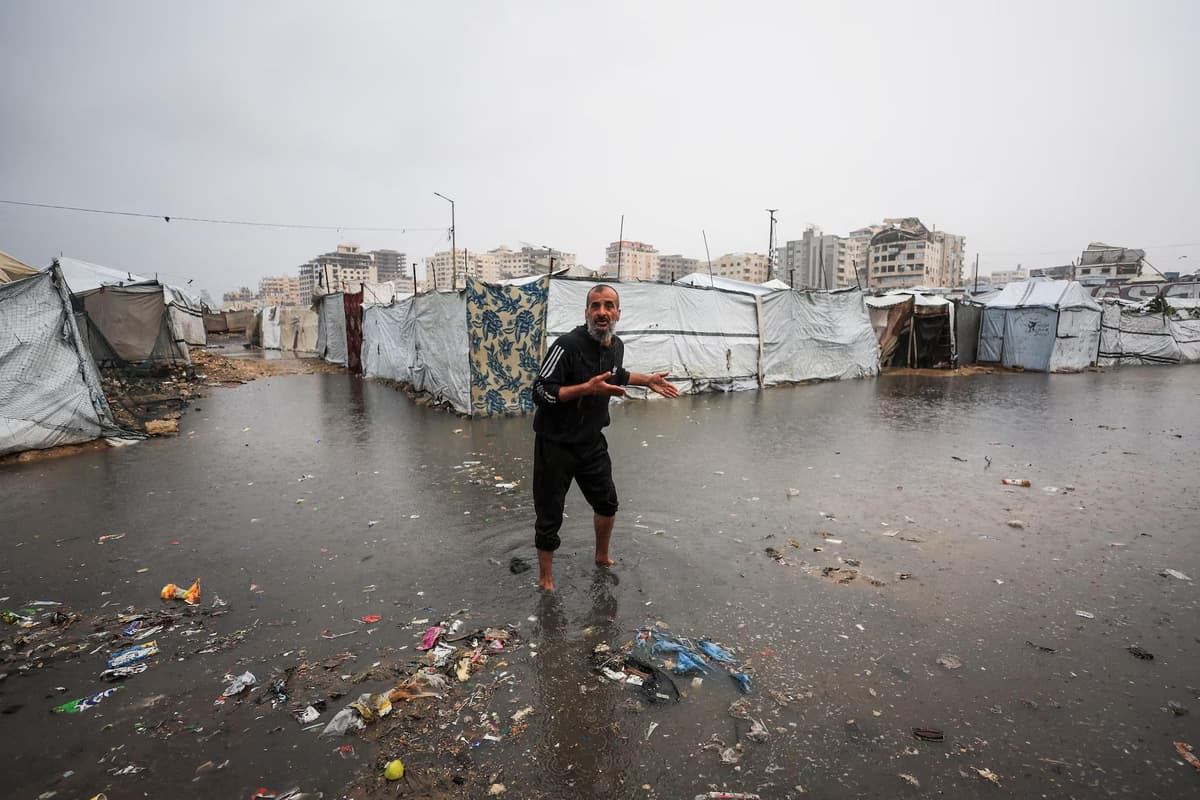
- The first storm of the season destroyed more than 6,000 shelters; about 106,000 people were affected
- The first storm of the season destroyed more than 6,000 shelters, with about 106,000 people affected
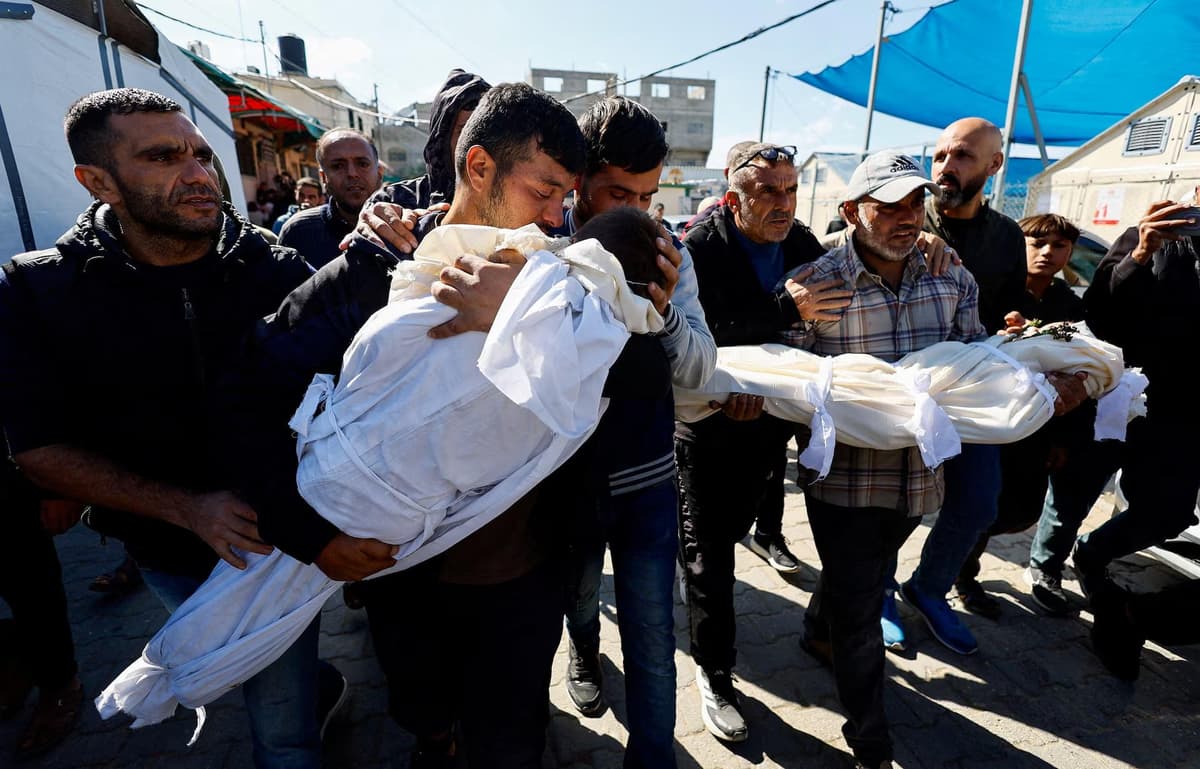
- On November 8, a woman and three children were killed in Deir al-Balah when a sand embankment collapsed
- More than 150,000 tents are ready for shipment in Egypt but await Israel's approval
- More than 150,000 tents are ready for dispatch in Egypt but are awaiting Israel's approval
The first storm of the season
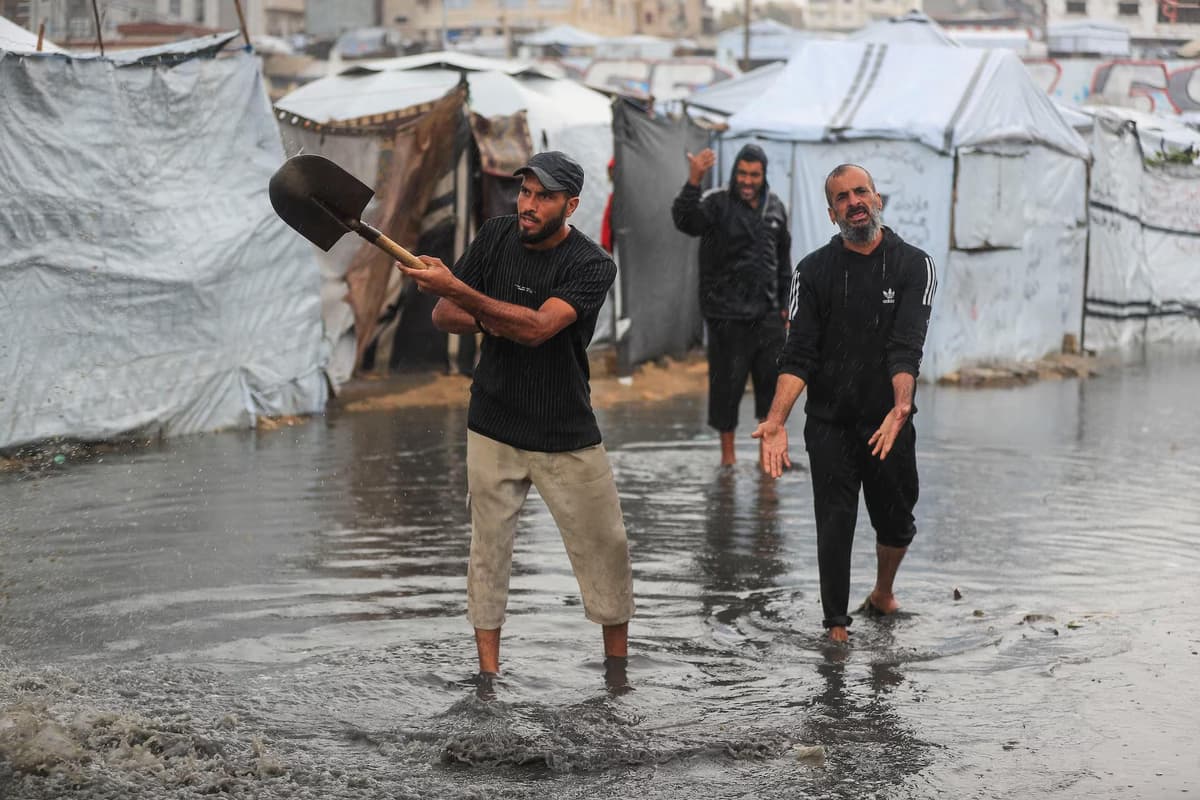
The first seasonal storm hit the Gaza Strip, striking displaced persons' camps above all. According to the UN Office for the Coordination of Humanitarian Affairs (OCHA), cited by Kun.uz, more than 6,000 family shelters have been destroyed, and another 17,400 damaged; around 106,000 people were directly affected by the rain.
Tragedy in Deir al-Balah
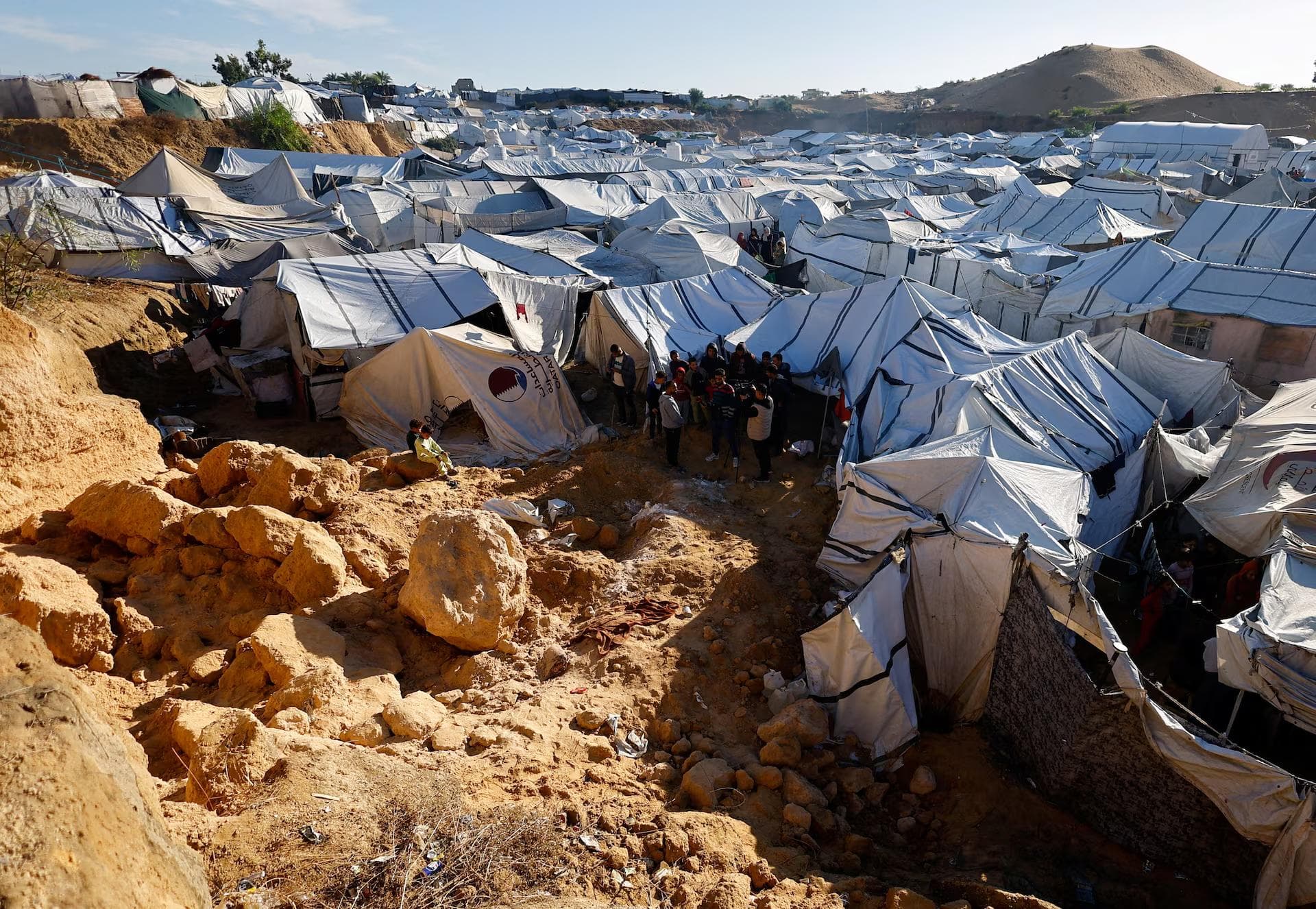
The deadliest incident occurred on the evening of November 8 in a camp south of Deir al-Balah: rain washed out a sand embankment, which collapsed onto the tents. According to Reuters, a woman and three children were killed, among them 36-year-old Tahrir Nahon and two of her children; the head of the family was outside at the time and survived. 'We were digging through sand and stones and pulling their bodies out one by one,' said 36-year-old Ahmad Nahon. Forecasts indicate no rain is expected in Gaza until November 21, but humanitarian organizations remind that this was only the first storm of the season.
A fourth winter in tents
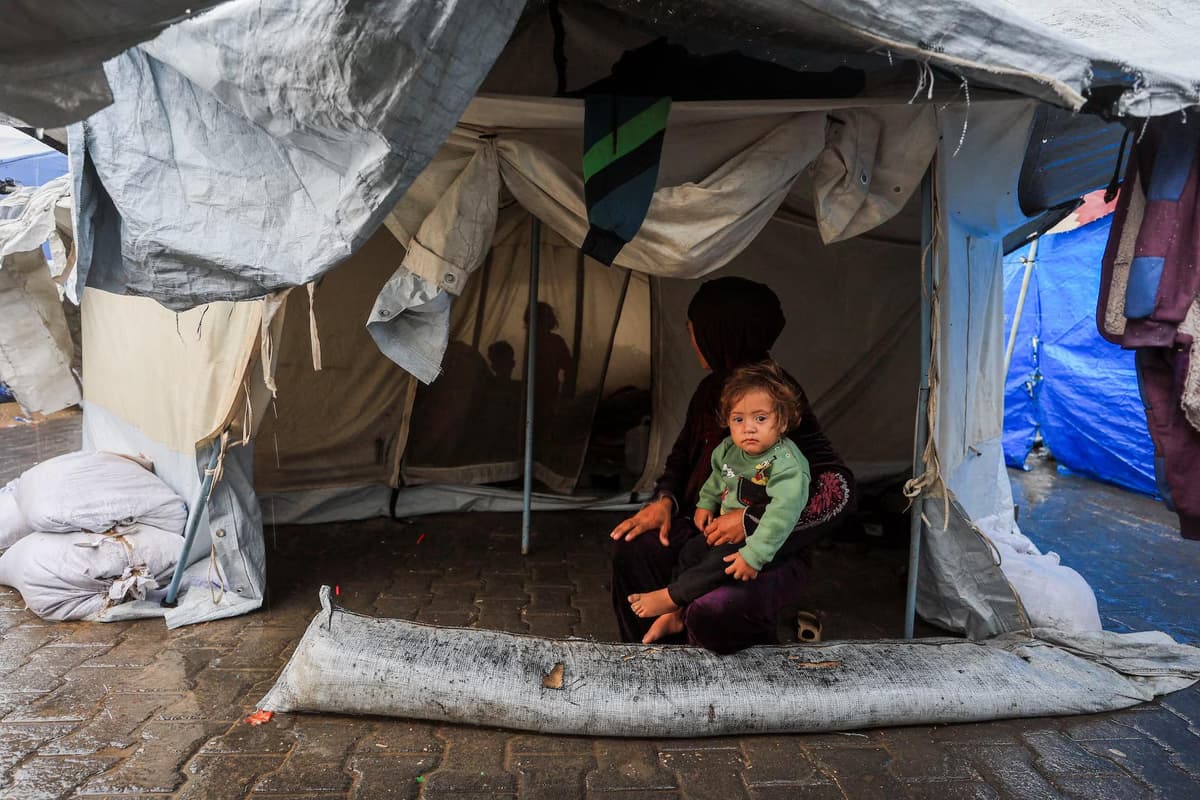
For most residents of Gaza, this is already the fourth winter in tents: of the more than 2 million people, according to the UN, 65% — about 1.4 million — live in tents or temporary shelters. The World Health Organization reports that nearly a million displaced people are in areas of medium or high flood risk. Stocks of tents, tarpaulins, blankets and clothing in the Strip are nearly exhausted, while, according to the UN, on the other side of the border in Egypt more than 150,000 tents are ready for shipment, along with 300,000 tarpaulins and 500,000 blankets — they are awaiting permission to enter. A WHO representative warned on November 10 of a serious risk of infectious diseases due to flooding and poor sanitation, as well as growing shortages of antibiotics, fever reducers and anti-diarrheal medicines. UNICEF representative James Elder said that a rainwater reservoir in the Sheikh Radwan area of Gaza City is contaminated with sewage and may overflow; according to him, a $3 million reservoir repair project was rejected by COGAT — the Israeli agency controlling the entry of aid — on security grounds.
Strike on Nasser Hospital
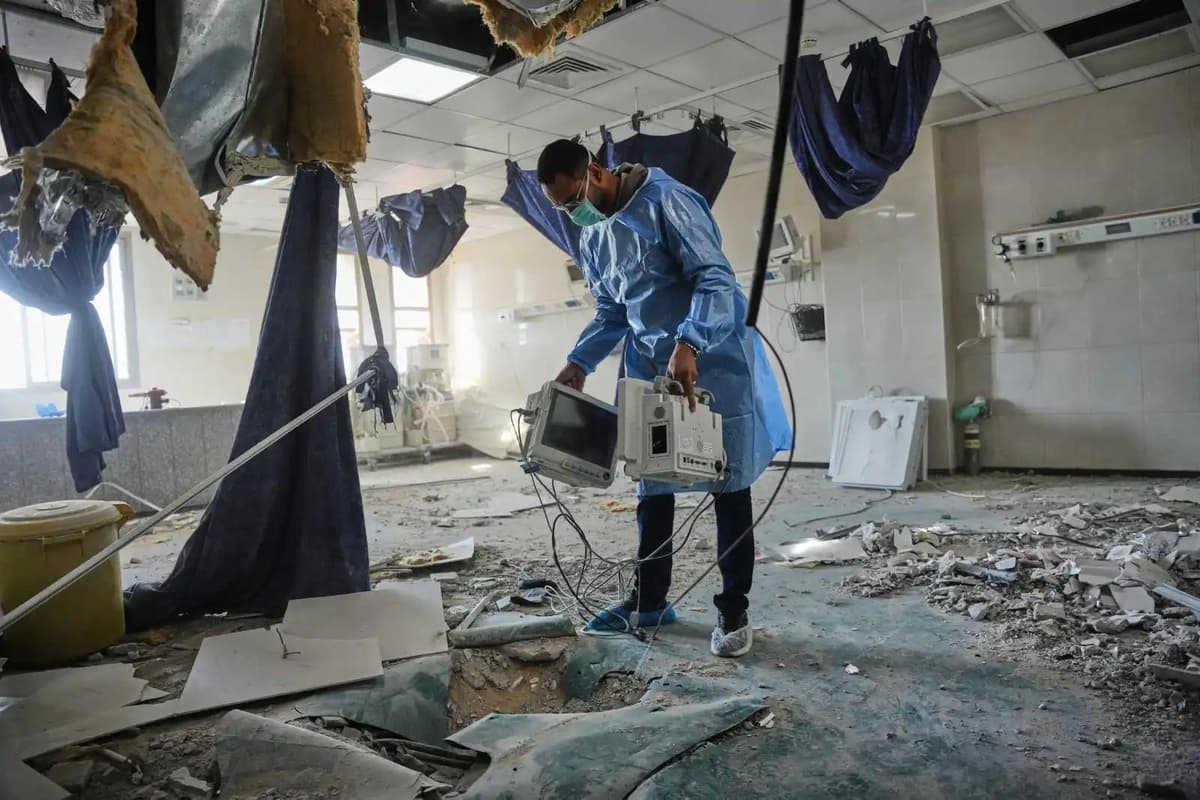
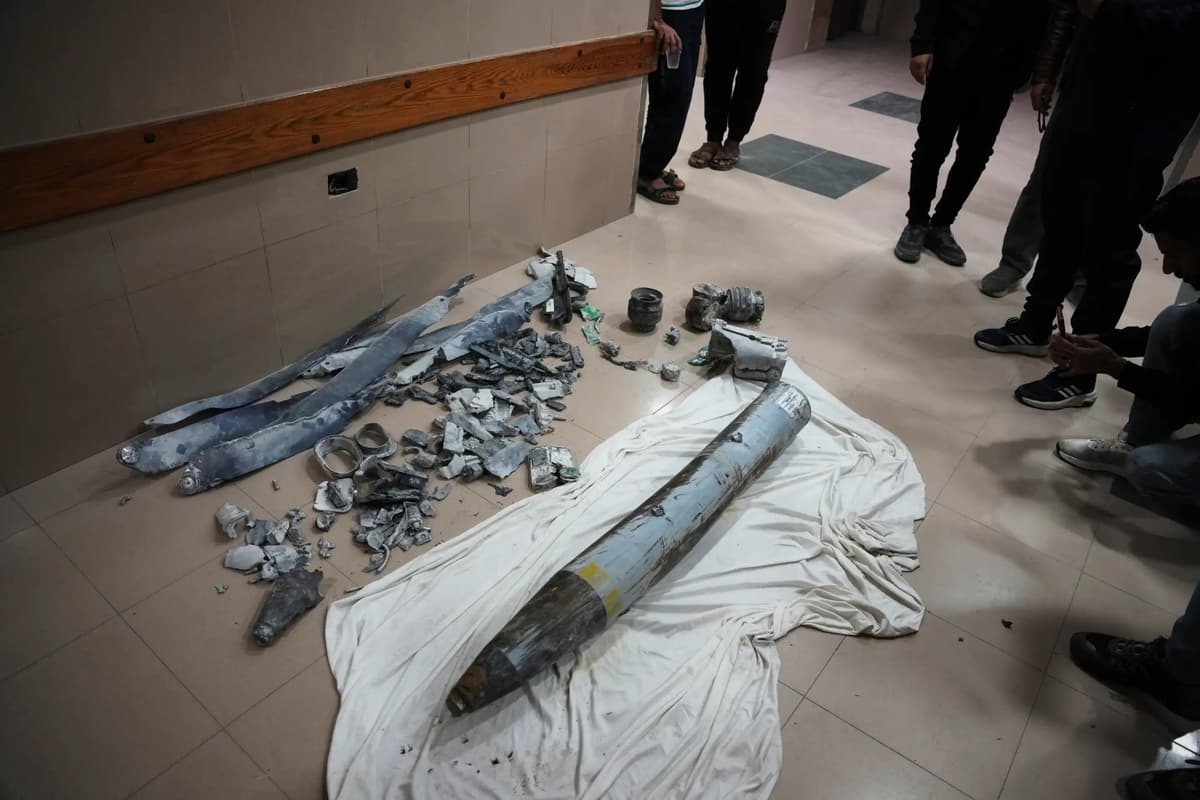
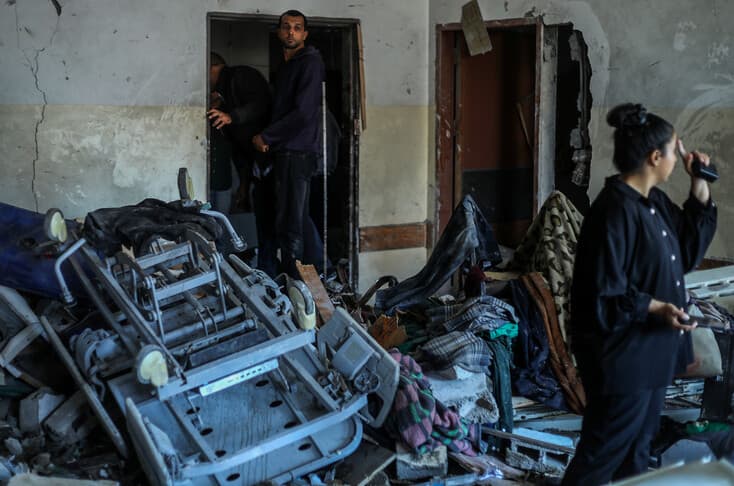
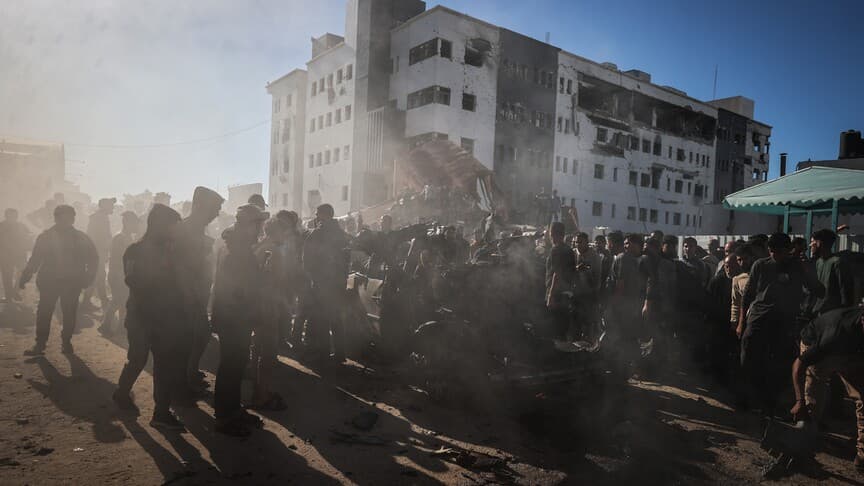
Beyond weather threats, military dangers persist. Although the ceasefire came into force in October 2025, strikes have not stopped: according to the Hamas-run health ministry, more than 1,600 Palestinians have been killed in Israeli attacks since it began (the ministry does not distinguish between civilians and fighters); over the same period, 5 Israeli soldiers were killed. On the night of November 12, Israel struck Nasser Hospital in Khan Younis: after two missile strikes, the surgical department, which serves half of Gaza's population, was put out of operation; at least six people were killed and more than 20 wounded. According to The New York Times, among the dead were a surgeon, a 13-year-old teenager, the mayor of Khan Younis and a disabled patient. The Israeli army said the target was Hamas brigade commander in Khan Younis Muhammad Abu Ismail, and claims that Hamas had set up a command post in the hospital and stored weapons there; Hamas rejected these accusations, the health ministry called the strike a 'flagrant violation' of international law, and WHO Director-General Tedros Adhanom Ghebreyesus stressed that hospitals must neither be militarized nor attacked.
Dispute over aid and reconstruction
An open dispute is raging over aid deliveries. The UN humanitarian coordinator for the Palestinian territories, Ramiz Alakbarov, on 9 November demanded that Israel immediately lift all restrictions on the entry of goods: 'Time is running out.' Israel rejects the accusations: according to COGAT, more than 91,000 tents and over 8,200 trucks with winter supplies have been brought into the Strip in recent months, but equipment that could be used for military purposes is not allowed. Israeli Prime Minister Benjamin Netanyahu claims, without providing evidence, that Hamas diverts aid for military purposes. The Board of Peace, created by US President Donald Trump, in a rare move for itself, criticised Israel on 9 November, calling its measures 'still insufficient' and urging it to immediately allow all winter aid; on 12 November the board also issued a statement on the strike on the Nasser hospital, expressing condolences over the deaths of civilians while sharply condemning Hamas's 'ongoing military use of hospitals' and calling on both sides to fulfil their commitments on protecting civilians and disarming Gaza. The reconstruction of the Strip is tied to disarmament: Israel demands Hamas's complete disarmament, while the latter urges that reconstruction not be linked to political and security conditions. The UN's head of humanitarian affairs, Tom Fletcher, said on 11 November that aid organisations are now being told to wait first for elections in Israel, then for the formation of a new government: 'This pretext is unacceptable'. European Commissioner Hadja Lahbib on 8 November called for more aid to be urgently allowed into Gaza, and Italy on 11 November announced the allocation of 5 million euros in emergency assistance.
What lies ahead
The rainy season in the region usually lasts from late October to April, and winter night temperatures drop below 10 degrees. It is estimated that 761,000 people could face flooding in the camps this winter. Food aid deliveries are also shrinking: the World Food Programme already announced on 19 October the suspension of monthly assistance to half a million people due to a lack of funds. 'People who did not die from bombs and rockets are dying under collapsing buildings and sand slides,' 35-year-old Amal al-Zein told Reuters.