The key facts
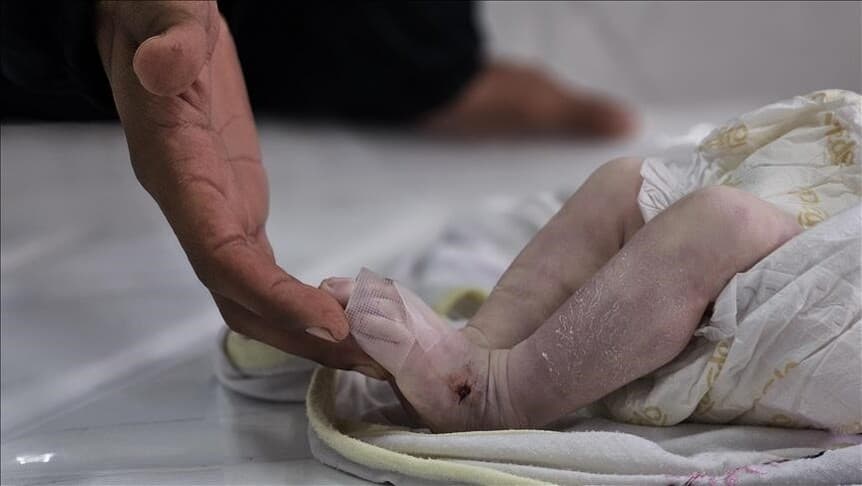
- Gaza's Health Ministry reported the first cold-related death of this winter season: a nine-month-old infant died of severe hypothermia
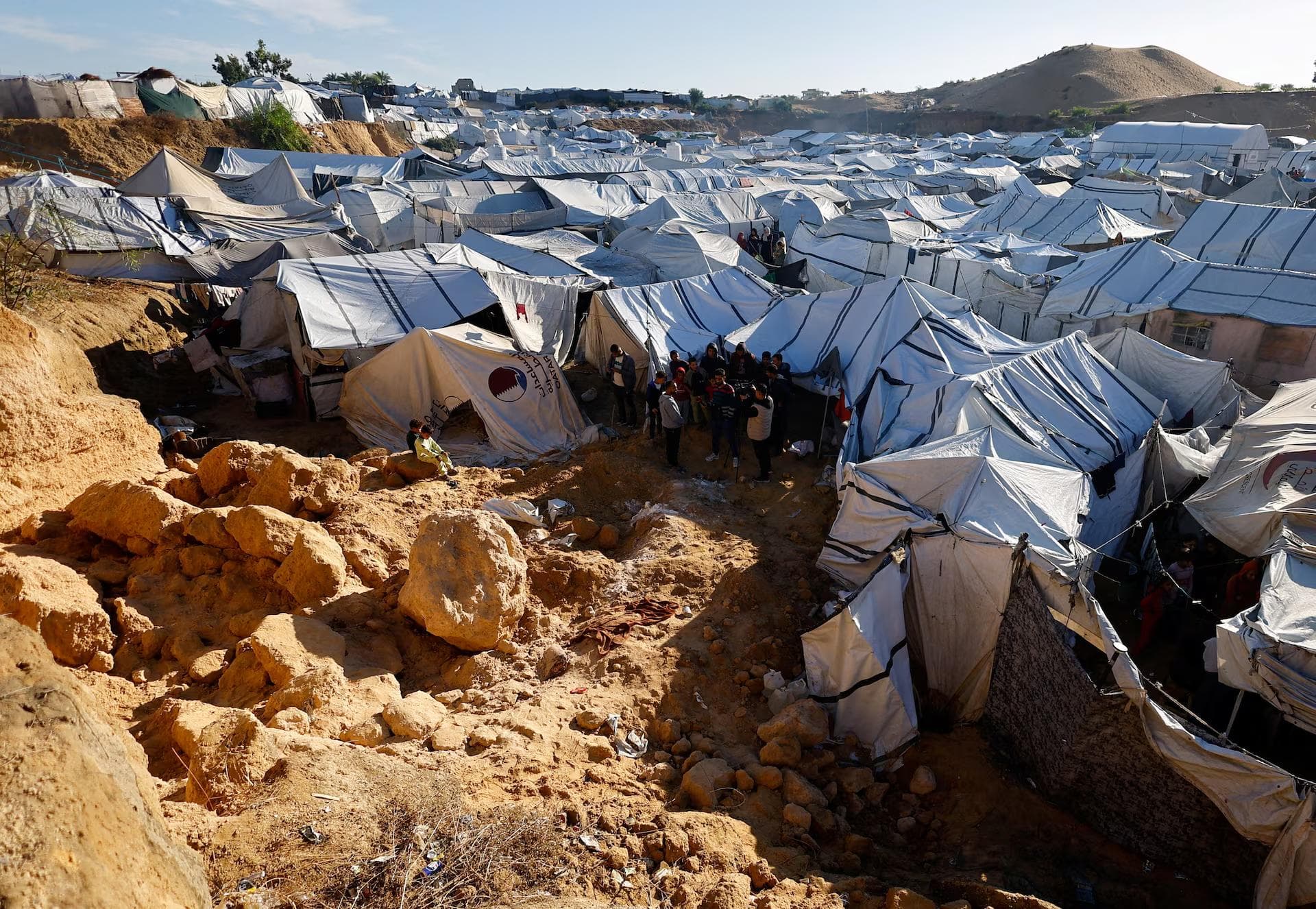
- According to OCHA, about 1.4 million people (65% of the population) live in tents and makeshift shelters; heavy rains on 6–8 November caused widespread flooding
- The WHO records 33,000 more cases of acute respiratory infections than a year earlier and warns that 'the worst is yet to come'
First winter victim of the cold
Gaza's Ministry of Health reported on Friday the first registered death from cold in the current winter season. The victim was nine-month-old infant Kinan Ahmed Arqiq: according to the ministry, he died after a sharp drop in body temperature. The child was transferred from Kuwait Hospital to the Nasser Medical Complex in Khan Younis on Thursday, arriving there already dead. A forensic examination confirmed that the cause of death was severe hypothermia.
Conditions in which the population lives
The ministry recalled that in the 2025 winter season, 10 people died in Gaza from exposure to cold. Currently, according to the UN Office for the Coordination of Humanitarian Affairs (OCHA), about 1.4 million people — 65% of the enclave's population — live in tents or makeshift shelters. Heavy rains on 6–8 November caused widespread flooding and damaged thousands of tents and makeshift shelters. The National also reports that on 7 November, the collapse of a sand embankment onto tents in central Gaza killed five people, including three children.
WHO warning about disease
The World Health Organization warned on Friday of a surge in respiratory illnesses. WHO representative in the Palestinian territories Reinhilde Van De Weerdt said from Jerusalem that the number of cases of acute respiratory infections is already 33,000 higher than at the same time last year; they account for 11% of all medical consultations. According to her, overcrowding in an ever-smaller area is contributing to the spread of viruses, and the situation is worsened by the Israeli army's advance along the 'yellow line' — the demarcation established under the US-brokered ceasefire of October 2025. 'It is shocking that just a few days of rain have shown us what the coming months will bring. Winter has not even fully set in yet. The worst is truly yet to come,' she said. According to the WHO, nearly a million displaced people live in flood-prone areas, of whom 400,000 are in areas of extremely high risk; the organization is also experiencing difficulties with the supply of laboratory materials needed for diagnostics.
Diplomatic pressure and restrictions on supplies
On Thursday, 53 UN member states and other organizations appealed to the incoming Israeli government with a call to lift restrictions on the entry of aid into Gaza. The appeal, delivered at the UN in New York and initiated by Britain, Qatar and Jordan, called for aid to be allowed through all available crossings and land routes and for the full and predictable operation of humanitarian corridors through Egypt and Jordan to be ensured. British Ambassador Sarah McIntosh, speaking on behalf of the participants of the 'Call to Action for Humanitarian Access and Health Care in Gaza,' said that restrictions on the entry of essential shelter items are preventing humanitarian organizations from working at the required scale, and warned that people without adequate shelter risk hypothermia, respiratory infections and diseases from contaminated water. Meanwhile, the Israeli military body Cogat, which coordinates aid deliveries, said last week that it had intensified efforts to improve sanitation ahead of heavy rains together with international organizations.