The key facts
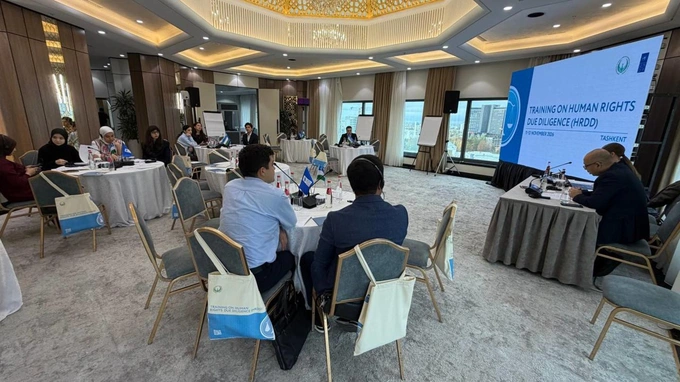
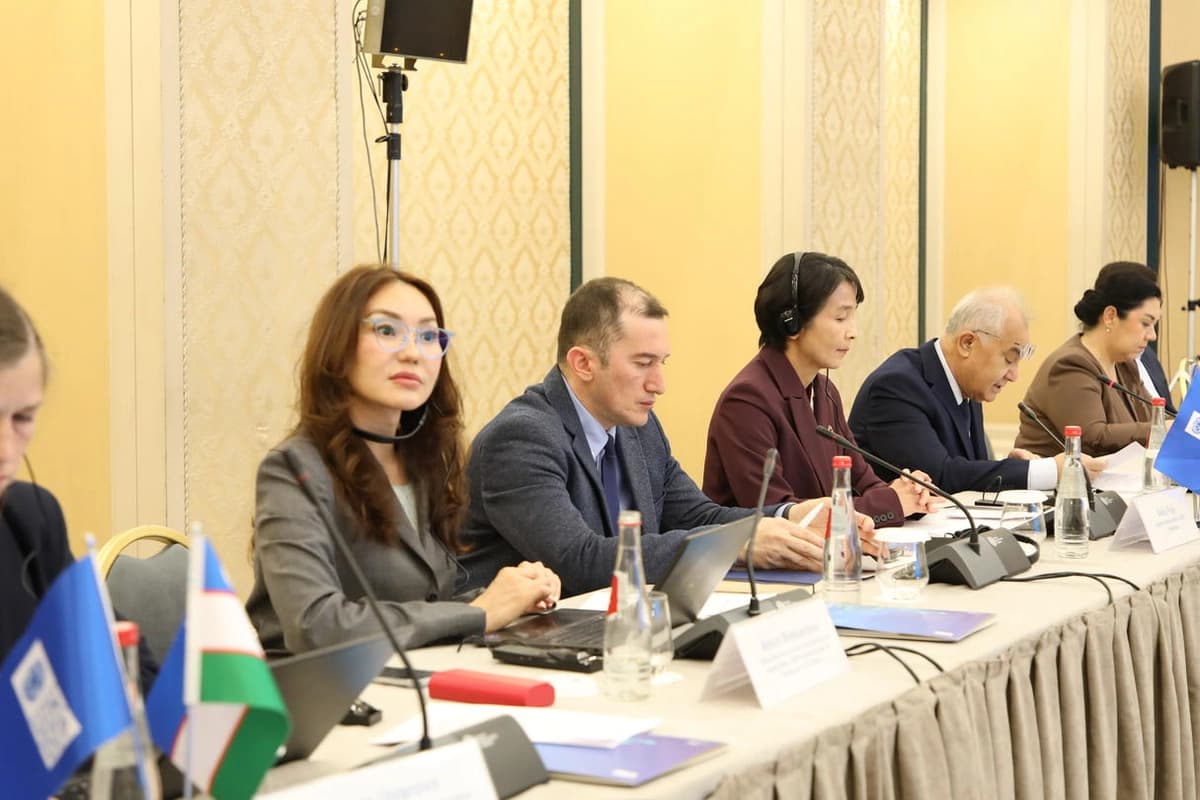
- The first national dialogue on business and human rights was held in Tashkent on 9 November, organized by UNDP and the National Human Rights Centre
- The national baseline assessment identified 12 key problems, including informal employment, occupational safety, the environment and gender equality
- The National Centre has drafted a national action plan; the dialogue's recommendations will be taken into account at subsequent consultations
First national dialogue held in Tashkent
On 9 November, Tashkent hosted the first national dialogue dedicated to business and human rights issues. It was organized by the UNDP office in Uzbekistan together with the National Human Rights Centre of the Republic of Uzbekistan, UNDP's press service reported, as covered by Gazeta.uz. The discussion brought together representatives of government agencies, business, trade unions, civil society and international organizations.
Baseline assessment results: 12 key problems
The event presented the results of a national baseline assessment in the field of business and human rights. Its authors examined three questions: how the state protects people from rights violations related to the activities of state-owned enterprises, to what extent companies respect human rights, and what avenues are available to victims to seek redress.
What was identified and what comes next
The study noted progress in improving legislation and institutional frameworks, but identified 12 major human rights problems related to business activity. Among them are respect for labour rights, safety and occupational health, informal employment, environmental protection, gender equality and social inclusion.
Action plan and training
According to Akmal Saidov, director of the National Human Rights Centre, the centre has drafted a National Action Plan on Business and Human Rights; the recommendations voiced at the dialogue will be taken into account in subsequent consultations on the document. Participants also discussed moving from voluntary corporate social responsibility initiatives to stricter requirements and standards for respecting human rights in business.
Context and follow-up events
UNDP stressed that this agenda is especially relevant given Uzbekistan's drive to join the WTO on an accelerated basis, attract responsible foreign investment and expand access to international export markets. After the dialogue, on 10 November, a training on human rights due diligence — identifying and preventing risks of rights violations related to company activities — was held for government agencies, human rights institutions, public organizations, trade unions and the academic community. From 11 to 13 November, trainings were held for representatives of private companies, state-owned enterprises, banks and business associations: participants practised identifying risks to employees, contractors and local communities, as well as building grievance intake and handling mechanisms — each company was required to develop a plan for implementing such procedures.