The key facts
- Witkoff and Kushner said the Europeans would join the next meeting, but Putin's aide Yuri Ushakov set a condition: Europe must choose between “peace” and “war”
- Putin, according to reports, raised the topic of revising the European security architecture, citing Trump's plan for a “grand deal”
- European leaders in Dublin objected that they will not discuss the security architecture without themselves; the EU will discuss appointing a special envoy on Friday
Visit to Moscow and the Kremlin's condition
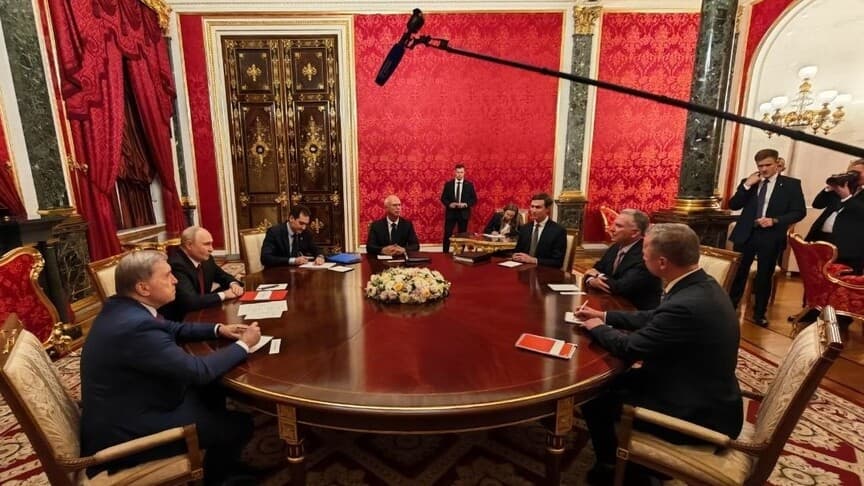
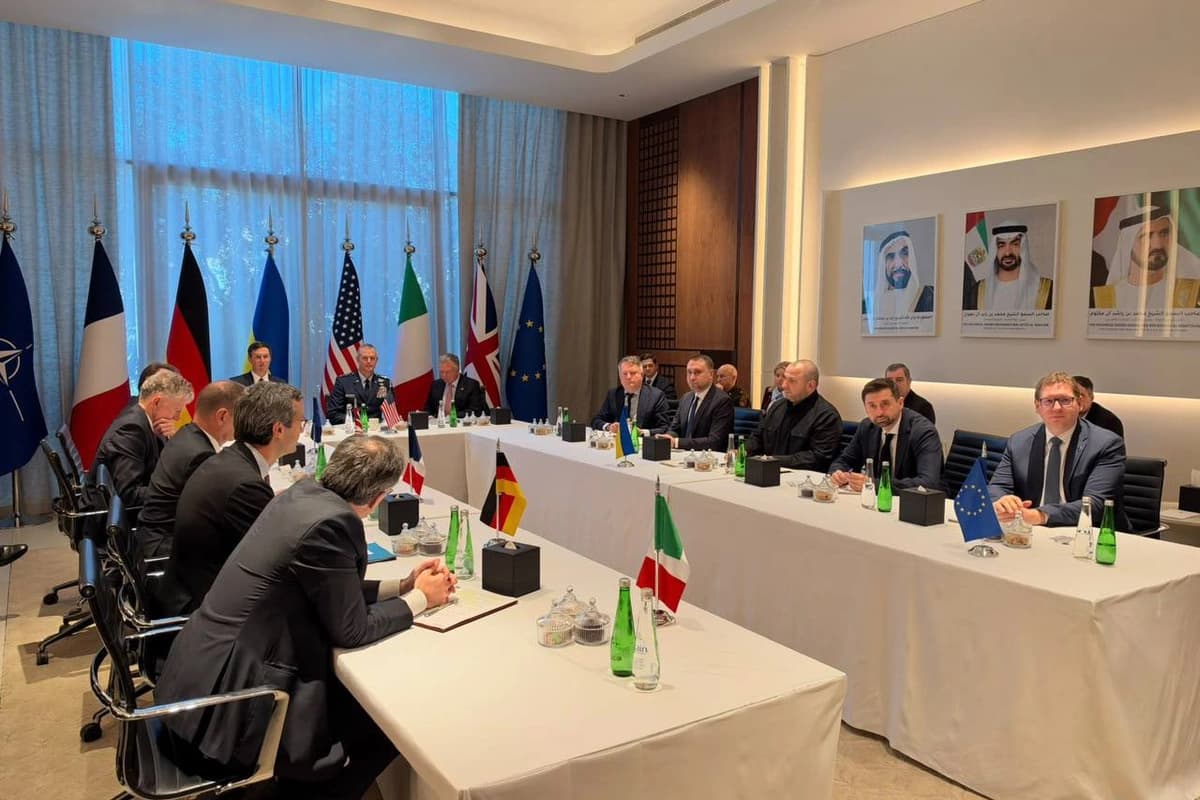
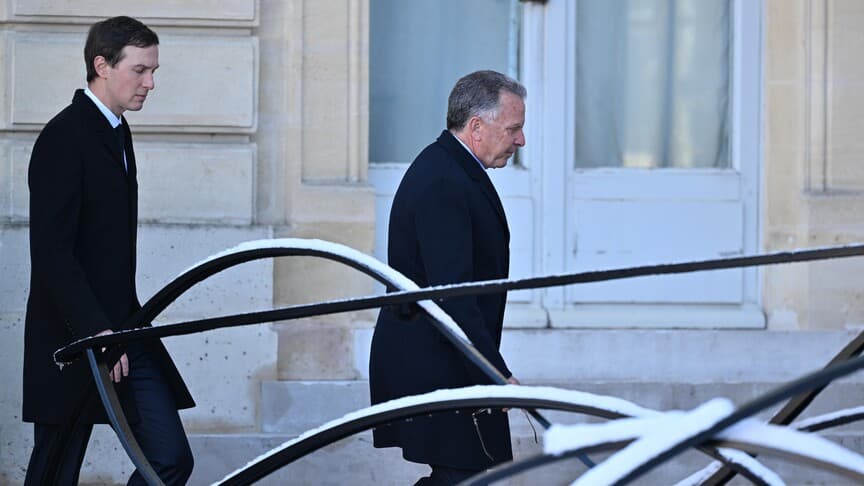
Russia has lowered the expectations raised by US special envoys Steve Witkoff and Jared Kushner, who said Vladimir Putin had agreed to allow Europeans into the talks on Ukraine. Instead, as Euronews reports, Moscow set a condition: Europe must stop providing military aid to Kyiv. Witkoff and Kushner arrived in Moscow on Thursday after two days of negotiations in Abu Dhabi, where the Russian delegation refused to sit at the table with the European team.
A divergence of assessments
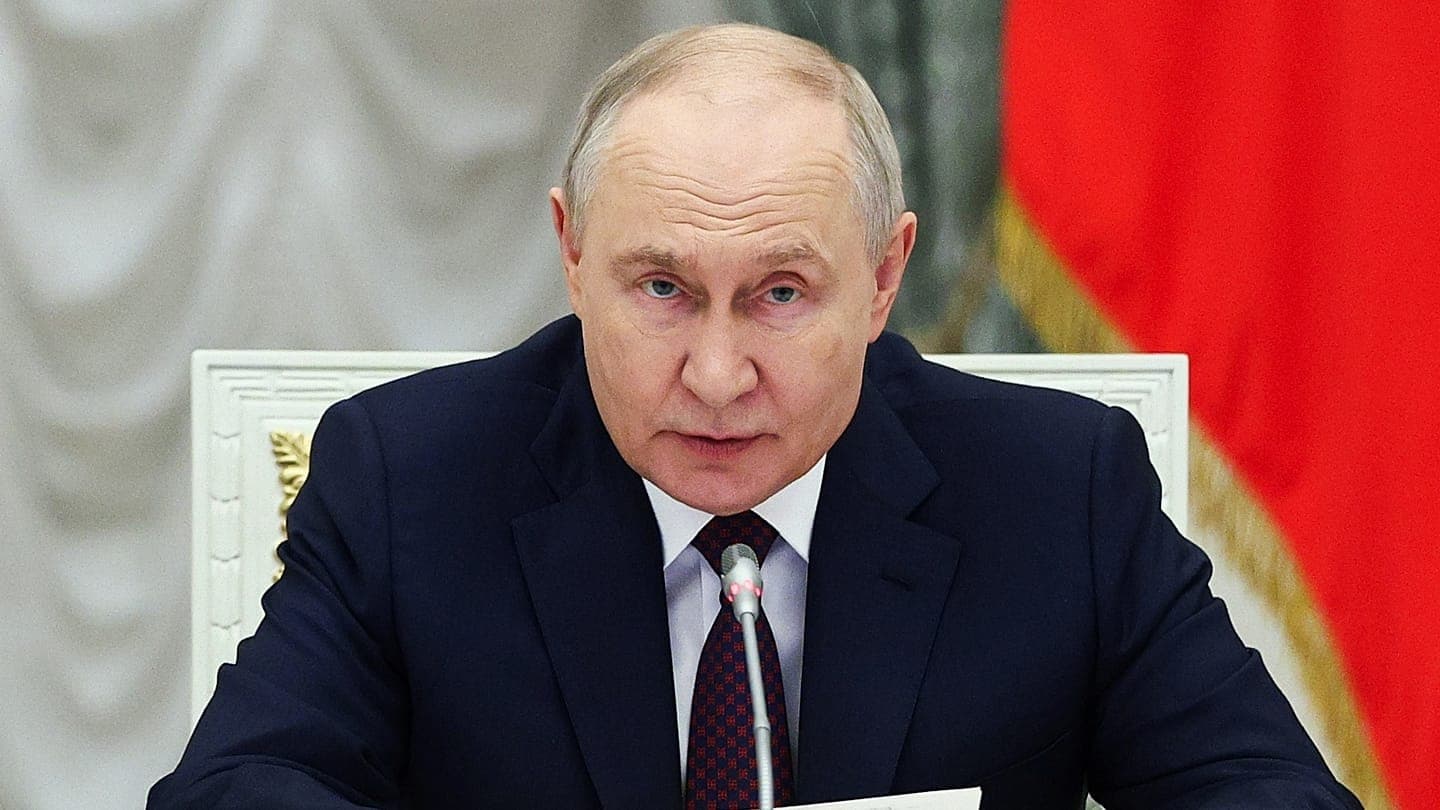
“The Europeans will join at the next meeting, which we consider a very important moment, because they are our partners,” Reuters quoted Witkoff as saying. Kushner described the discussions as “very substantive and detailed” and expressed hope that they would form the basis of a multilateral format. However, Putin's aide Yuri Ushakov warned against Russians and Europeans sitting at the table together, saying they must first choose between “peace” and “war”: “So far, all their practical actions point precisely to the latter.” Moscow has long equated Europe with a warring party because of its supplies of weapons and ammunition to Kyiv.
Putin on the “grand deal”
According to reports on the course of the meeting, Putin made it clear that his main interest is revising the continent's security architecture. He referred to Donald Trump's plan for a “big, beautiful deal” that “could encompass all of Europe”: “President Trump proposes agreeing on instruments of European security as a whole. What do we hear from the Europeans? No, only after peace in Ukraine.” According to him, after peace the Europeans intend to station troops on the territory of Ukraine, which would mean “a continuation of the war.” In a separate piece, Euronews notes that in Europe, talk of a new security architecture is seen as an attempt to divert attention from the war and to realize Russia's great-power ambitions, including a veto on future NATO enlargement.
Europe's response
Witkoff and Kushner, according to participants, argued that European presence is necessary to advance a process that has so far yielded limited results beyond prisoner exchanges, and Kushner proposed discussing the security architecture as an incentive. In Dublin, European leaders, according to Euronews, pushed back, pointing out that it was Moscow that violated the security agreements that had been in place for decades and that any discussions require Europe's participation. “It is important that Russia sit at the table and be ready to negotiate”, said German Chancellor Friedrich Merz.
EU special envoy and the Kremlin's position
On Friday, EU leaders will discuss the possibility of appointing a special envoy for the diplomatic process: Volodymyr Zelensky asked for a single representative to be designated by the end of the month. Kremlin press secretary Dmitry Peskov called such an appointment a precondition for joining the talks, adding: “The Europeans quarrel like spiders in a jar. If someone takes the initiative to establish contact with the Russian side, such people are ostracized.” At the same time, Moscow's opposition is not a complete ban: last month Putin held a 90-minute phone call with the leaders of Finland and Norway, during which a call was made to resume peace talks.