The key facts
- OpenAI launched ChatGPT Wallet for purchases through dots agents
- At launch, access is limited to ChatGPT Pro users in the US aged 18 and older
- Every purchase is confirmed via biometrics; card details are hidden behind tokens
What OpenAI launched
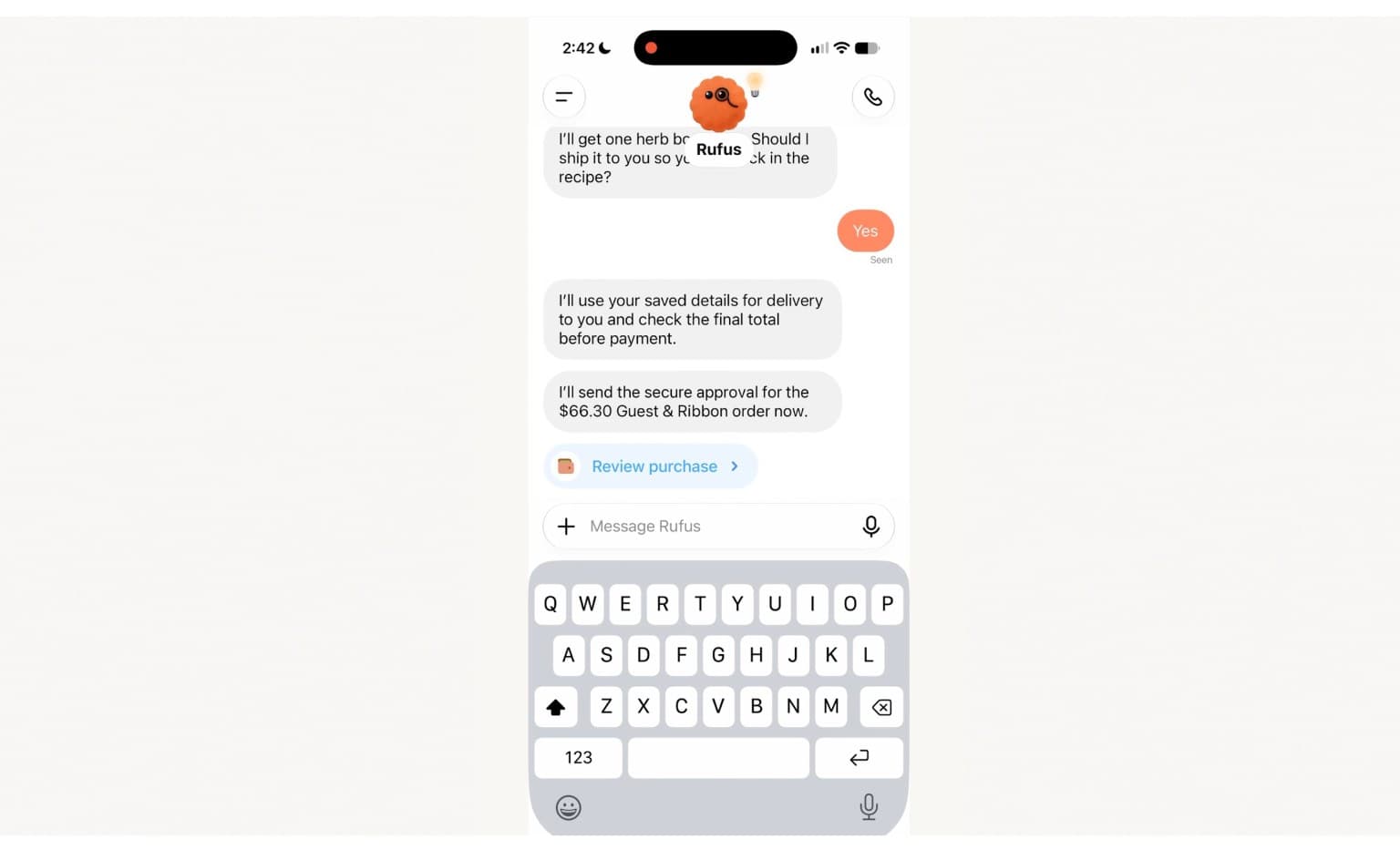
On Friday, November 13, OpenAI introduced ChatGPT Wallet — a payment feature that allows the company's AI agents, called dots, to help a user choose an item and complete the purchase on their behalf. The feature was created in partnership with American Express, Mastercard, and Visa. At launch, it is available to a limited number of ChatGPT Pro subscribers in the US aged 18 and older who pay for the service with Visa, Mastercard, or American Express cards issued in the US.
How it works
The user adds a suitable card to ChatGPT Wallet once, then asks the agent to help with a purchase. Before placing the order, one can review the list of items, the total amount, and the card that will be used for payment. The confirmation itself happens through a security check — Face ID or a fingerprint — which creates a record of the transaction. The agent and the seller are not given the actual card details: payment networks generate one-time payment tokens with a limited card number, security code, and expiration date. The seller automatically receives from the agent the information needed for delivery — the address and contact details. According to OpenAI, buyers keep their card rewards and standard protections, including the ability to dispute a transaction.
Monetization and plans
OpenAI stated that it does not yet take a share of transactions passing through the wallet and is focused on relationships with sellers and payment networks; in the future, the feature could become an additional source of revenue. The company plans to give users more control — spending limits and parameters by purchase category or time period, so that purchases the agent can carry out more autonomously can be approved in advance. OpenAI has also published the Commerce Partner Playbook with recommendations for websites that want to support agent shoppers.
Context and limitations
The launch comes amid growing competition among developers of personal AI assistants for shopping, travel booking, and other everyday tasks. DoorDash and Uber so far report a low number of orders placed by AI agents, whereas Meta's Muse, which has more than 10 million users, sees AI-assisted shopping become one of the main activities in the app; the Instinct agent also supports purchases on users' behalf. The feature's expansion may be hindered by resistance from retailers: according to available information, the largest retailer blocking AI agents on its website remains Amazon, which directs users to its own Alexa agent. OpenAI's previous steps in commerce included Instant Checkout, introduced in September 2025, which the company abandoned when it launched an updated product search and comparison experience in March. OpenAI unveiled the dots agents at its annual developer conference in late September.