The key facts
- Jensen Huang has officially stepped down as Nvidia CEO after 33 years at the helm; Colette Kress has become interim leader
- According to PitchBook, Nvidia took part in 105 investment rounds in 2026, often as the largest investor
- Investors do not expect the successor to quickly continue the aggressive investment pace; lower valuations and smaller checks are possible
What happened
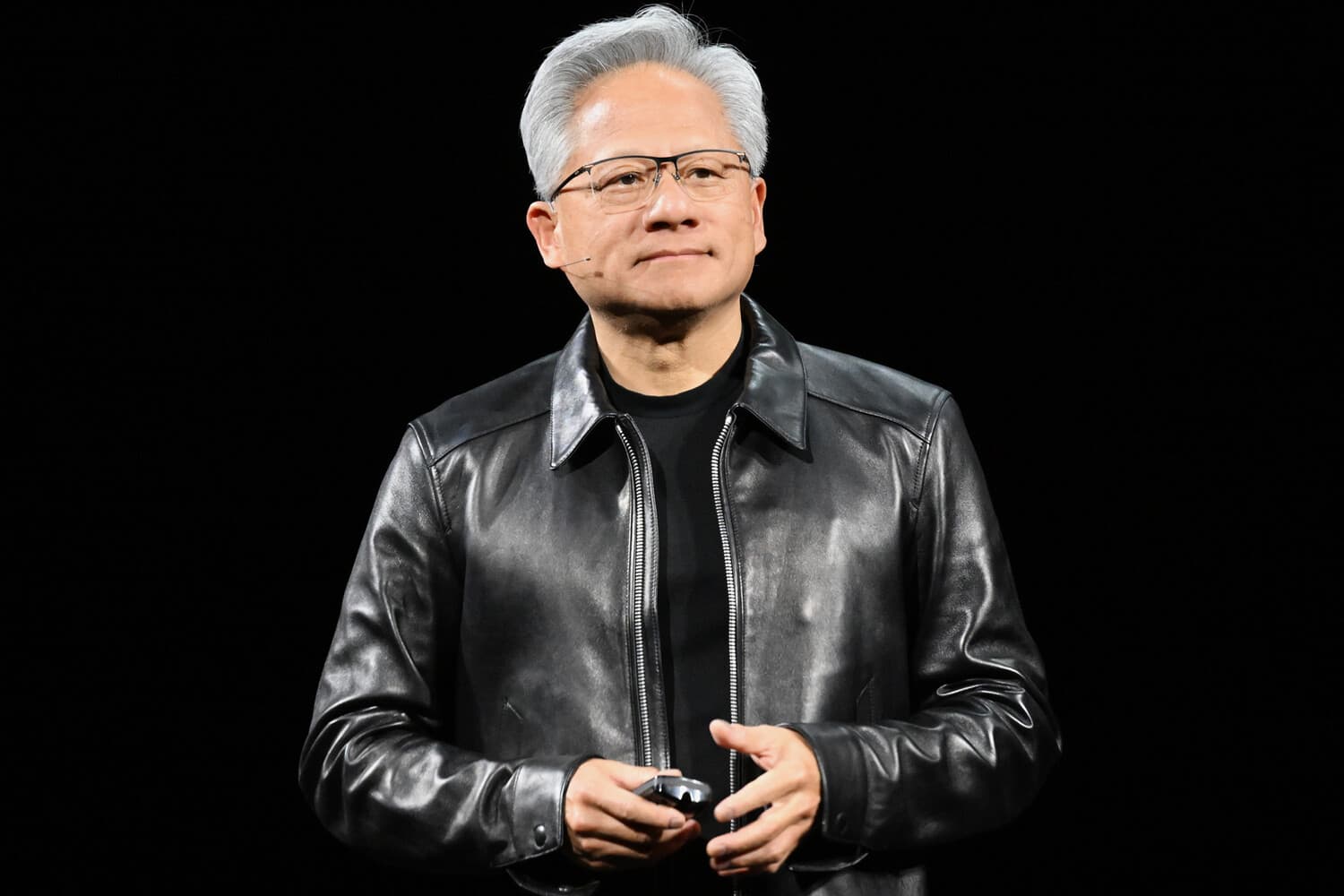
Jensen Huang, co-founder and longtime head of Nvidia, has officially stepped down as CEO. One founder of a neocloud company described his reaction to the news as 'like a bomb went off.' Colette Kress has become the company's interim leader, and she is expected to make changes, including to Nvidia's approach to investing in AI startups amid the construction of data centers worth billions of dollars.
Why investors are worried
In recent years, Nvidia has become one of the most active investors in the ecosystem: according to PitchBook, this year alone the company took part in 105 rounds, often as the largest investor, directing tens of billions of dollars into startups annually. Maria Davidson, founder of Relational Capital, noted that a change in this course would be a heavy blow to many young companies. According to Umesh Padval, managing partner at Seligman Ventures, a significant share of investment decisions came personally from Huang; investors do not hope the successor will quickly continue such activity.
The scale of Nvidia's bets
Nvidia's largest bets went to neocloud providers, inference providers, and open-weight models — areas that are expensive for small companies. The company backed CoreWeave at the private stage, took part in two Crusoe rounds, including a $1.4 billion Series E, bought Hugging Face for $13 billion this year (the deal is expected to close in 2027), and also holds stakes in Mistral AI, Lambda, and Black Forest Labs. Last year, Nvidia invested $800 million in Reflection AI's $2 billion Series B round, when the company still had no significant revenue — according to the Wall Street Journal. Sharmila Bankiya of Dawn Capital noted that Huang believed in open source and in Europe, and that ending such support outside the US would create 'a gap in funding and the ecosystem that no one will fill.'
What could change
Investors believe Kress will be more conservative: one of them suggested she will not allocate the same sums to early-stage support. Under Huang, infrastructure companies that needed $100–500 million for GPUs often managed to raise half that amount from Nvidia at valuations from $1 billion, which gave other investors confidence in such valuations. Now Nvidia is expected to be more selective in new investments and reduce checks in its existing portfolio, which could lead to lower valuations. At the same time, Nvidia's dominance had a downside: generous investments effectively tied startups to its chips, strengthening the company's market position. A slowdown in investment activity could open the door for competitors — this same week, Google announced two new chips. Dharmesh Thakker, a partner at Battery Ventures, expects a fight for the lead investor role from large tech companies, but doubts that Google, Amazon, Microsoft, or AMD will put hundreds of millions into revenue-less infrastructure startups the way Nvidia did. Opinions on the consequences differ: most consider an Nvidia slowdown a serious blow, but few believe it will by itself stop the overall AI boom. Amulya Vishwanath, a former Nvidia employee who now runs her own venture fund, said that 'founders and leaders must take responsibility,' and that the ecosystem is bigger than one person.