The key facts
- Jensen Huang left the Nvidia CEO post after reports of two alleged affairs; finance chief Colette Kress named interim head
- Nvidia lost $550 billion in market value in five days — the largest five-day drop since its IPO 27 years ago
- Senators Warren and Coons demand Huang appear before Congress; the US Justice Department said it has not yet reached conclusions about espionage
Sudden Resignation
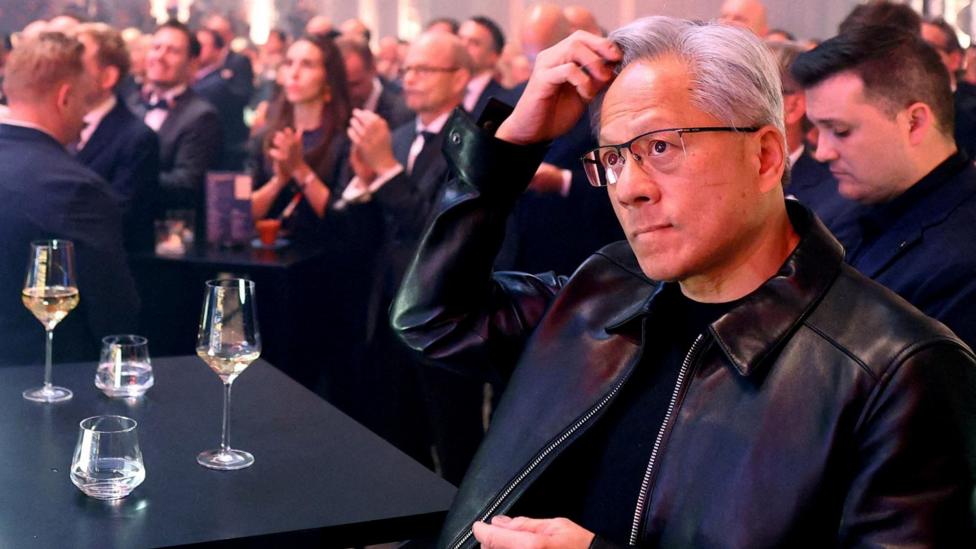
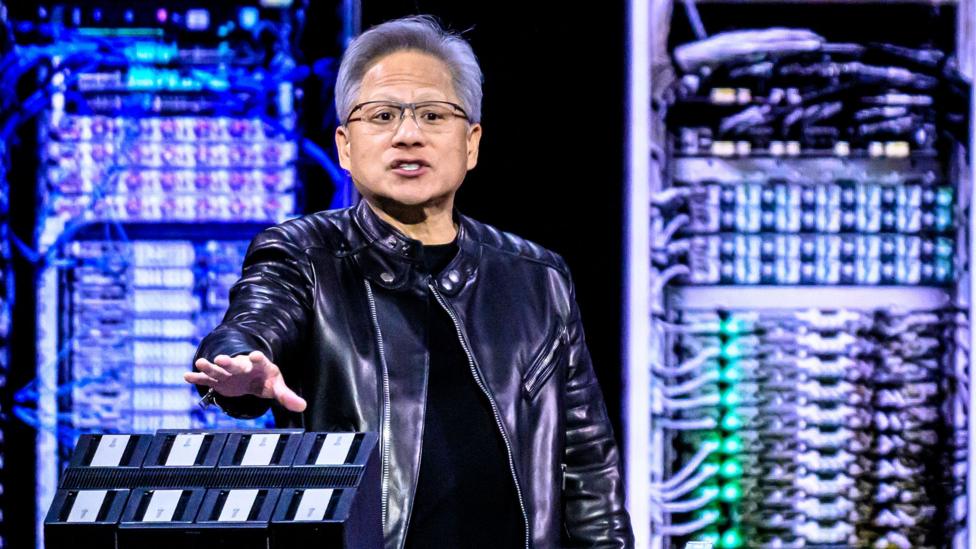
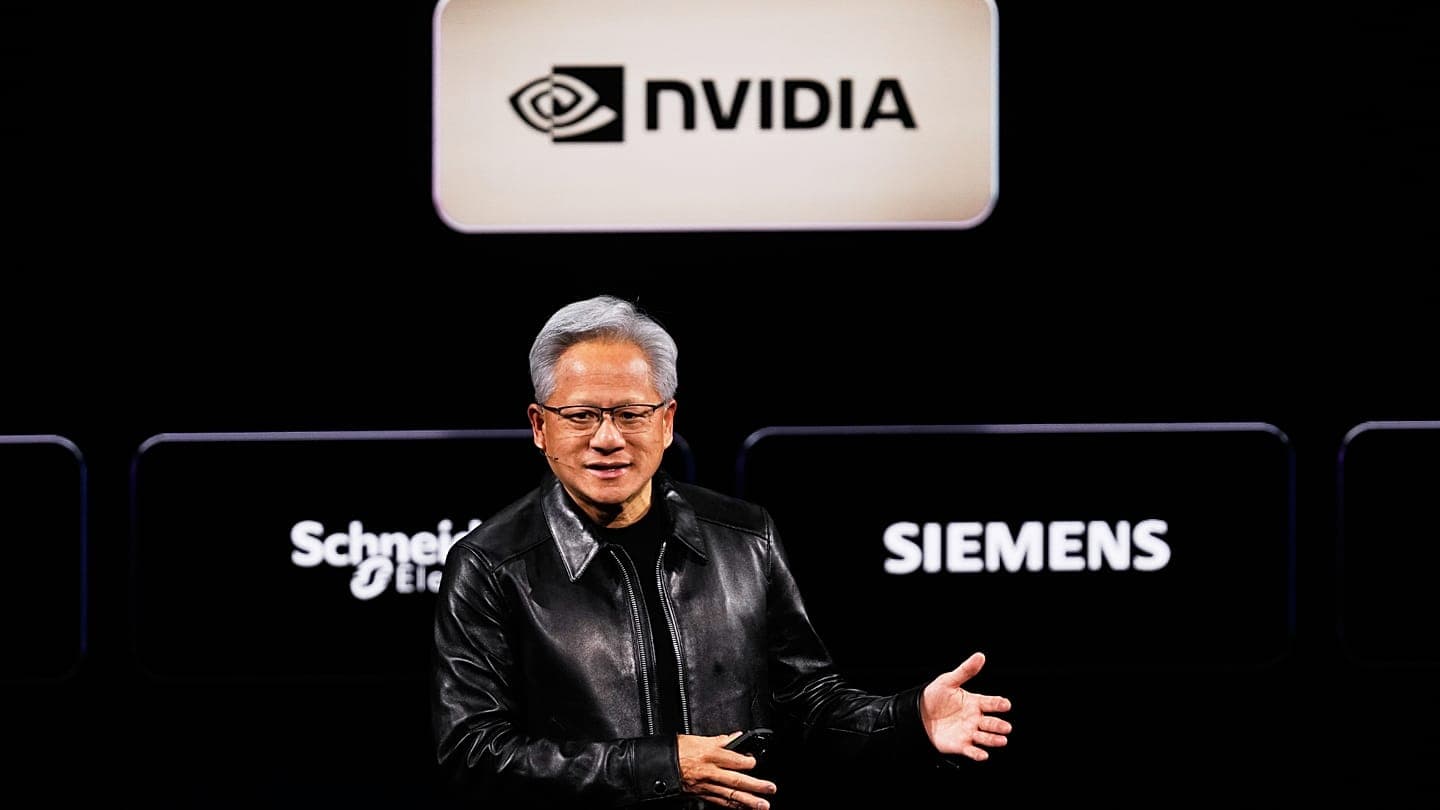
Jensen Huang, who had led Nvidia since 1993 and became the face of the artificial intelligence boom, has left his post as the company's chief executive. The resignation followed a series of publications about his alleged extramarital affairs. On Sunday, Huang admitted he had been 'unfaithful' to his wife, after reports of an affair with Xiao Huang (Alice Huang, a namesake, not a relative) — a top executive at the Singapore-based firm Megaspeed, who, according to the New York Times, is suspected of working for Chinese intelligence. Beijing rejected the accusation as slander. On Wednesday, information emerged about a second affair — with longtime Nvidia top executive Kimberly Powell, who reported directly to Huang; BBC sources say staff had noticed their unusual closeness.
Washington and the Company's Investigation
The scandal has gone beyond personal life: Senators Elizabeth Warren and Chris Coons, together with other Democrats on the House Foreign Affairs Committee, have publicly demanded that Huang appear before Congress on the question of national security. According to a Senate staffer quoted by the BBC, if he refuses to appear voluntarily, he could be subpoenaed. US Attorney General Todd Blanche said on Thursday that the Justice Department has not yet reached conclusions on whether Xiao Huang engaged in espionage on behalf of Beijing. Nvidia earlier announced its own investigation into whether its chief had become 'the target of a foreign intelligence operation,' but stated that 'there is no reason to believe that national security or company secrets have been compromised.' The company and Huang's personal representative declined to comment.
The Market and Management
Nvidia's market capitalization fell by $550 billion (about £415 billion) over the five days of the scandal — the largest five-day drop since the company went public 27 years ago. The shares, which had risen more than 470% over five years and peaked a few weeks ago, have now fallen 31% amid general uncertainty in the tech sector. Since Nvidia accounts for about 7% of the S&P 500 index, which is included in popular US pension savings funds, the decline directly affects ordinary Americans' savings. Finance chief Colette Kress was appointed interim chief executive on Thursday and has already held an emergency meeting of the leadership; the company is searching for a permanent replacement for Huang.
What Is Known and What Remains Unclear
All allegations of affairs and espionage remain, at this point, at the level of speculation: Huang himself has only admitted infidelity to his wife, and the Justice Department has explicitly stated that no conclusions have been reached. Inside the company, reactions shifted as events unfolded: according to one employee, rank-and-file workers initially 'brushed off' the first reports of infidelity, and only the news of the affair with a top executive created the feeling that 'this is madness'; other employees, he said, were barred from speaking to the press. Unknown are the results of Nvidia's independent investigation, the timeline for choosing a permanent leader, and whether Huang will agree to appear before Congress voluntarily.