The key facts
- Jensen Huang resigned as Nvidia CEO on Thursday after the disclosure of a relationship with an alleged Chinese spy — an employee of the company
- Investor Adam Kobeissi called the resignation a 'critical mistake' and a significant loss for the entire industry
- Professor James Galbraith believes Nvidia is 'too important a company' for the founder's departure to have long-term consequences
Nvidia Founder's Sudden Resignation
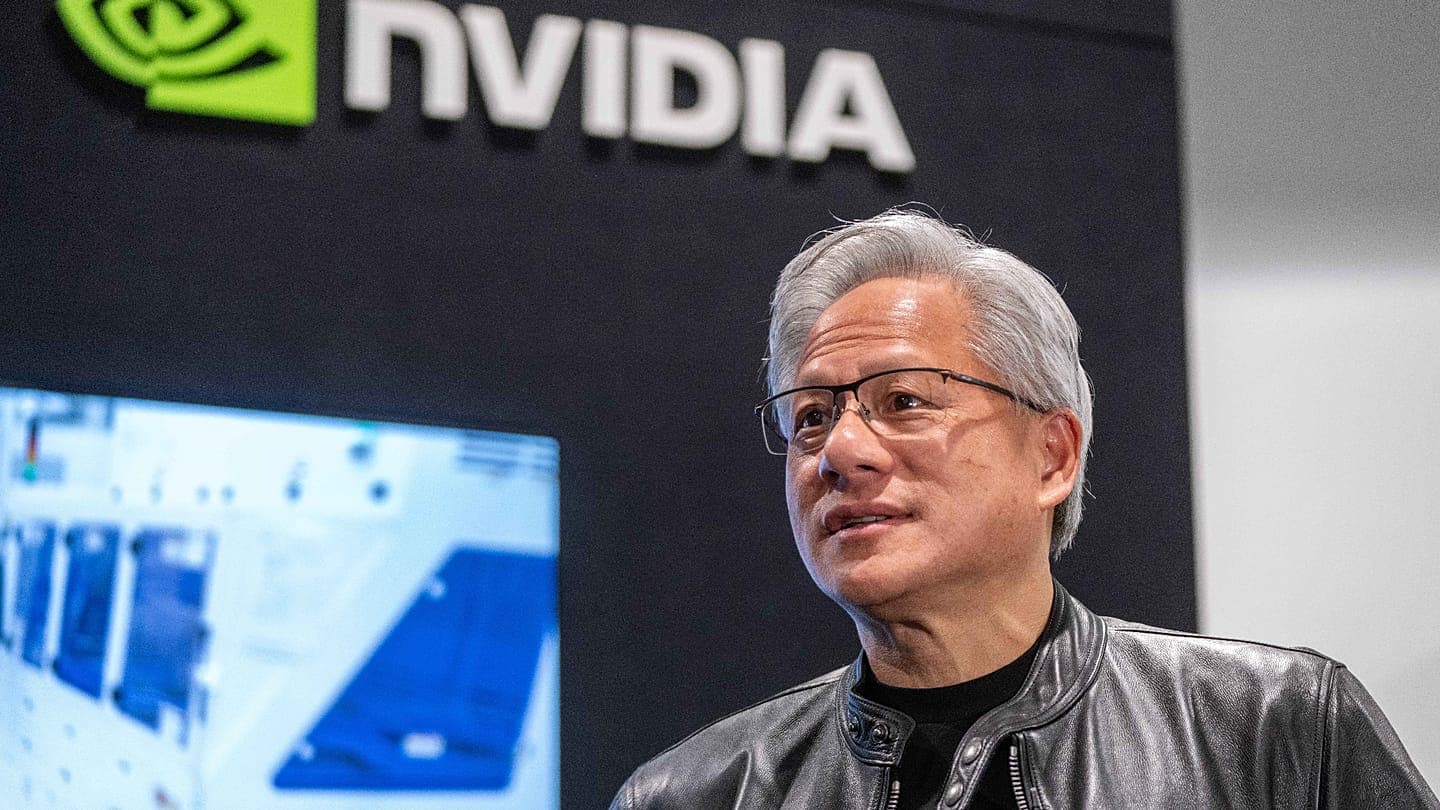
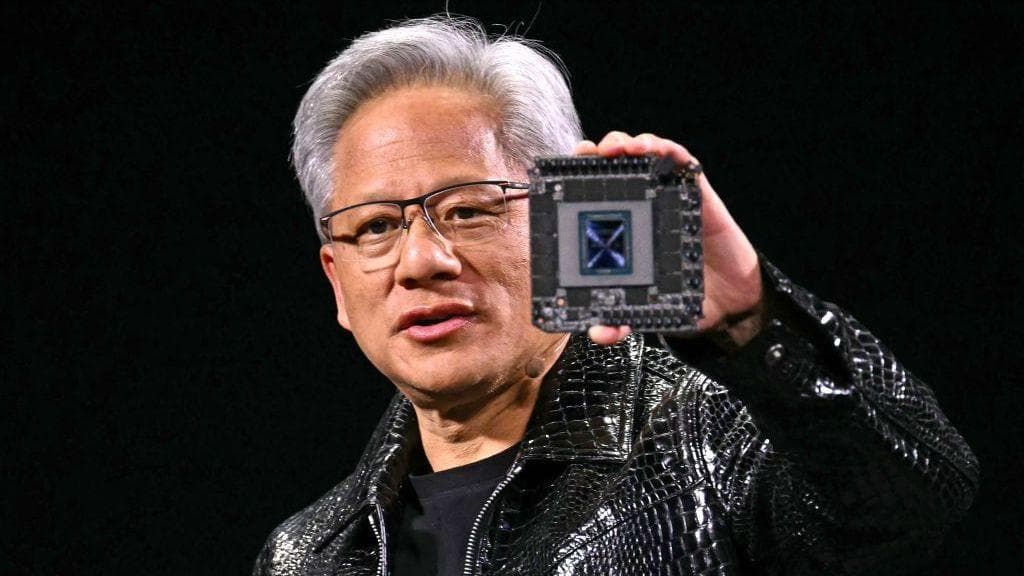
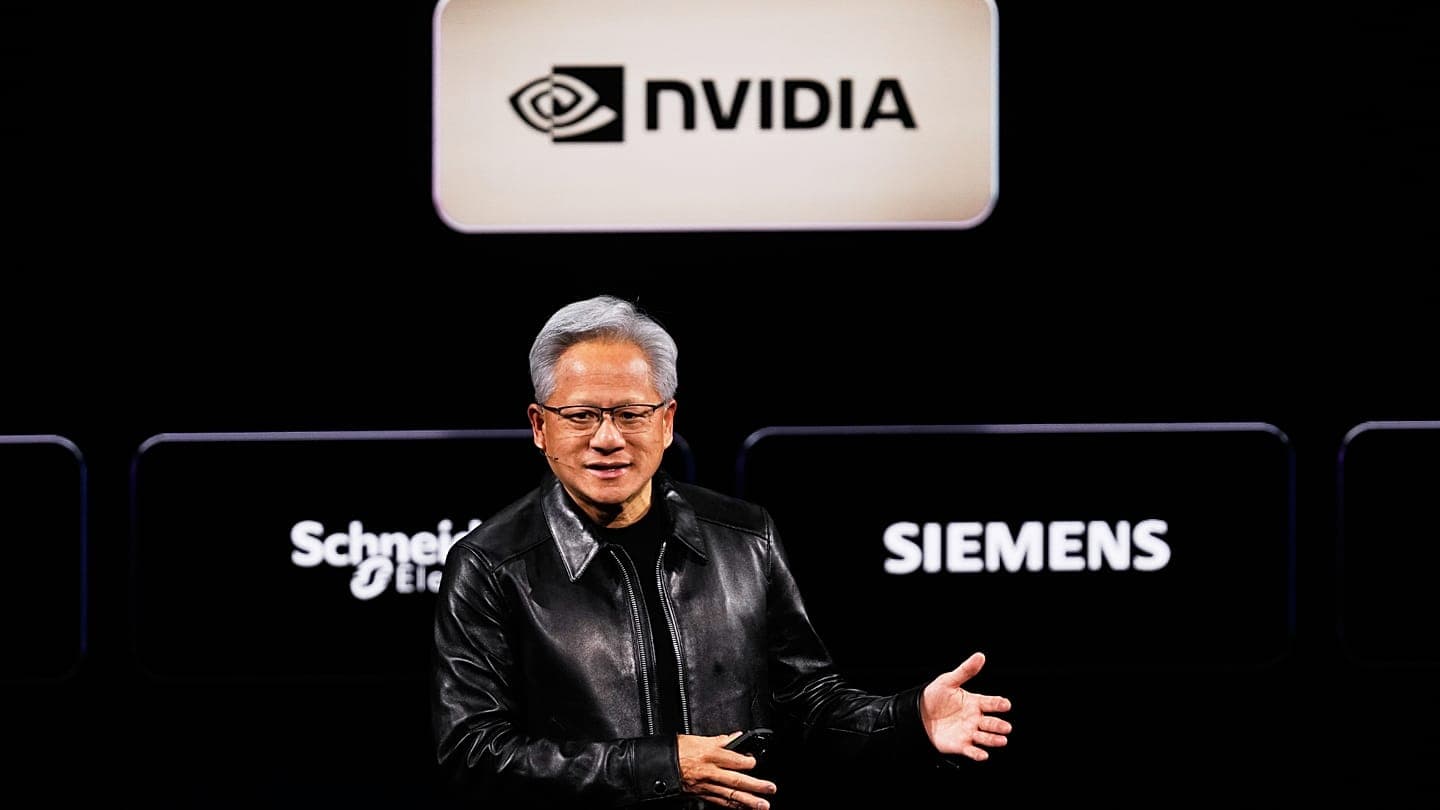
Jensen Huang resigned as chief executive officer of Nvidia on Thursday after the disclosure of information about a relationship with an alleged Chinese spy, who was an employee of the company. The resignation came as a sharp fall for the man who led the global artificial intelligence boom, and it shook a market already heavily dependent on a handful of AI-sector companies.
Expert Assessments: A Loss, but Not a Catastrophe
On a Web Summit panel in Lisbon moderated by Euronews, investor and founder of the financial publication The Kobeissi Letter Adam Kobeissi called Huang's departure 'a significant loss for the industry as a whole' and 'a critical mistake,' adding that more time should have been allotted to the investigation. At the same time, he emphasized that AI is 'the biggest revolution in history,' and Nvidia will remain at the forefront. James Galbraith, a professor at the University of Texas at Austin, noted that Nvidia is too important a company to cease to exist: large successful corporations, in his words, are built to outlive their founders, and if the company is as strong as its reputation suggests, the consequences of the transition period may prove short-lived.
Risks for the AI Market and Upcoming Events
Kobeissi warned that Nvidia's problems are unlikely to remain isolated: a significant part of the AI boom rests on a few companies, so 'it is hard to say' whether anything concerning Nvidia can be considered separately. This could affect the industry's next major event — in his expectation, Anthropic will hold a public stock offering, possibly as early as next week. He also noted that private debt markets as a source of capital are becoming 'exhausted,' and the next couple of quarters will be filled with uncertainty — from the outcome of midterm elections to policy changes and other obstacles. 'The idea that one can wait until uncertainty in the AI world dissipates is now rather doubtful,' he said.