The key facts
- Jensen Huang stepped down as Nvidia CEO following revelations of two extramarital affairs; US intelligence suspects one woman of spying for China, which Beijing denies
- Jensen Huang stepped down as head of Nvidia following reports of two extramarital affairs; US intelligence suspects one of the women of spying for China, which Beijing denies
- Colette Kress, the CFO, has been appointed interim CEO while the board searches for a permanent successor; Nvidia shares have fallen over 30% since the October 5 peak
- Economist James Galbraith suggested that Chinese technology could eventually undermine Nvidia's dominance, stating he would 'tentatively bet on China' in the AI race
- Economist James Galbraith suggested that Chinese technology could eventually undermine Nvidia's position and would 'tentatively bet on China' in the AI race
The final day of Web Summit was dominated by Jensen Huang's resignation
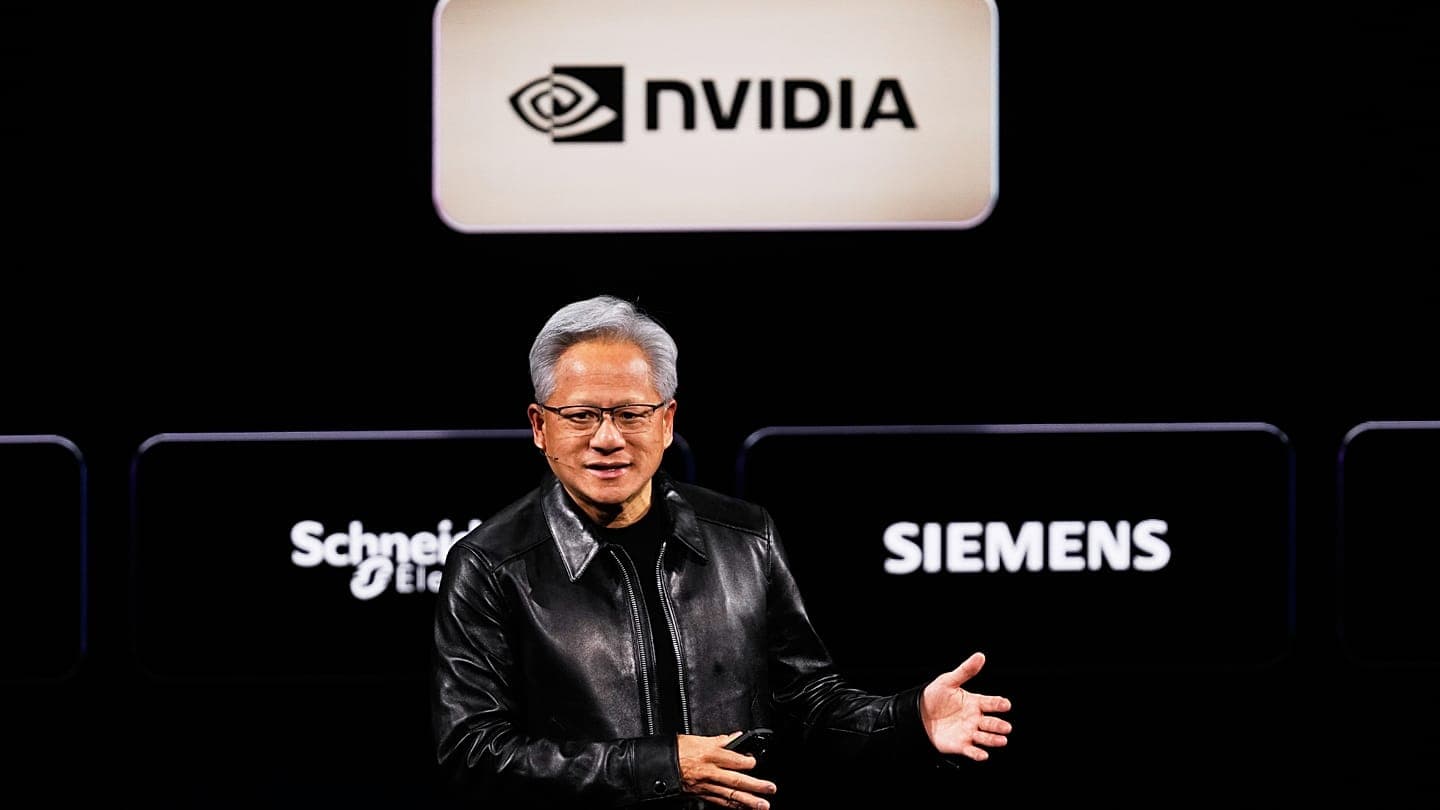
Jensen Huang's sudden departure as head of chipmaker Nvidia, the risk of an artificial intelligence bubble, and the growing US national debt took center stage on Thursday during the packed final day of Web Summit in Lisbon, one of Europe's largest technology conferences. This was reported by Euronews, whose moderator led the key discussion.
Reasons for the resignation and leadership change
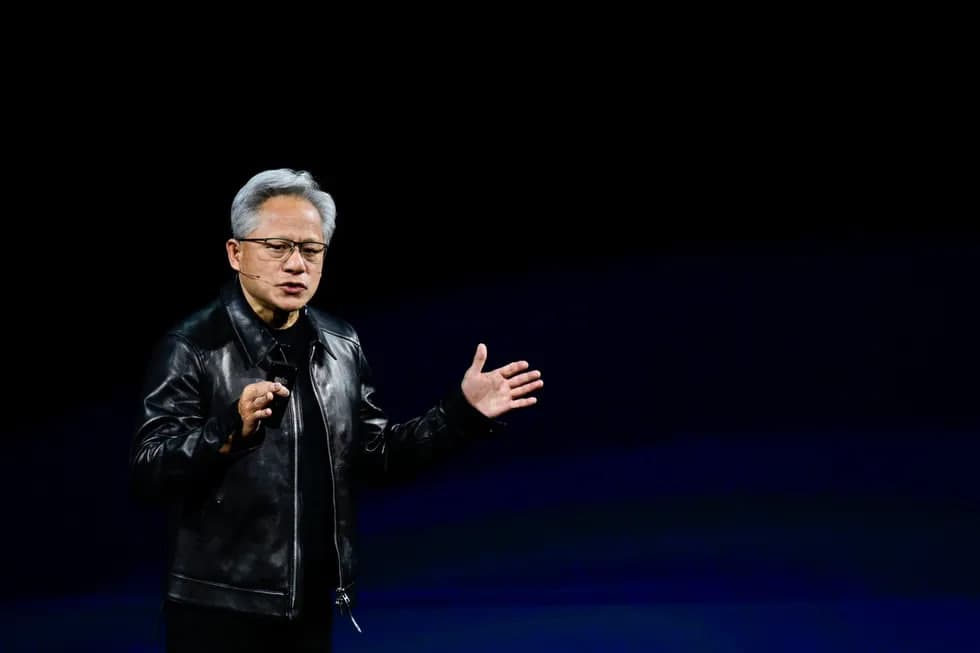
Huang stepped down on Thursday following revelations about two extramarital affairs. According to reports, US intelligence suspects one of the women of spying for China, allegations which Beijing rejects. Colette Kress, the Chief Financial Officer, has been appointed interim CEO while the board of directors seeks a permanent successor.
Market reaction
Nvidia shares fell by approximately 15% at the opening of trading on Thursday but later reduced their losses; at the time of writing, they were trading around $164, down just over 5% for the day. From the all-time high of $243 reached on Monday, October 5, the stock has lost more than 30% of its value.
Panelists' opinions
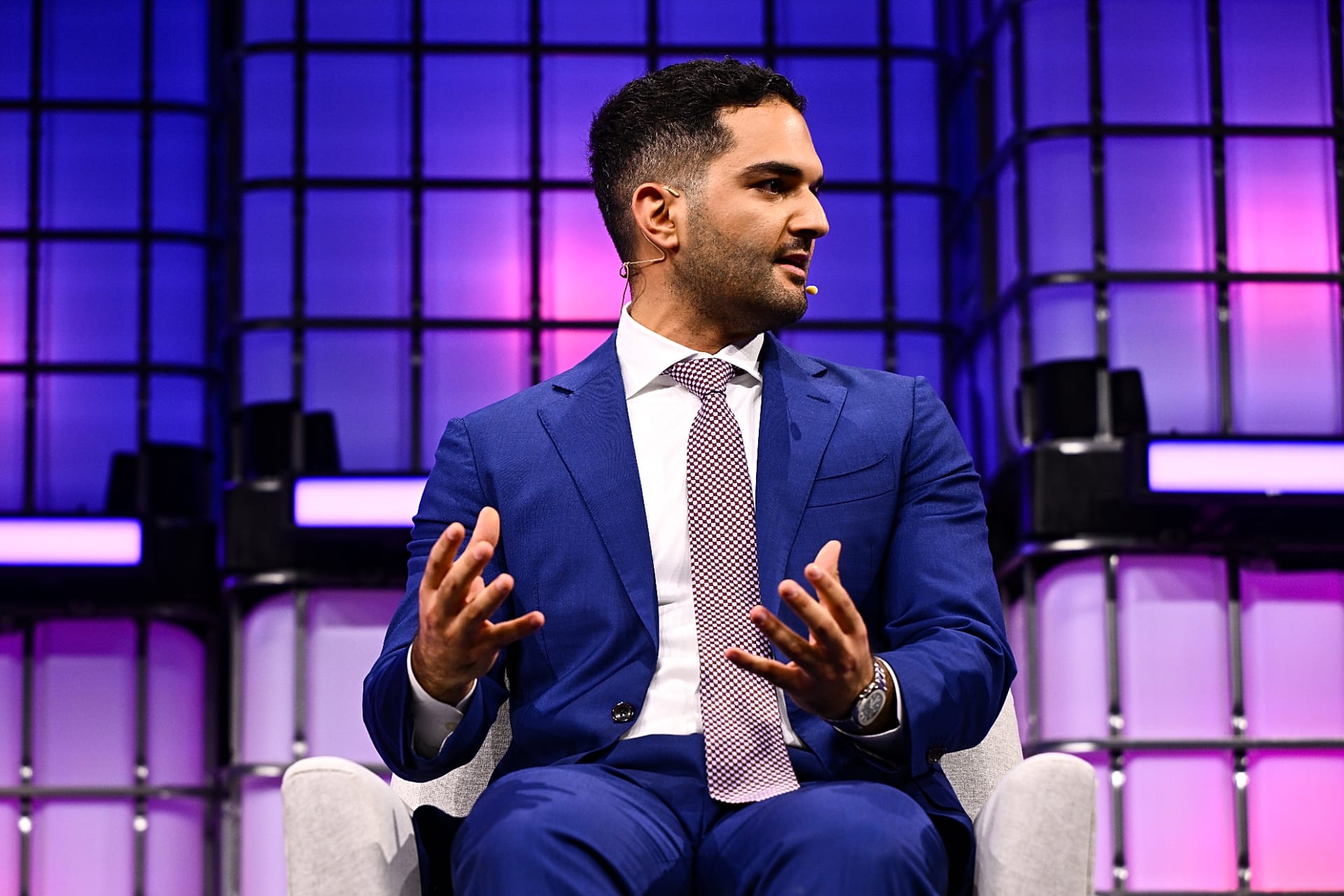
Adam Kobeissi, founder and editor-in-chief of the capital markets publication The Kobeissi Letter, believed Huang should not have resigned, stating that his departure 'would be a net negative for investors' over the next couple of years, although he remains generally optimistic about Nvidia. In his view, Huang's exit will not affect the upcoming IPO of Anthropic, the company behind the Claude models, scheduled for next week; the company expects a valuation of up to $1.4 trillion, and Nvidia is among the seven tech companies that have agreed to purchase its shares at the offering price.
The AI race and US national debt
James Galbraith, a professor at the University of Texas at Austin, suggested that Chinese technology could eventually undermine Nvidia's position, calling into question the hundreds of billions of dollars that Microsoft, Alphabet, Amazon, Meta, and other hyperscalers are investing in AI infrastructure. He described the global economy as a contest between two systems: the US attracts private capital quickly but makes decisions more slowly, whereas China can centralize research and implementation. According to him, he would 'tentatively bet on China' in the AI race and potentially on its rise to become the world's largest economy in the coming decades.
Warnings about debt
Beyond the topic of AI, panelists identified government debt markets as the primary source of concern and warned that they could trigger the next financial crisis. Kobeissi noted that one in every five dollars of US government spending goes toward paying interest on the debt; according to Treasury data, net interest expenses in the fiscal year ending in September totaled $1.1 trillion, or 19% of revenue. 'The US debt-to-GDP ratio is at levels seen during World War II, and there has been no technical recession since the COVID-19 pandemic,' he said, adding that the market signals that high rates will persist for a long time. 'On the current path, the US has a 100% chance of bankruptcy,' he warned, clarifying that there is no immediate 2008-style crisis, but trends over the next 10–20 years cause serious alarm, while he remains a 'huge bull' on the US. Galbraith recalled that during the pandemic, Trump and the Democrat-controlled House of Representatives agreed on market support, but such unity may not exist now: in the midterm elections held last week, Democrats secured 255 seats in the House compared to 169 for Republicans, although counting continues in several states. When asked for a forecast, he replied: 'The nature of financial crises is that we cannot predict them,' although he sees alarming signs.