The key facts
- Jensen Huang resigned as Nvidia CEO 33 years after founding the company; CFO Colette Kress is leading it on an interim basis
- Senator Tim Scott summoned Huang and Commerce Secretary Howard Lutnick to the Banking Committee, threatening a subpoena
- Three House committees demand a closed-door interview on December 1, with a response due by 8:00 p.m. Eastern Time on Friday
Nvidia Founder's Resignation
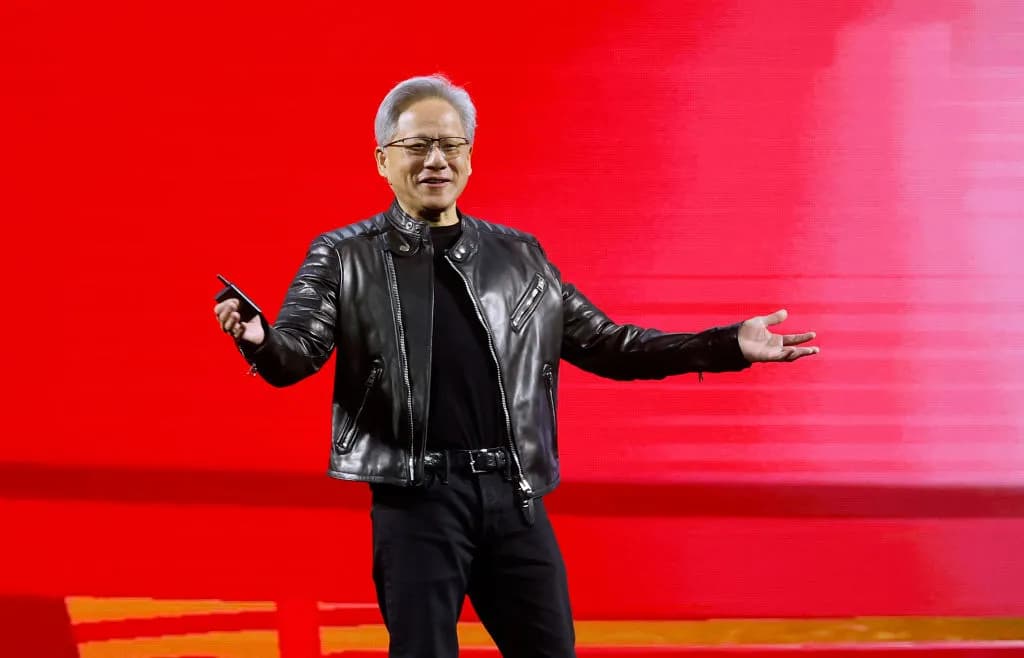
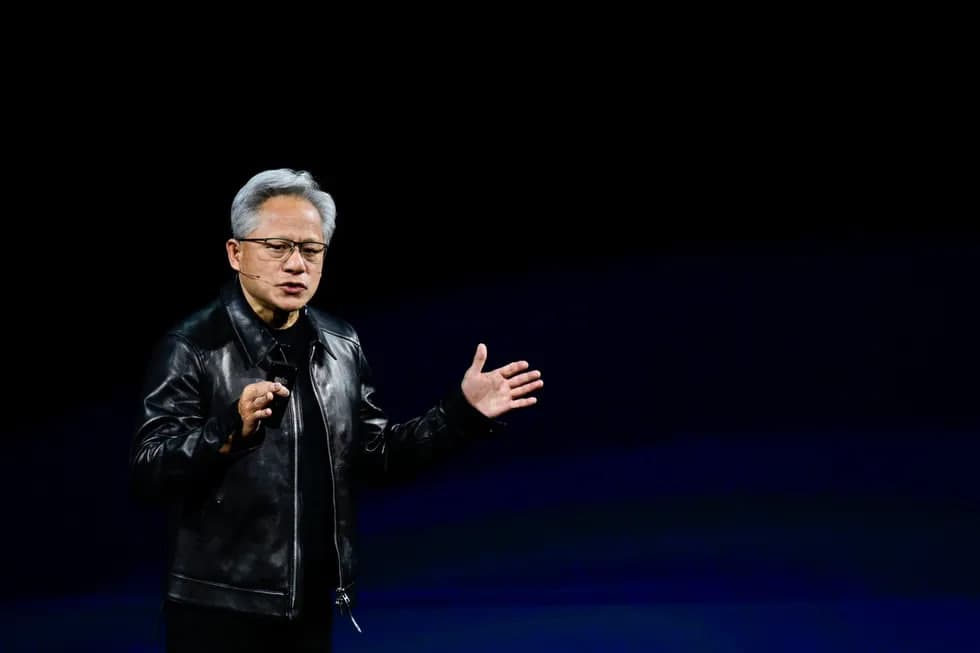
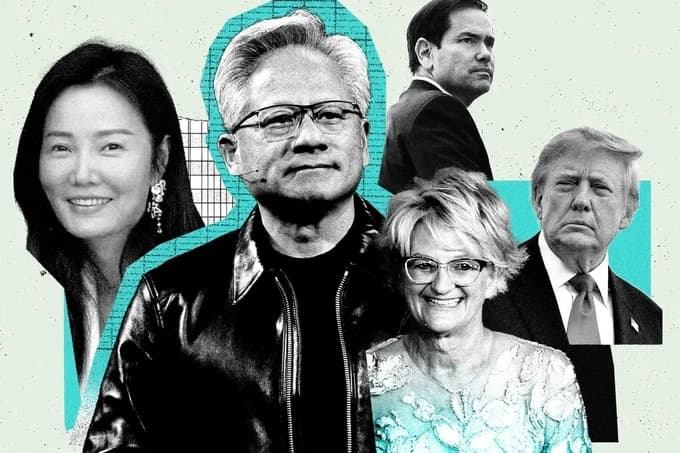
Jensen Huang stepped down as chief executive officer of Nvidia on Thursday, 33 years after founding the company. The trigger was publications about two of his extramarital affairs, including one with Alisa Huang (Huang Le), an employee of the Singapore data center Megaspeed, whom American intelligence had earlier identified, according to The New York Times, as a source of information transfers to Beijing. According to press reports, she was suspected of possibly smuggling AI chips into China and maintained a close relationship with the former head of Nvidia. CFO Colette Kress has taken over the CEO duties.
Congress Demands Testimony
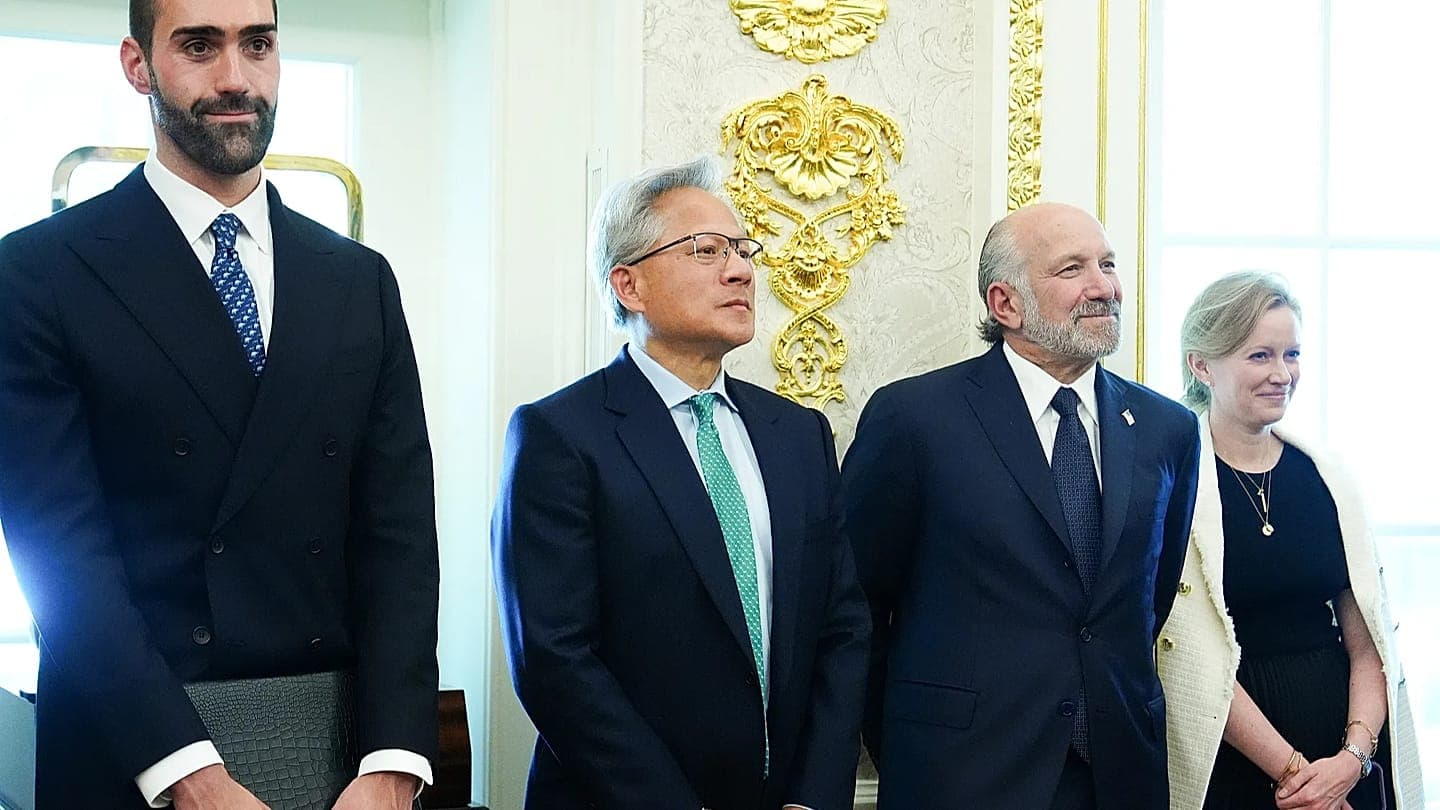
The scandal quickly moved into the political arena. Tim Scott, the Republican chairman of the Senate Banking Committee, said the recent publications 'raise serious concerns regarding national security and the protection of sensitive American technologies,' and summoned Huang and Commerce Secretary Howard Lutnick to testify, warning that if they declined to appear voluntarily, the committee was prepared to issue a subpoena. In parallel, the House committees on Foreign Affairs, Intelligence, and the China issue sent Huang a letter inviting him to a closed-door interview with a transcript on December 1, setting a response deadline of 8:00 p.m. Eastern Time on Friday and warning of a subpoena in case of refusal. Congress also wants to find out what the Trump administration knew about the situation.
Beijing's Reaction
China rejected the espionage accusations, calling them 'completely baseless.' Chinese Foreign Ministry spokesperson Mao Ning said on Thursday that the United States should 'stop inventing narratives about Chinese spies as a pretext for imposing technology restrictions,' adding that Beijing is ready to work with Washington to build 'constructive relations of strategic stability based on respect, fairness, and reciprocity.'