
The key facts
- MP Kamran Ghazanfari called for revising Iran's nuclear doctrine and said parliamentarians continue to push for a NPT withdrawal plan to be brought to a plenary session
- Former MP Heshmatollah Falahatpisheh believes that possessing a bomb does not by itself create nuclear deterrence, and that leaving the NPT does not serve the national interest
- The Assembly of Experts called for studying withdrawal from the NPT, while Iran's Foreign Ministry stated it remains committed to the treaty
Parliament debate: the doctrine in question
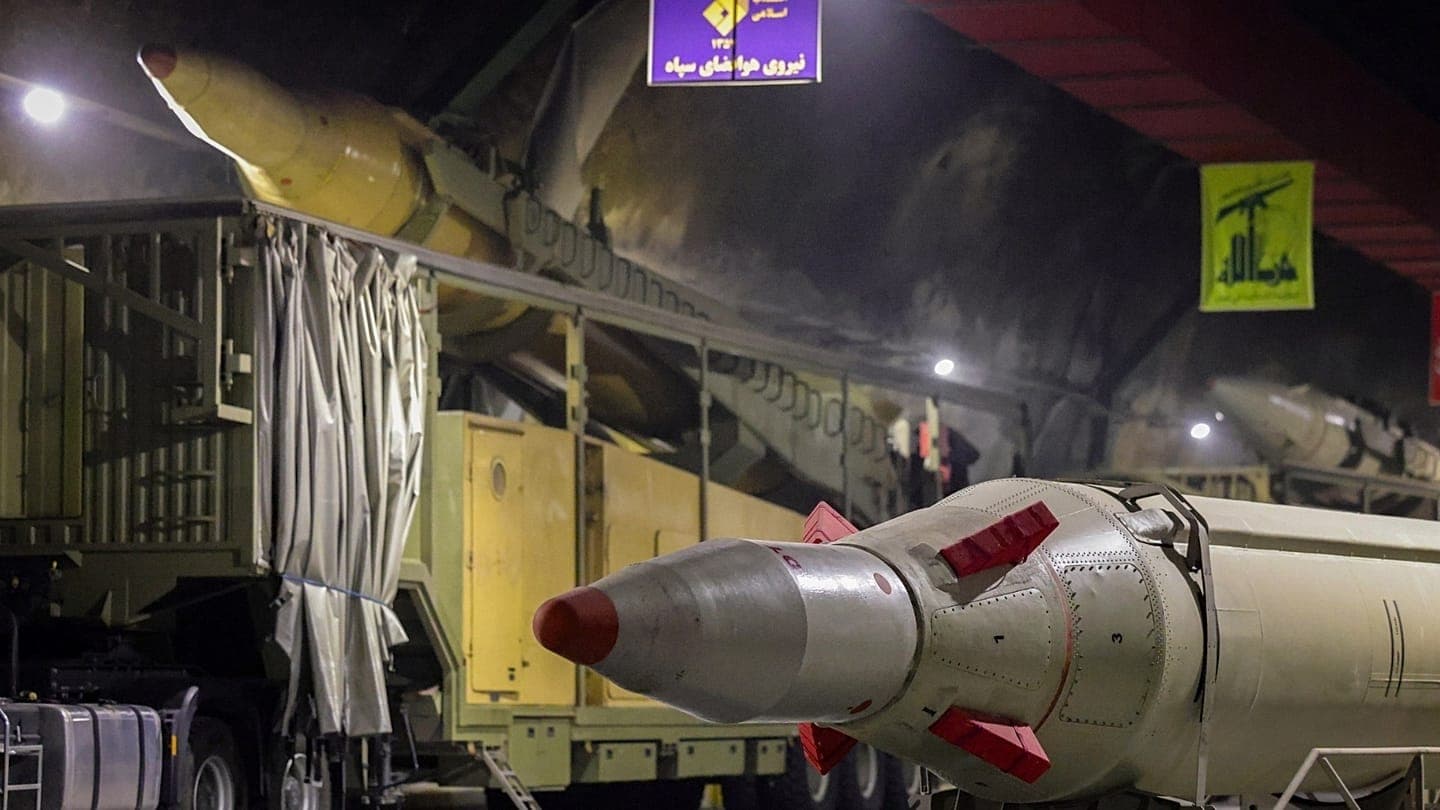
Iranian authorities are discussing a possible revision of the country's nuclear doctrine against the backdrop of the United States and Israel naming Iran's ability to develop nuclear weapons as the main goal of the war against the republic. Parliamentarian Kamran Ghazanfari told Euronews that building nuclear weapons for Iran is 'far more important' than neutralizing what he called 'American and Israeli propaganda against the Islamic Republic.' In his words, when the US and the 'Zionist regime' have repeatedly threatened to use nuclear weapons, Iran cannot remain indifferent, because the threat is directed against the entire people and the very existence of the country.
Two views on nuclear deterrence
Ghazanfari called on the country's leadership to revise the nuclear doctrine so that the adversary knows: an attempt at a nuclear strike on Iran will be met with a retaliatory strike. He pointed out that since World War II, nuclear powers have not used such weapons against each other precisely out of fear of retaliation, and he believes the Islamic Republic must create a similar deterrent force. He does not consider Iran's lack of nuclear submarines and bombers an obstacle: missiles, in his view, can also serve as a means of delivering warheads. He also believes that the words of the Secretary of the Supreme National Security Council, Mohsen Rezaei, that Iran 'has something,' refer not to conventional but to 'special weapons.'
Criticism: a bomb is not the same as deterrence
Former parliamentarian Heshmatollah Falahatpisheh objects: even a few nuclear warheads would not provide Iran with deterrence, since deterrence requires three components — possession of an atomic bomb, a balancing nuclear equilibrium, and the ability to deliver a final blow. He said he does not know whether the country has a bomb, but as far as he knows, Iran's nuclear program was peaceful, and its possible military aspects were closed under the JCPOA so that Iran's case would be removed from Chapter VII of the UN Charter. In his assessment, Iran's military strategy is conventional, and it was sufficiently effective; he does not believe Rezaei meant an atomic bomb.
Withdrawal from the NPT: positions diverge
Ghazanfari asserts that the change of doctrine has 'in practice already happened,' and that in parliament there are efforts to withdraw from the Treaty on the Non-Proliferation of Nuclear Weapons: last year part of the parliament's board blocked this step, but deputies continue to insist on bringing the plan to a plenary session, although attempts at resistance persist. Falahatpisheh, on the contrary, believes that withdrawal from the NPT lays the groundwork for future wars against Iran and is equivalent to hiding part of the nuclear program. According to him, the Supreme National Security Council did not agree to the deputies' bill on triple urgency of withdrawal from the treaty — otherwise it would already have been brought to an open session of parliament. Meanwhile, the Assembly of Experts on Thursday called for studying the question of withdrawal from the NPT, stating in its appeal that 'considering the question of withdrawal from the NPT, revising the country's defense doctrine, and creating the necessary deterrence have become an inevitable necessity and have turned into a public and national demand.' The official position of Iran's Foreign Ministry remains unchanged: the ministry emphasized that the republic remains committed to the Treaty on the Non-Proliferation of Nuclear Weapons.