The key facts
- José Pinhal died in 1993 at the age of 41 in almost complete obscurity; his recordings were found on two dusty cassettes in a former music agent's office
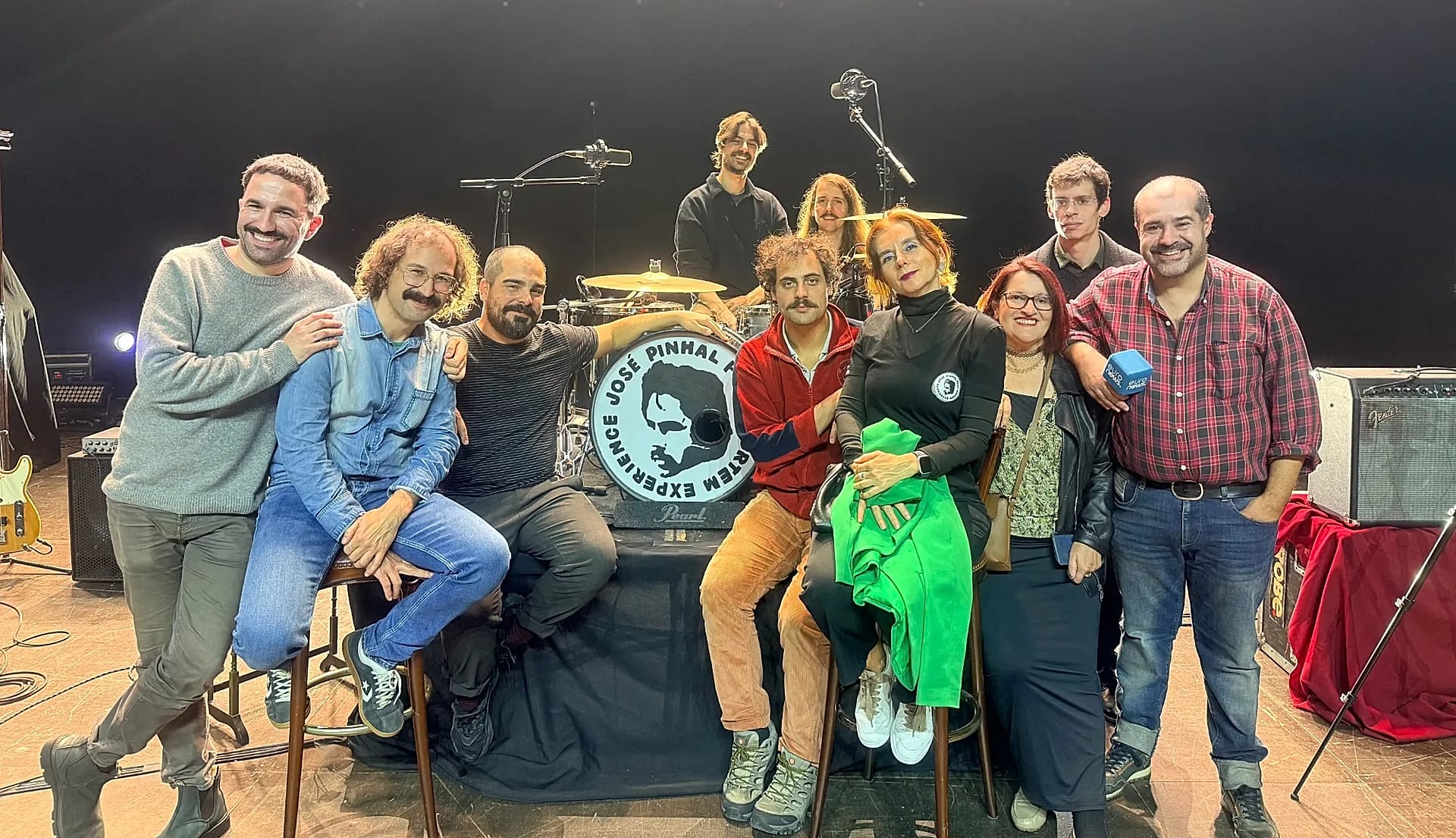
- The tribute band José Pinhal Post-Mortem Experience, created in 2016 as a one-night joke, ended its ten-year story with concerts at the coliseums of Porto and Lisbon
- The 2016 video garnered around 1.4 million views; the singer's daughter Marina Pinhal attended the farewell concert in the front row
The finale of a ten-year story
The band José Pinhal Post-Mortem Experience has brought its ten-year story to a close with farewell concerts at the coliseums of Porto and Lisbon; the final venue was the Coliseu dos Recreios in Lisbon — a place Pinhal himself dreamed of as a stage where he would one day sing. Euronews reports. The band began in 2016 as a joke: the musicians wanted to perform Pinhal's songs at a birthday party, expecting a single performance, but ended up playing for ten years at dozens of venues across the country.
From obscurity to a viral phenomenon
José Pinhal was born in Santa Cruz do Bispo (Matosinhos) and performed at dance halls and nightclubs in northern Portugal in the 1980s. He died in 1993 at the age of 41 in a road accident while returning from a performance — in almost complete obscurity. The fate of his legacy changed when the brother of photographer and collector of musical rarities Paulo Cunha Martins moved into an apartment that had previously housed a music agent's office and found two dusty cassettes there. At first the recordings were listened to within a small circle of friends, but after being published on YouTube the songs became a viral phenomenon: for example, «Tu És a Que Eu Quero (Tu Não Prendas o Cabelo)» was later used in an online betting company's advertisement. The mystery of the singer's identity was helped to unravel by his only daughter, Marina Pinhal, who left a comment under the 2016 video, which garnered around 1.4 million views.
Why his music found an audience
The tribute band's audience — described by Euronews as young, urban and educated — differs radically from the one that usually listens to this kind of music. Pinhal did not hide his strong northern accent and sometimes sang out of tune, but, according to the musicians, always with great dedication: «We sense enormous sincerity in this,» says Rui Fonseca of the band 800 Gondomar in the documentary «A Vida Dura Muito Pouco» by Dinis Leal Machado. At the same time, the outlet notes that it is difficult to call Pinhal an original author: most of the compositions are credited simply as «DR» («rights reserved»), and his «big hits» are versions of songs by Brazilian and Spanish performers of the time, such as Paco Escudero, Chiquitete and Cláudio Fontana.
Mission accomplished
Vocalist Bruno Martins (stage name Bruno de Seda) recreates Pinhal's signature look on stage — «nothing is more eighties than this»: a black shirt, a white suit, a gold chain. The band decided to end its performances because the members, who come from the alternative scene, want to pursue other projects: «The task of showing who José Pinhal was, and his work, is accomplished,» said Bruno de Seda. Marina Pinhal, who sat in the front row at the farewell concert, thanked the musicians, admitting that she was sad about the ending — «especially in this hall, where my father so dreamed of singing one day». The singer's legacy continues to be kept alive by fans who chant the slogan «José Pinhal, imortal!» at concerts.