The key facts
- The food industry is Europe's largest manufacturing sector: nearly 5 million employees and about €1.5 trillion in annual sales
- Willem Brandt (Kraft Heinz) called on policymakers to reduce market fragmentation and lift the cap in the unfair trading practices directive, which applies to companies with turnover up to €350 million
- 40% of European consumers are cutting sugar consumption; ketchup with no added salt or sugar showed 26% growth and entered the Brazilian market
Europe's Largest Manufacturing Sector
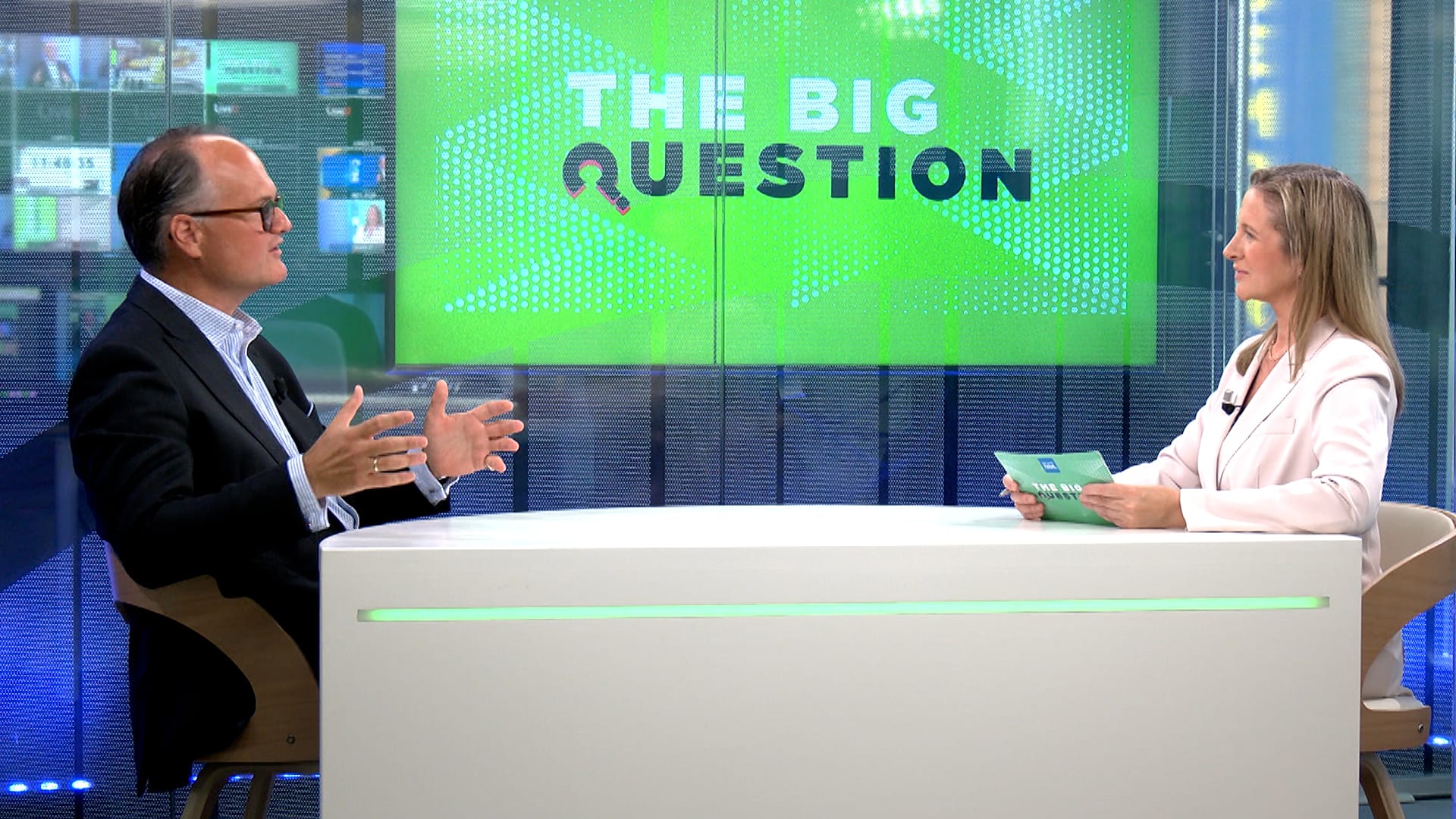
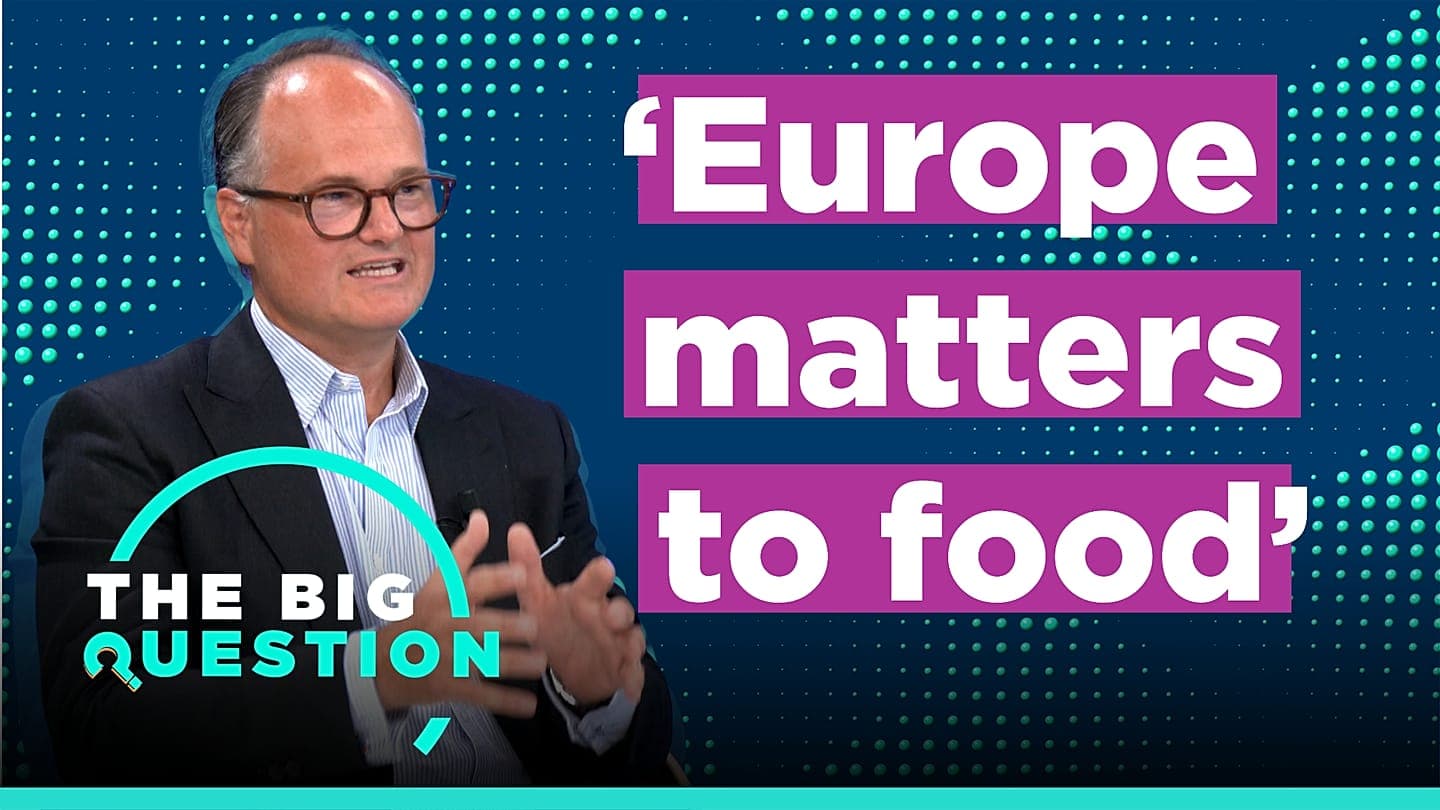
The food and beverage industry is Europe's largest manufacturing sector: it employs nearly 5 million people, and annual sales amount to about €1.5 trillion. This was discussed on The Big Question programme by Euronews, where host Angela Barnes talked with Willem Brandt, President of Kraft Heinz for Europe and Developed Markets in the Pacific region, about the sector's importance for the region's economy and security.
Food as a Matter of Security and Competitiveness
Brandt referenced the well-known saying that a revolution is separated by 'only three missed meals' — its authorship is not definitively established: versions attribute it to the American journalist Alfred Henry Lewis, and often, mistakenly, to Vladimir Lenin. According to him, European policymakers pay great attention to security and competitiveness, and food sits at the centre of both topics: the EU has built a strong value chain of 'farmers — industry — retail', and it needs to be preserved. To support the sector, he called on policymakers to reduce fragmentation within the bloc in order to ensure uniform high standards for all consumers, and also to lift the cap in the unfair trading practices directive. This directive protects small producers, such as farmers, from prohibited and grey practices — like cancelling orders of perishable products at the last moment or delaying payments — but applies only to companies with turnover below €350 million. Brandt believes fairness should extend to everyone regardless of size.
Trends: Less Sugar and Salt
According to Brandt, 40% of European consumers are trying to reduce their sugar consumption, and health is increasingly influencing preferences. One of the company's biggest hits is ketchup with no added salt or sugar: it showed 26% growth, with more than half of that growth coming from new customers who had never bought ketchup before. The product has already entered the Brazilian market, where, according to him, about 80% of buyers had not previously purchased ketchup. Europe, in his assessment, sets global trends, developing and testing new product categories before their wide launch.
150 Years of Ketchup and Control of the Entire Chain
The brand is marking 150 years of Heinz's iconic tomato ketchup. Brandt links its sustained demand to a balance between consistency of taste and adaptation: over the years, organic, sugar-free and flavoured versions have appeared, and, in his words, such brands 'still have phenomenal growth potential'. Against the backdrop of pressure on household budgets, consumers are becoming more price-sensitive, but are not willing to sacrifice quality. To control quality, the company, according to him, manages the entire chain: its own seed department works on tomatoes, long-term partnerships with farmers are in place, and the recipe and production processes remain trade secrets.