The key facts
- The informal European Council meeting is devoted to artificial intelligence and the situation around Ukraine
- Von der Leyen stressed the course toward 'industrial AI made in Europe'; Metsola highlighted the need for funding to scale up ideas
- Martin confirmed Europe's participation in peace talks and Ireland's readiness to monitor a ceasefire
A summit without formal decisions, but with two main themes
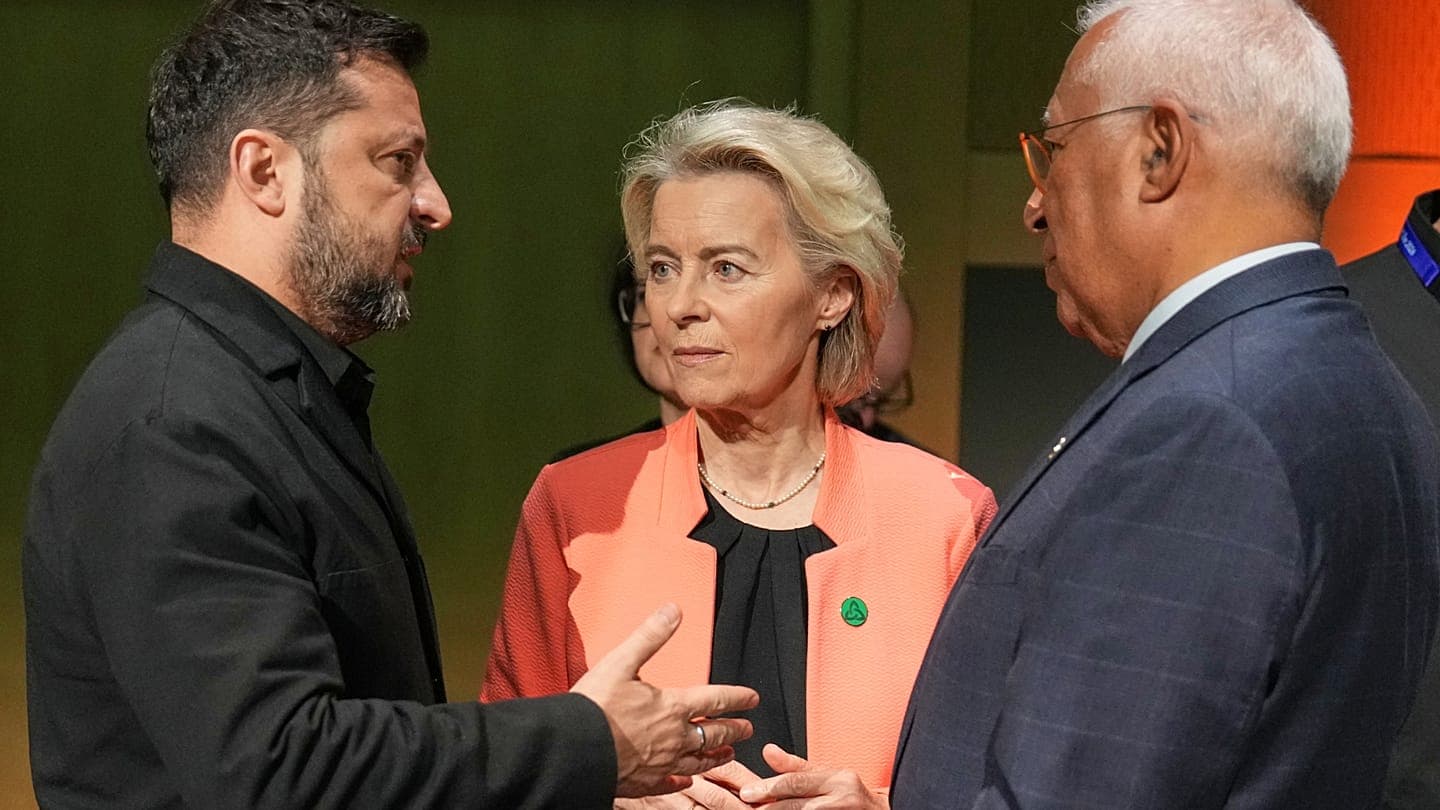
On Friday, the leaders of EU countries gathered for an informal European Council session. Two topics dominated the agenda: artificial intelligence and developments around Ukraine. Before the meeting began, the heads of EU institutions and governments spoke to journalists about what they expect from the discussions.
AI: from regulation to funding
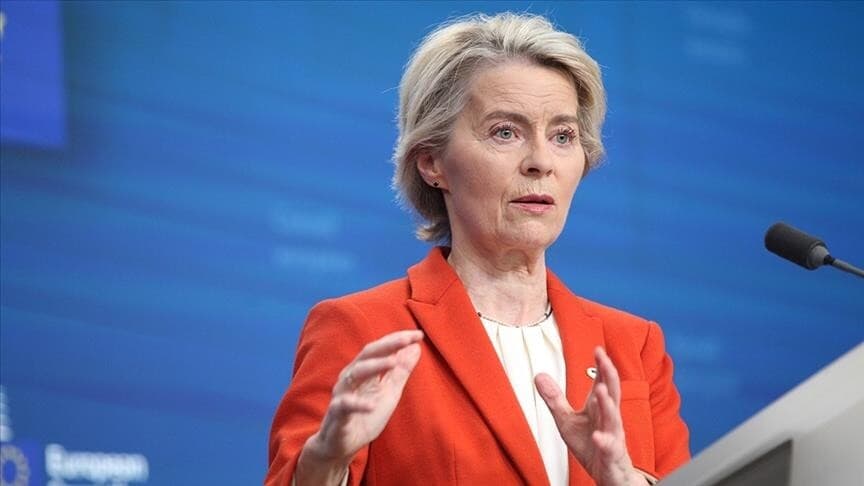
European Commission President Ursula von der Leyen said the discussion would touch on both the opportunities and the risks of AI, and stressed the importance of industrial AI. According to her, the bloc has 'amazing' knowledge and industry expertise, as well as 'very high-quality data' that should be used for industrial AI made in Europe. Irish Prime Minister Micheal Martin noted that participants will discuss the balance between regulation and innovation, technological sovereignty, and how Europe will engage with global AI development, as well as the impact of technology on employment and the associated risks. European Parliament President Roberta Metsola pushed back against the widespread claim that Europe has lost the AI race: 'I hate the mantra that Europe has supposedly lost the AI race. We need confidence and strength to prove otherwise.' She called the bloc's talent pool 'world-class' and urged unlocking capital so that ideas can grow and scale in Europe.
Ukraine: participation in talks and the question of peace
Von der Leyen also welcomed the planned prisoner exchange between Russia and Ukraine. According to her, it 'goes without saying' that Europe is included in the peace talks — both to protect its own interests and to support Ukraine. Martin noted that since Europe's participation in the talks has become evident, the discussion will now focus on the content and nature of the peace that the EU wants to secure. He confirmed Ireland's readiness to take part in monitoring a ceasefire, emphasizing that this concerns a peacekeeping dimension, not a combat component: Irish peacekeepers could monitor compliance with the ceasefire, in particular along the line of cessation of hostilities.