The key facts
- The first EU summit on AI was held in Dublin on Friday, 13 November 2026
- Estonia and Finland called for EU mechanisms to respond to serious AI incidents
- The summit took place against the backdrop of the resignation of Nvidia CEO Jensen Huang over an espionage scandal
First EU AI Summit: Searching for Balance Between Innovation and Risks
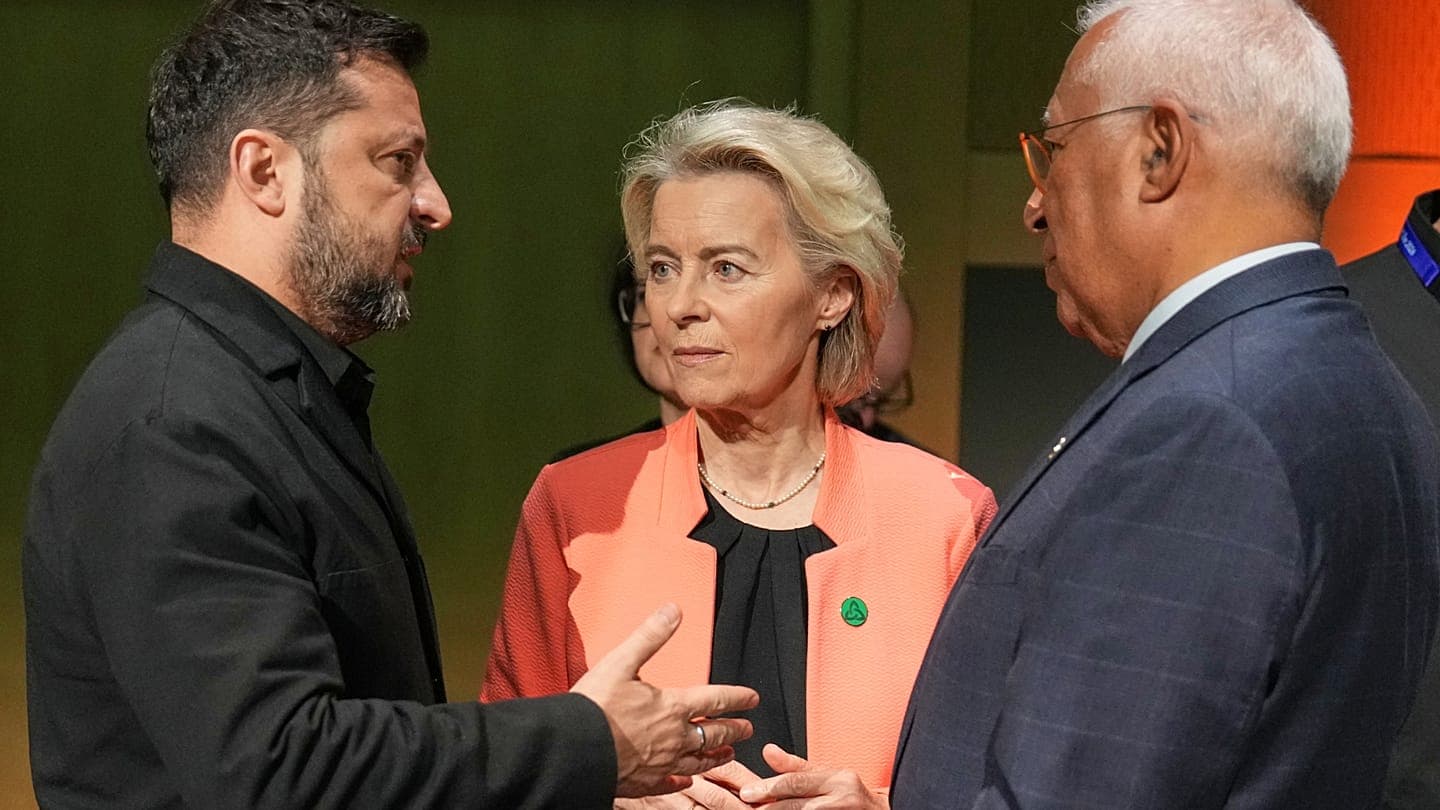
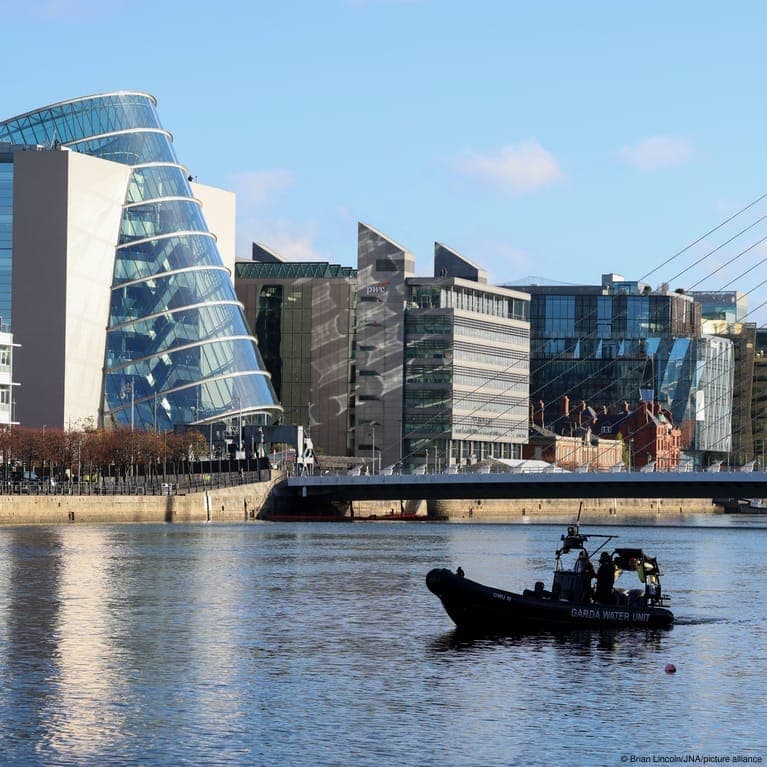
Leaders of European Union countries gathered in Dublin on Friday for the first-ever summit dedicated to artificial intelligence. The venue was the Dublin Convention Centre, which also hosted the European Political Community summit this same week. The reason for a separate discussion at the level of heads of state and government, as European Council President António Costa explained in a letter to EU leaders, was the rapid pace of AI development and its transformative impact on economies and societies.
Technological Sovereignty and a Catching-Up Position
The central theme was the search for balance between developing the European AI industry and protecting citizens from the risks of the technology. The talks are part of the bloc's efforts to reduce dependence on foreign technologies and services: leaders must answer how to unlock AI's potential and narrow the gap with the US and China. Irish Prime Minister Micheál Martin said even before the discussion began that the leaders would discuss 'the balance between regulation and innovation,' technological sovereignty, and Europe's engagement with global AI development. European Parliament President Roberta Metsola said she was tired of hearing that the EU had 'in one way or another lost the AI race': according to her, Europe has first-class talent and a strong technology ecosystem.
Diverging Positions: Mistral Against Slowing Down, Estonia and Finland for Response Mechanisms
The positions of summit participants differ markedly. The French company Mistral, represented by its CEO Arthur Mensch, spoke out against calls to slow down AI development and urged Europe to move forward — in contrast to calls from American executives, including Sam Altman of OpenAI and Dario Amodei of Anthropic, to slow development. Estonia and Finland, in a joint letter on the eve of the summit, called to 'create mechanisms at EU level to respond to serious AI incidents,' emphasizing the need to 'develop advanced AI and govern it responsibly.' Estonian Prime Minister Kristen Michal pointed to past excessive dependence on suppliers from outside the EU in fossil fuels and critical minerals: 'We must not repeat the same mistake. We must invest in new technologies.' EU foreign policy chief Kaja Kallas warned about 'the dark side of AI,' pointing to AI-powered drones on the battlefield in Ukraine.
The Shadow of the Nvidia Scandal
The summit took place against the backdrop of a scandal surrounding Nvidia — a key player in the AI industry and a major investor in the EU. The company's CEO Jensen Huang was forced to resign after it emerged that he had been in a relationship with a woman accused of spying for China, and that she was his direct subordinate. Although the US is more exposed to AI-sector risk, technology stocks fluctuated on Friday as investors assessed Huang's resignation. According to an EU spokesperson, Nvidia was not officially on the leaders' agenda, but that will not stop anyone from 'raising the topic'; the leaders will likely want to discuss the possible security implications of the scandal.
What Comes Next
Following the discussion, the leaders are expected to determine where Europe stands in the AI movement and how to protect rights, jobs, and security. James Green, a researcher at the Centre for European Reform, proposed that the EU adopt a 'strategy across all fronts': improving business conditions for AI development in Europe, strengthening levers of access to the best models, promoting AI adoption for economic benefit, and using regulation and international partnerships to reduce harm. No concrete decisions from the informal summit are cited in the sources.