The key facts
- The ARISE program will fund climate adaptation projects in five countries and one regional initiative
- Each of the five countries will receive $30 million, while the regional initiative for Mozambique and Malawi will receive $40 million
- 40% of the program's financing will go to the private sector with the participation of six multilateral development banks
First participants of the ARISE program
The Climate Investment Funds (CIF) announced the first five countries and one regional initiative selected for the ARISE program, whose task is to finance climate change adaptation and resilience-building projects in countries vulnerable to climate risks. The announcement was made on Thursday at an event in the 'blue zone' of the COP31 summit in Antalya, Turkey, where strengthening climate resilience, adaptation finance and attracting public and private investment were discussed.
Financing volumes and demand for the program
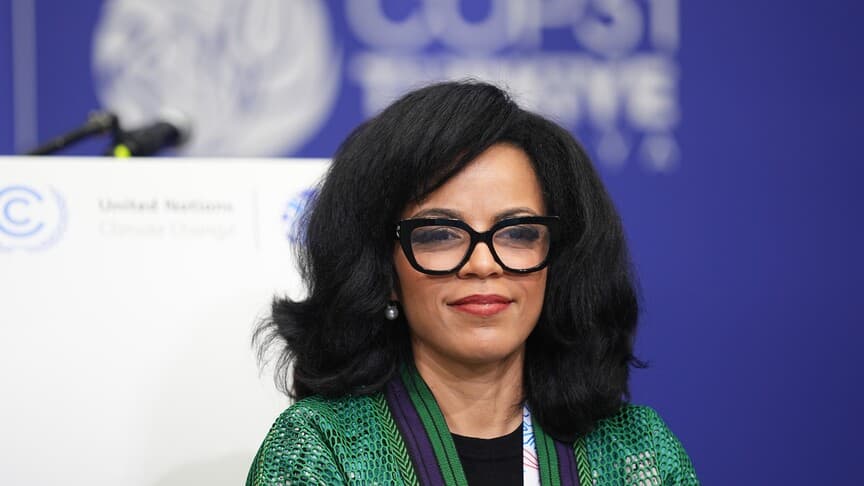
CIF Director-General Tariye Gbadegesin said that climate change is increasingly affecting lives, livelihoods and economic prospects around the world, requiring greater investment in adaptation. According to her, 40% of the program's financing will be directed to the private sector, and investments will be implemented in partnership with six multilateral development banks. She emphasized the high demand for the program: 70 countries submitted applications, and only the 25 best applications represent a portfolio of projects worth $700 million ready for urgent investment.
Who will receive the funds and for what
The first phase of the program, funded by contributions from Germany, Ireland and Spain, will go to Bangladesh, Haiti, Kyrgyzstan, Morocco and Sierra Leone, as well as a regional initiative covering Mozambique and Malawi. Each of the five countries expects $30 million, and the regional initiative $40 million. In Bangladesh, investments will focus on strengthening coastal infrastructure and climate-friendly agriculture; in Haiti, coastal protection and mangrove restoration were named priorities. Kyrgyzstan will receive support to increase the climate resilience of the water and agricultural sectors. In Morocco, the funds will go toward water security, desalination using renewable energy and wastewater reuse; in Sierra Leone, toward coastal protection and restoration of mangrove ecosystems. The regional initiative for Mozambique and Malawi aims to protect economically significant areas from floods, droughts and cyclones while attracting private investment.