The key facts
- Leaders of Côte d'Ivoire, Seychelles, Gabon, Zimbabwe, Guinea-Bissau, Rwanda and Mali spoke at COP31 in Antalya calling for climate finance commitments to be fulfilled
- Zimbabwe recalled the goal of mobilizing at least $300 billion per year; Rwanda estimated the implementation of its plan at $12 billion
- National plans: Côte d'Ivoire — minus 33% emissions by 2035, Zimbabwe — minus 40% per capita, Rwanda — minus 53%
Overall message: promises must turn into resources
At the UN climate conference COP31 taking place in Antalya, representatives of African states on Thursday called on developed countries to fulfill their climate financing commitments, ensure fairer access to funds, and turn global promises into concrete action. Their common thesis: vulnerable countries cannot alone bear the growing costs of the consequences of climate change, to which they have contributed almost nothing.
What the vice-presidents of Côte d'Ivoire, Seychelles and Gabon said
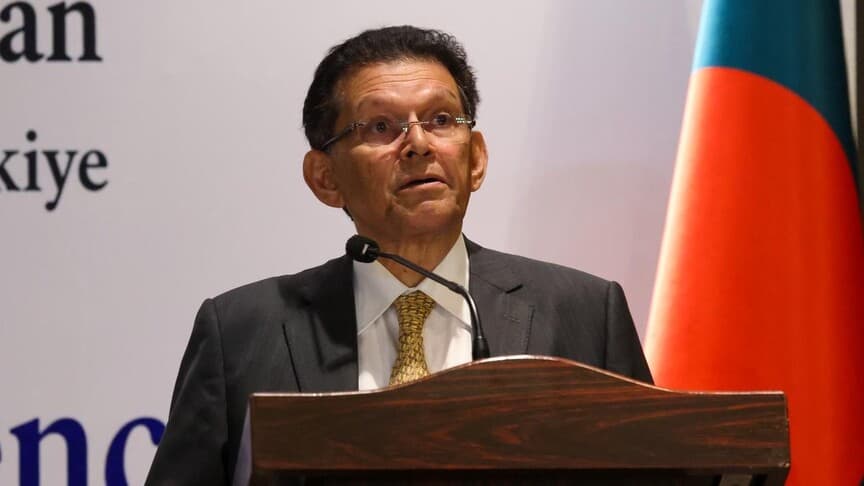
Vice-President of Côte d'Ivoire Tiémoko Meyliet Koné stated that international commitments will yield results only if translated into concrete action and investment. According to him, the unpredictability of seasons threatens agriculture and family incomes: “When seasons become uncertain, harvests are at risk, incomes disappear, and entire families see their future under threat.” He presented the country's national climate plan with a goal of reducing emissions by 33% by 2035 relative to a projected baseline scenario without measures. Vice-President of Seychelles Alix Sebastien Pillay called climate disasters a disproportionate burden on island states and referred to a recent tropical storm that caused damage worth millions of dollars, urging that commitments be turned into resources. Vice-President of Gabon Hugues Alexandre Barro Chambrier noted that, eleven years after the adoption of the Paris Agreement, global climate efforts remain insufficient, demanded fair recognition of the contribution of the Congo Basin and simplified access to concessional financing, and also announced the launch, together with the Republic of the Congo, of a UN-supported decade of reforestation.
Zimbabwe, Guinea-Bissau, Rwanda and Mali: concrete figures and demands
Vice-President of Zimbabwe Constantino Chiwenga stated that the commitment to mobilize at least $300 billion per year must turn into transparent financial flows led by developed countries, and that climate financing must be “new and additional, predictable and sufficient.” He named the goal of the country's third national plan — a 40% reduction in per-capita emissions by 2035 — and emphasized that African countries must determine their own development and energy paths, rather than being limited to supplying raw materials. Prime Minister of Guinea-Bissau Ilídio Vieira Té ranked his country among the most vulnerable with a negligible contribution to global emissions and stated that the climate crisis threatens development and national sovereignty. Prime Minister of Rwanda Justin Nsengiyumva reported that implementing the third national plan, with a goal of reducing emissions by 53% by 2035, requires $12 billion in investment, and called on investors to evaluate projects in developing countries “on their merits, not on their location.” He also advocated universal ratification of the Kigali Amendment to the Montreal Protocol, whose full implementation, according to him, could prevent up to 0.5 degrees Celsius of warming by 2100, and recalled that Rwanda will chair the Group of 77 and China in 2027. Prime Minister of Mali Abdoulaye Maïga called on historically large emitter countries to recognize their responsibility for the crisis and support vulnerable states, and also emphasized the restoration of degraded soils and rivers and the expansion of solar energy.
What lies behind these speeches
The speeches show that the African agenda at COP31 is built around two lines: the demand for the fulfillment and increase of financial support — from the annual target of $300 billion to concessional financing and the loss and damage fund — and the defense of the right of African countries to development and industry, including the processing of critical minerals within Zimbabwe itself. At the same time, the countries used the rostrum to present their own climate plans with targets for 2035, outlining the contribution they are ready to make themselves. How developed countries responded to these demands and what decisions the conference made is not reported in the cited speeches.