The key facts
- The 'Coalition of the Willing' summit will take place on Thursday at the Federal Chancellery in Berlin; more than 20 heads of state and government are expected
- Merz named two goals of the meeting: funding Ukraine's defense for 2027 and a unified position for the peace talks
- According to the German government, Berlin's total assistance to Kyiv has reached almost €103.5 billion
Summit in Berlin: Participants and Agenda
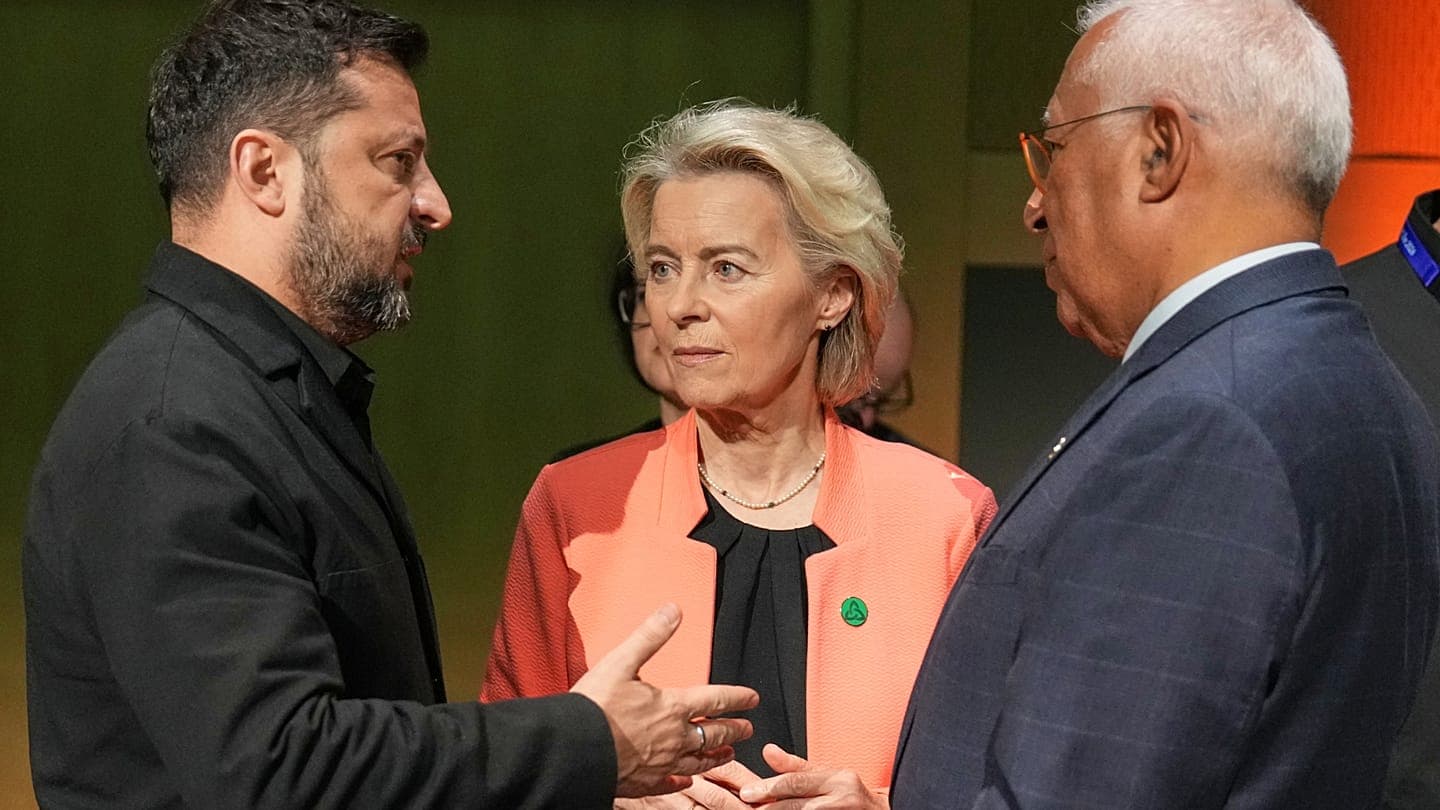
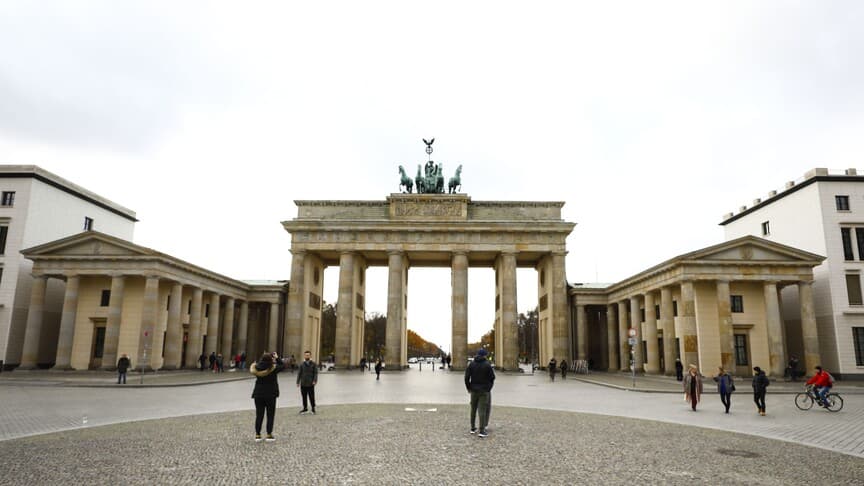
German Chancellor Friedrich Merz will host a 'Coalition of the Willing' summit in Berlin next week together with French President Emmanuel Macron and British Prime Minister Andy Burnham, his chancellery announced. The meeting, titled 'United for Peace in Ukraine and European Security,' will take place on Thursday at the Federal Chancellery. More than 20 heads of state and government of the coalition are expected, along with senior officials.
Goals of the Meeting and Berlin's Position
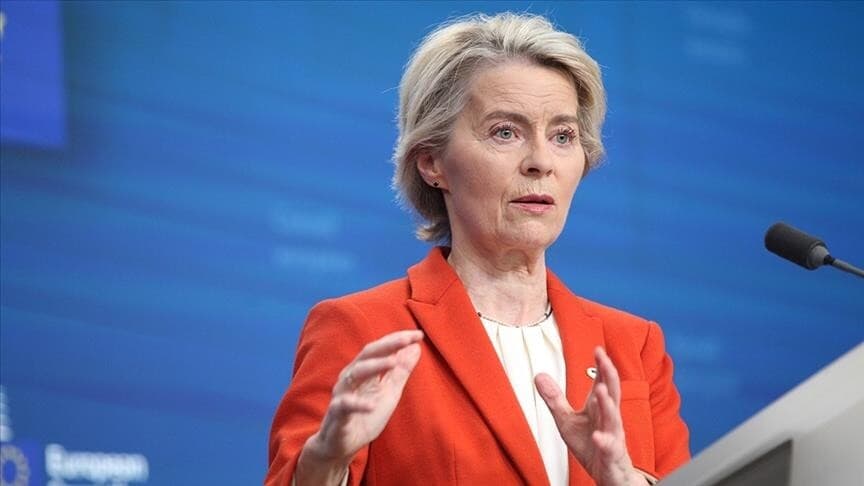
Deputy government spokesman Sebastian Hille said the talks will focus on coordinating diplomatic efforts, security guarantees for Ukraine, and continued assistance to Kyiv. 'Germany, as Ukraine's biggest supporter, is shouldering its responsibility. Our support serves German and European interests, because the outcome of this war will determine Europe's security for a long time to come,' he said, adding that the coalition's common goal remains a just and lasting peace for Ukraine. Speaking in Dublin after an informal EU summit, Merz outlined two main tasks for the Berlin meeting: 'First, funding Ukraine's defense for the coming year, for 2027; second, an updated unified position on the upcoming peace talks.'
The Scale of Germany's Assistance
The 'Coalition of the Willing' brings together countries that have committed to providing Ukraine with sustained support outside NATO's formal decision-making process. According to the German government, since the start of the Russo-Ukrainian war in 2022, Berlin has provided or reserved more than €45.7 billion ($50.5 billion) in civilian assistance — including support for Ukrainians living in Germany — and around €57.8 billion ($63.9 billion) in military support, which includes both aid already delivered and commitments for future years. In total, this amounts to almost €103.5 billion ($114.5 billion), making Germany the largest single donor of military and financial assistance to Ukraine.