The key facts
- Iraq has signed contracts for air defense systems; the first batches are expected soon, with supplier countries not named
- The purchases are part of a three-stage air defense development strategy
- Military personnel are already heading to manufacturer countries for training; live-fire exercises are scheduled for next week
Contracts signed, deliveries on the way
Iraq has signed contracts to acquire modern air defense systems, and the first batches of equipment are expected in the near future. This was announced by the commander of the country's air defense forces, Lieutenant General Muhannad Ghaleb Al-Asadi, in an interview with the media arm of Iraq's Ministry of Defense. The purchases are part of a three-stage air defense development strategy that includes detection and interception of aerial threats. According to the general, many contracts have already been funded, and before making purchase decisions, technical delegations inspected and tested several modern systems. He did not disclose the names of the systems or the supplier countries, noting only that some of them have 'proven highly effective in the ongoing conflict in the region.' Military personnel are already heading to the manufacturer countries for training.
Context: the coalition's departure and the growing drone threat
The purchases are meant to close long-standing gaps in Iraq's ability to monitor and defend its airspace after the US-led international coalition against ISIS ended its mission at the end of September, withdrawing troops and equipment, including air defense assets. The escalation of regional conflicts since the start of the Iran war in February has underscored the growing threat of missiles and drones: relatively cheap unmanned aircraft are increasingly testing the resilience of modern defense systems. Al-Asadi acknowledged that even the most advanced systems have limitations: countries that have invested billions of dollars in air defense have faced breaches by cheap drones. 'There is no air defense system in the world that could protect airspace 100%,' he said, adding that defense is more costly and takes more time than an attack.
Exercises and limitations
Separately, the commander said that the Air Defense Command has received permission to hold tactical live-fire exercises next week: they will include interception of aircraft violating Iraq's airspace and the use of available artillery against one-way attack drones. He stressed that the purchase of military equipment does not mean its immediate deployment — infrastructure, training and operational preparation take time. According to him, unauthorized entry of aircraft into airspace is a violation, except in cases provided for by agreements or authorized exercises.
The situation in Kurdistan
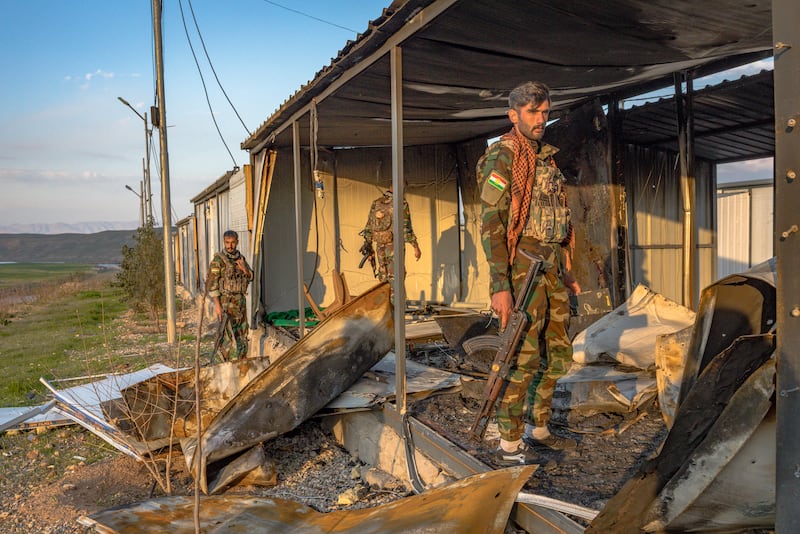
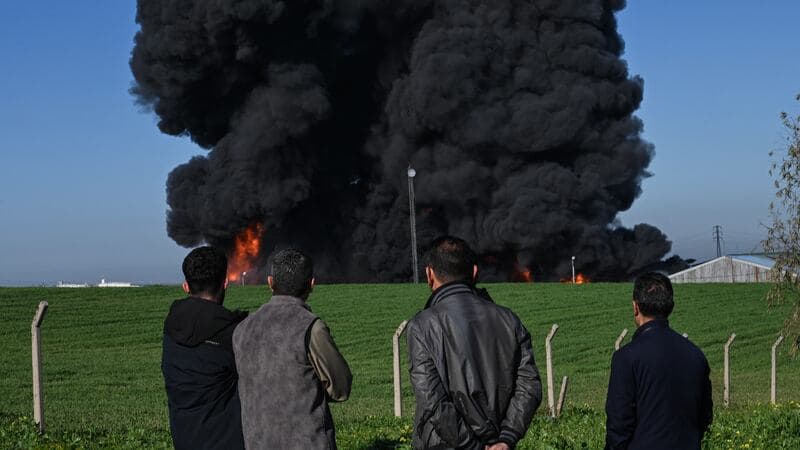
Against the backdrop of these statements, the situation in the north of the country remains tense: the government of the semi-autonomous Kurdistan Region has appealed to Baghdad and international partners to supply air defense and counter-drone systems following large-scale attacks this year. On Sunday, an attack on the Khor Mor gas field caused a fire and forced the suspension of gas supplies to several power plants, reducing electricity supply in areas controlled by the Kurdistan Regional Government.