The key facts
- Yuri Miroshnichenko died on 10 November at the age of 89; he was buried on 11 November at the Dombrabad cemetery
- He was born in 1937 in Samarkand, worked at Tashgiprogor and headed the TMM-ARH studio
- It was he who, in the 1960s, approved the first mosaic panel by the Zharsky brothers on a nine-storey building, opening the way for Tashkent's mosaics
Death and remembrance
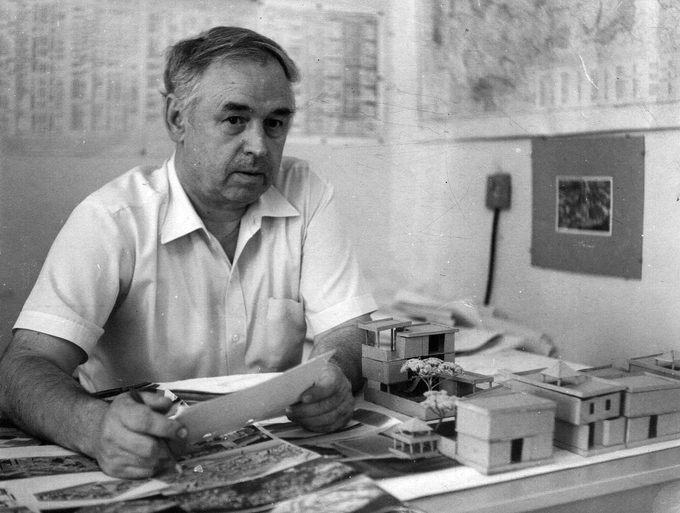
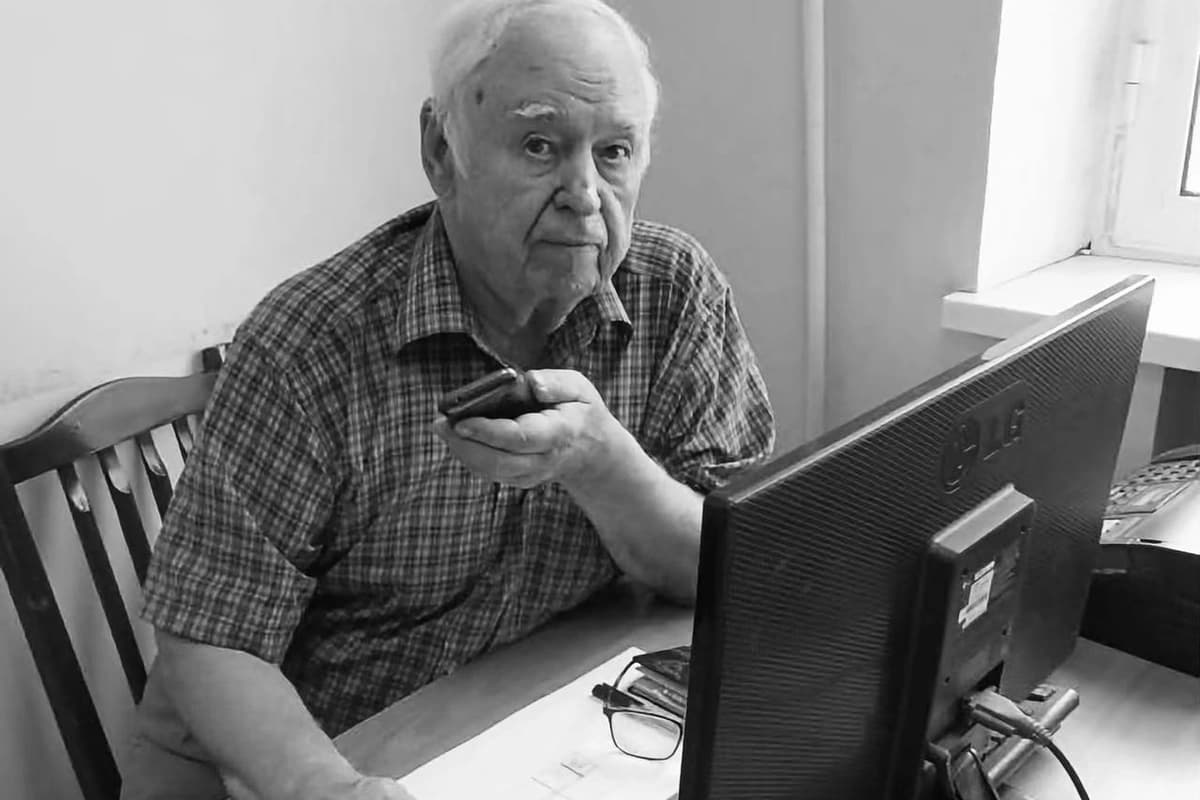
The architect Yuri Georgievich Miroshnichenko, who took part in the reconstruction of Tashkent after the 1966 earthquake and in shaping the appearance of the capital, died on 10 November at the age of 89. On 11 November he was given a farewell ceremony and buried at the Dombrabad cemetery. This was reported by Gazeta.uz, which published a piece dedicated to the architect based on a large, previously unpublished interview that the architecture researcher Rushena Seminogova conducted with him two years ago while working on his archive.
The architect's path
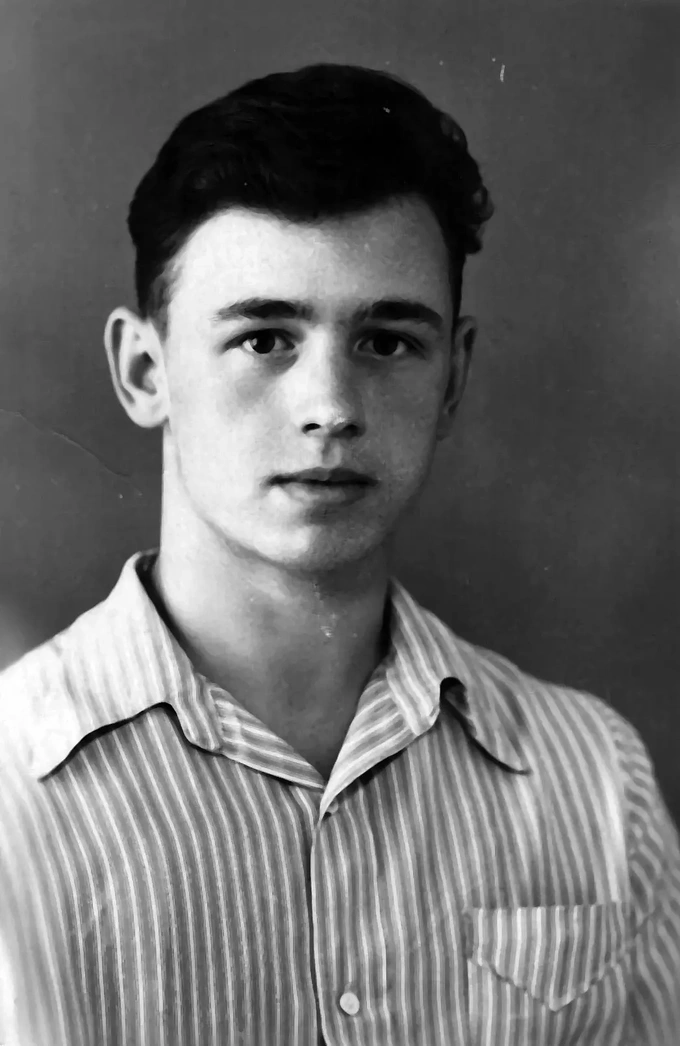
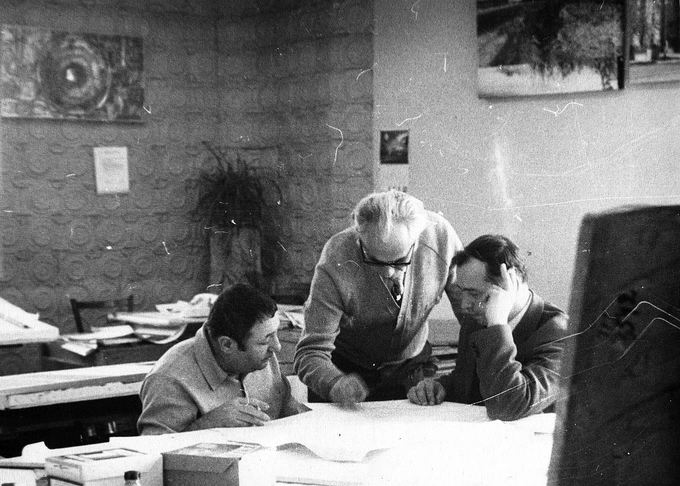
Miroshnichenko was born on 17 July 1937 in Samarkand and studied at the Tashkent Polytechnic Institute, in the architecture department of the civil engineering faculty. After graduating in September 1960, he was assigned to the third workshop of Tashgiprogor, where his first project was the Chilanzar shopping centre. He later worked at the Uzshaharsozlik institute and at GlavAPU, and the final stage of his career was his own design studio, TMM-ARH. Among his completed projects he named the Meridian hotel in Termez, developments on Bogdan Khmelnitsky and Afrosiab streets, and the architectural and sculptural complex dedicated to the twice Hero of the Soviet Union — the cosmonaut Vladimir Dzhanibekov.
The decision that changed the face of the city
One of Miroshnichenko's decisions, according to Gazeta.uz, became a turning point in the history of Tashkent's mosaics. After the 1966 earthquake, the artists Pyotr, Nikolai and Alexander Zharsky proposed decorating the facades of new multi-storey buildings with mosaic panels, but this required approval from the architectural authorities. Pyotr Zharsky turned to Miroshnichenko, who was then chief architect of the Tashgiprogor design institute. According to the architect himself, he initially wanted to refuse, but the artist managed to convince him, and the project was approved. Subsequently, mosaic panels began to appear on the end walls of residential buildings, in the lobbies of public buildings, at metro stations and on fountains, and today they are perceived as part of Tashkent's recognizable appearance, studied by researchers and of interest to architects and tourists from around the world.
The archive, the book and memoirs
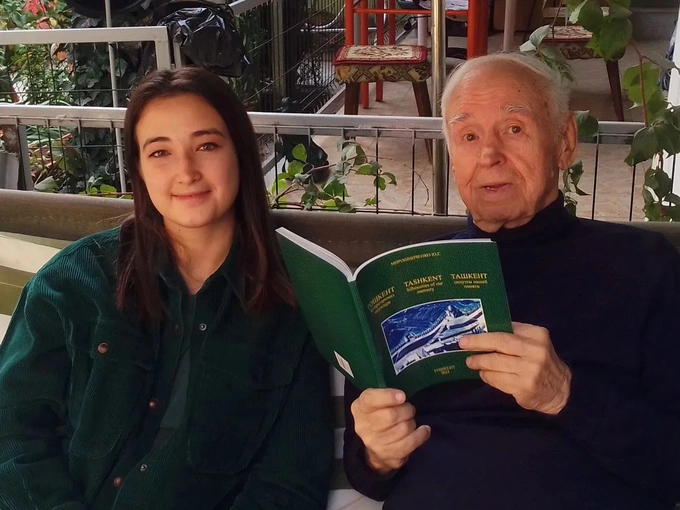
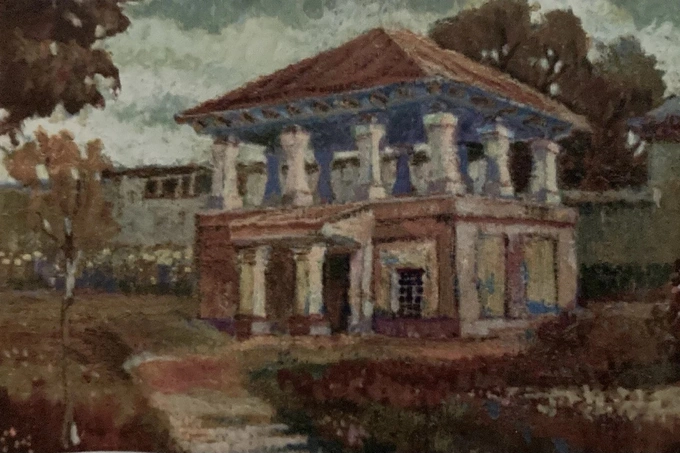
In 2025, with the participation of Maya Pershina, daughter of the engineer Viktor Pershin — a close friend and colleague of the architect, who edited and digitized the book — Miroshnichenko's autobiography 'A Kaleidoscope of Memory' was published. The architectural historian Boris Chukhovich noted on his Facebook that this book is not a study of his personal contribution to architecture and not a means of self-justification, but a collection of individual stories recreating the life of an architect of mosaics: his childhood, student years, projects and meetings with friends. In his memoirs, Miroshnichenko also spoke about searching for traces of old Tashkent: during one of these walks with his wife in the area of the Samarkand Gates, they accidentally came across a summer workshop — a shiypon — designed and built by the writer Abdulla Qodiriy himself and remaining in the possession of his family.